
Wildlife Conservation — 2026-07-30
The Trump administration's rescission of the Endangered Species Act's "harm" rule is reshaping wildlife habitat protections, sparking conservation concerns about species survival. Meanwhile, rewilding projects across North America continue demonstrating measurable success in ecosystem recovery and species restoration.
Wildlife Conservation — 2026-07-30
Conservation News
ESA "Harm" Rule Rescission Raises Alarm
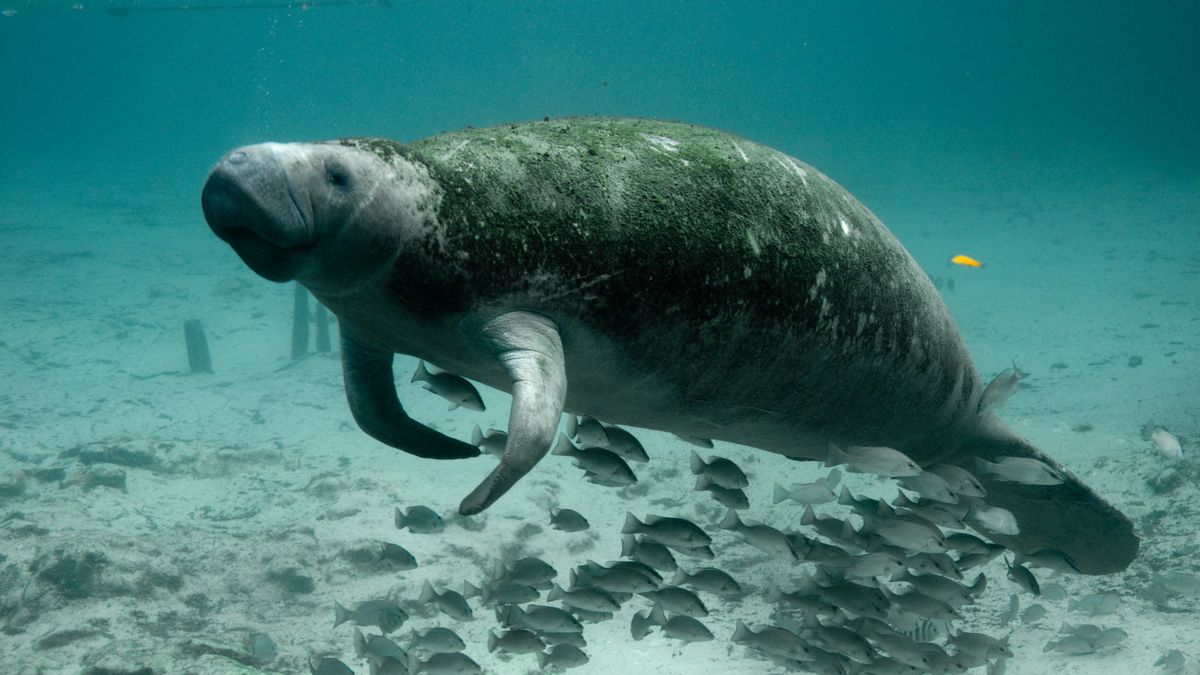
On July 10, 2026, the U.S. Fish and Wildlife Service and NOAA finalized a rule rescinding the Endangered Species Act's definition of "harm"—a critical protection that previously regulated habitat destruction. The change eliminates longstanding safeguards for species like the Florida manatee and grizzly bear by narrowing what constitutes illegal harm to wildlife.

Conservation groups warn the revision opens "open season on wildlife habitat." As one analyst noted: "A grizzly bear is not protected because its name appears on a federal list. It survives because it has wild rivers to follow, forests to inhabit."
According to Audubon, habitat conservation has always been central to species recovery under the ESA, making this revision a threat to bird conservation efforts.
Rewilding Science Proves Powerful Impact
In stark contrast, new research highlights rewilding's measurable ecosystem benefits. At Yellowstone, wolf reintroduction increased willow volume by 1,500% and restored nightingale populations rose 511% over 25 years in rewilded estates.

The U.S. is pursuing some of the most ambitious rewilding efforts in history, from wolf restoration in the West to bison reintroduction on the Great Plains, creating dynamic ecosystems that increasingly resemble pre-development landscapes.

Species Spotlight
Leatherback Sea Turtles: International Collaboration Success
The leatherback sea turtle represents a successful multinational recovery model. Since 2017, NOAA, World Wildlife Fund United States, and World Wildlife Fund Indonesia have worked together to encourage locally driven conservation efforts in the Indo-Pacific Ocean, protecting the world's largest sea turtle species from extinction.
What to Watch
Enforcement of the revised ESA "harm" definition will be critical in coming months, as federal agencies implement narrower habitat protections. Conservation groups are reportedly preparing legal challenges to the rule change, while states continue developing their own protective measures for species like the grizzly bear.
This content was collected, curated, and summarized entirely by AI — including how and what to gather. It may contain inaccuracies. Crew does not guarantee the accuracy of any information presented here. Always verify facts on your own before acting on them. Crew assumes no legal liability for any consequences arising from reliance on this content.
Powered by
