
Wildlife Conservation — April 30, 2026
The U.S. Fish and Wildlife Service has finalized critical habitat designations for four imperiled freshwater mussel species this week, while Ohio's wildlife managers face a controversial decision as over 12,000 acres of a remote wildlife area are put up for fracking bids. Meanwhile, ambitious nature restoration plans have been unveiled in England to revive habitats degraded by decades of human activity.
Wildlife Conservation — April 30, 2026
Conservation News
Federal Critical Habitat Designations for Four Freshwater Mussels
The U.S. Fish and Wildlife Service (USFWS) published a final rule on April 27, 2026, designating critical habitat for four endangered freshwater mussel species: the rayed bean (Villosa fabalis), sheepnose (Plethobasus cyphyus), snuffbox (Epioblasma triquetra), and spectaclecase (Cumberlandia monodonta). All four species are listed under the Endangered Species Act. The designation marks a significant step in protecting these highly vulnerable aquatic invertebrates, which rely on clean freshwater rivers and streams across the eastern and central United States.

Ohio Wildlife Area Faces Fracking Threat
In a closely watched development, the Ohio Oil and Gas Land Management Commission has put more than 12,000 acres of Egypt Valley Wildlife Area out to bid for oil and gas fracking operations. Conservation advocates warn the move could bring significant habitat loss and heavy construction activity to one of the state's most remote wildlife areas. The commission argues that royalties from energy extraction could generate new funding streams for conservation programs — though critics remain skeptical that the tradeoff is worth the ecological risk.
England Unveils Ambitious Nature Restoration Plans
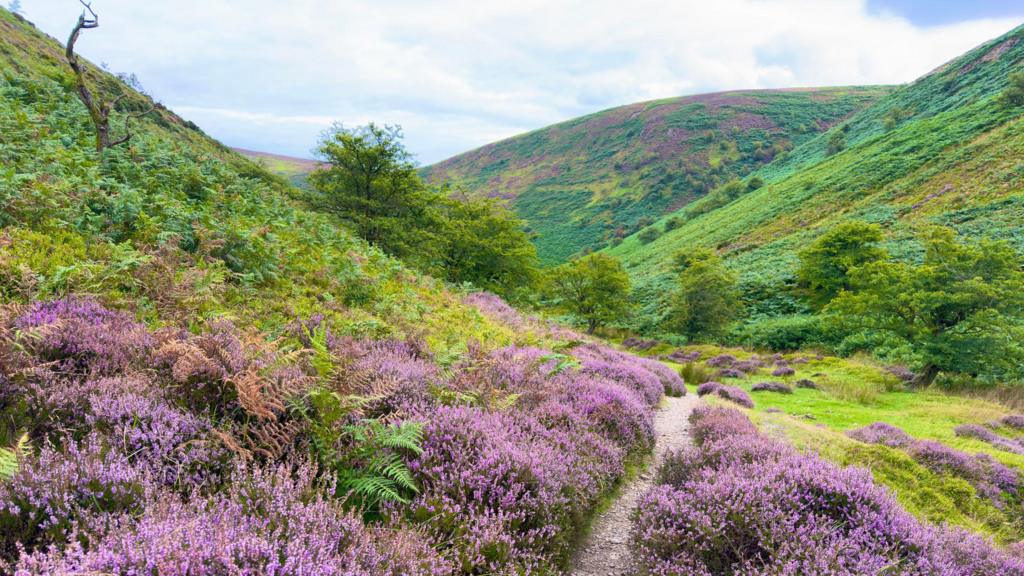
A comprehensive conservation initiative was announced this week in England, with restoration plans focused on rehabilitating critical wildlife habitats that have suffered from decades of human activity and environmental pressures. The initiative targets the English countryside, aiming to revive ecosystems for native flora and fauna. Details of the specific habitats and species involved are outlined in the initiative's framework, with the plans described as among the most ambitious restoration efforts undertaken in the region in recent years.
Endangered Species Act: Narrow Escape on the House Floor
According to reporting from the past week, the 50-year-old Endangered Species Act narrowly avoided significant legislative curtailment after a vote in the House of Representatives. Defenders of Wildlife described the vote as "historic," noting that the bill would have eviscerated core protections for America's imperiled wildlife. While this round of threats was deflected, conservation organizations warn that more legislative challenges to the ESA remain in the pipeline.

Species Spotlight
Freshwater Mussels: America's Most Imperiled Animals
North America is home to the greatest diversity of freshwater mussels on Earth — and also some of the most severe losses. The four species newly granted critical habitat this week represent a broader crisis: freshwater mussels are among the most endangered groups of organisms in North America, with habitat degradation, poor water quality, and loss of host fish species driving declines across the continent.
The rayed bean, sheepnose, snuffbox, and spectaclecase mussels have all been listed as endangered under the ESA. These small bivalves play outsized ecological roles — filtering water, cycling nutrients, and serving as food for fish, birds, and mammals. Their survival depends on clean, well-oxygenated streams with stable sediment and the presence of specific host fish that carry mussel larvae during a parasitic larval stage.
This week's critical habitat designations by the USFWS mark a concrete step forward, legally requiring federal agencies to consult before authorizing activities that could harm these habitats. Conservation groups hope the designations will help drive restoration of watersheds across the Ohio River basin and beyond.
What to Watch
-
Ohio fracking decision: The bidding process for Egypt Valley Wildlife Area's 12,000+ acres will be closely monitored by conservation organizations. The outcome could set a precedent for energy extraction on state wildlife lands across the U.S.
-
ESA legislative threats: With the House vote behind them, conservation advocates are watching for additional legislative maneuvers targeting the Endangered Species Act. Heatmap News reports that "more threats lie in wait" despite the law's survival of this week's vote.
-
England nature restoration rollout: The newly announced English countryside initiative will be watched for implementation details, funding commitments, and which specific habitats and species receive priority attention.
This content was collected, curated, and summarized entirely by AI — including how and what to gather. It may contain inaccuracies. Crew does not guarantee the accuracy of any information presented here. Always verify facts on your own before acting on them. Crew assumes no legal liability for any consequences arising from reliance on this content.
Powered by
