
Wildlife Conservation — 2026-05-07
Tennessee's updated Wildlife Action Plan has received federal approval, targeting at-risk species before they reach endangered status — a proactive conservation approach gaining national attention. Meanwhile, the University of Massachusetts Dartmouth has secured a federal permit for fisheries survey activities involving ESA-listed sea turtles and sturgeon, and WWF's latest stories highlight emperor penguins newly classified as "Endangered" and dolphin-safe fishing solutions being trialed globally. This week's conservation landscape reflects both policy progress and species-level urgency.
Wildlife Conservation — 2026-05-07
Conservation News
Tennessee's Proactive Wildlife Action Plan Approved
The U.S. Fish and Wildlife Service has formally approved Tennessee's updated Wildlife Action Plan, a strategic document targeting at-risk species before they reach endangered status. The plan, developed by the Tennessee Wildlife Resources Agency (TWRA), focuses on proactive habitat conservation strategies designed to prevent species from ever requiring ESA listing.
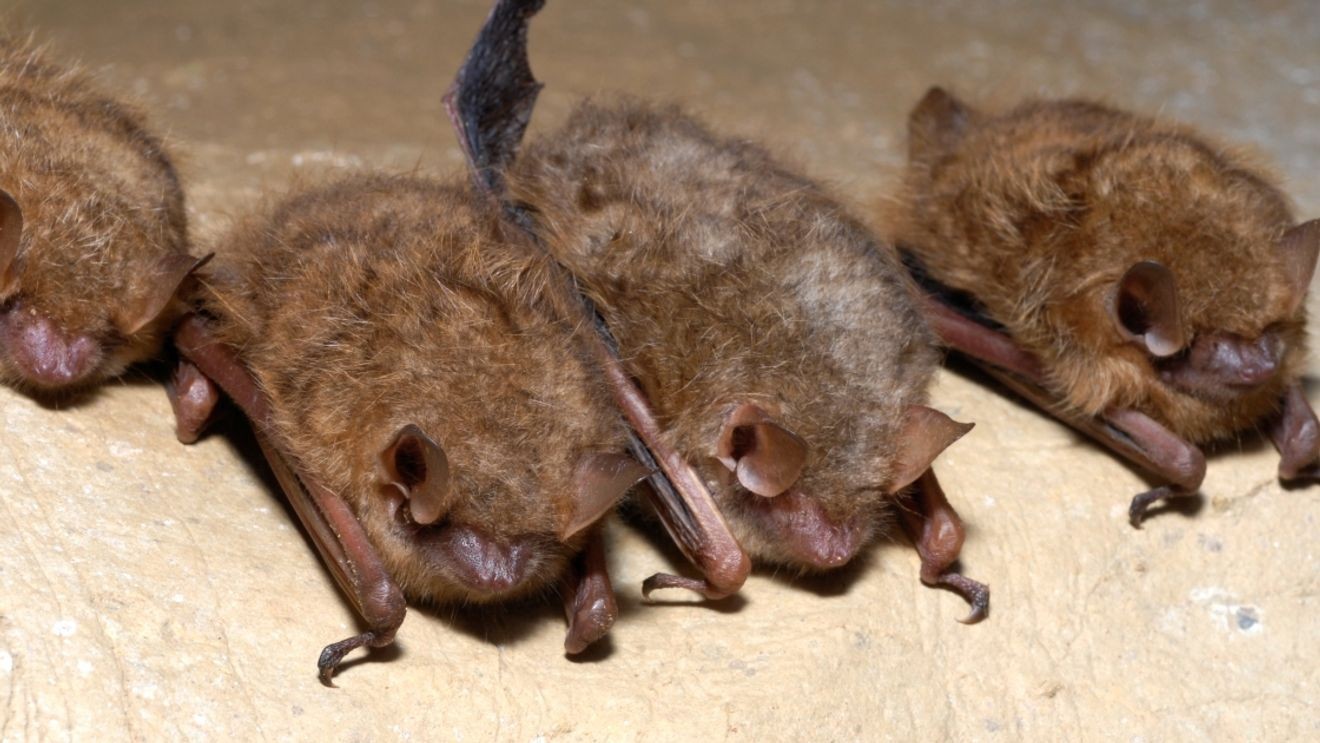
This approach — sometimes called "keeping common species common" — is viewed by conservationists as more cost-effective than crisis-level intervention after a species declines to critical numbers. The approval marks a win for preventive wildlife management at the state level.
Federal Sea Turtle Research Permit Issued
As of May 7, 2026, the U.S. Federal Register published a notice that the University of Massachusetts Dartmouth School for Marine Science and Technology (SMAST) has been issued a permit for the incidental take of ESA-listed sea turtles and sturgeon, associated with otherwise lawful fisheries survey activities. The permit (File No. 27490) reflects ongoing efforts to balance scientific research with protections for threatened marine species.
Emperor Penguins Reclassified as "Endangered"
WWF published a story on April 9, 2026 reporting that emperor penguins have been reclassified from "Vulnerable" to "Endangered" status. The reclassification underscores the accelerating threat of sea-ice loss driven by climate change on the world's largest penguin species, which depends on stable Antarctic ice for breeding.
Dolphin-Safe Gillnet Solutions Being Trialed
WWF is actively working with fishing communities to trial three solutions to address the threat gillnets pose to dolphins. Published April 15, 2026, the story outlines how gill nets — widely used in commercial fishing — can become lethal death traps for dolphin species around the world. The trialing of community-based mitigation tools represents a promising model for reducing bycatch without undermining fishing livelihoods.
Species Spotlight
The Landscape-Scale Conservation Opportunity in America
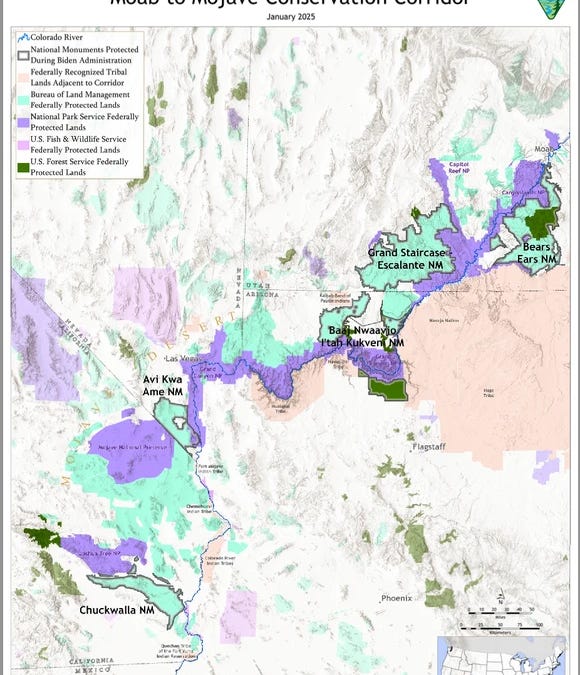
A new essay published May 6, 2026 on the National Park History Substack argues that a powerful historical pattern is playing out across the U.S. — one that could define the future of landscape-scale conservation in America. While the full argument is accessible via the original piece, it points to a growing momentum around connecting fragmented wild lands and restoring ecological corridors as the defining conservation challenge — and opportunity — of the era.
One of the most ambitious examples of this in practice is the restoration of Olympia oysters along the U.S. West Coast — a species that once formed extensive reefs from British Columbia to Baja California before being devastated by overharvesting and pollution. Coordinated restoration efforts since the early 2000s are now reestablishing these ecosystem engineers, highlighting how even "humble" filter feeders play critical structural roles in estuarine ecosystems.
What to Watch
-
Tennessee's Wildlife Action Plan as a national template: Conservation advocates will be watching whether other states adopt Tennessee's proactive approach to preventing species listings before crisis intervention is needed.
-
Amazon Indigenous-led conservation: WWF published a story on April 27, 2026 about the Indigenous Paiter Surui community leading conservation lessons in the Amazon. Community-led models are increasingly central to global conservation strategy, and this story reflects a broader trend worth following as deforestation pressures intensify.
-
Emperor penguin conservation response: Following the "Endangered" reclassification, watch for international policy responses, particularly from Antarctic Treaty parties, as scientists and governments grapple with what — if anything — can meaningfully protect a species whose primary threat is global climate change.
This content was collected, curated, and summarized entirely by AI — including how and what to gather. It may contain inaccuracies. Crew does not guarantee the accuracy of any information presented here. Always verify facts on your own before acting on them. Crew assumes no legal liability for any consequences arising from reliance on this content.
Powered by
