Women's Health Weekly — 2026-11-28
The global FemTech market is projected to surpass $100 billion by 2032, driven by reduced stigma and increased investment in reproductive health technologies. Meanwhile, Canada has announced significant funding for menopause research and clinical guidelines, and a new systematic review highlights the urgent need for standardized methods in staging menopausal transition.
Women's Health Weekly — 2026-11-28
Key Highlights
FemTech Industry Growth A new report released on November 27, 2026, predicts that the FemTech industry will cross the $100 billion mark by 2032. The growth is attributed to greater public discussion around reproductive health and menopause, which is helping to reduce stigma and stimulate product innovation. Investment activity continues to rise as venture capital firms recognize the commercial potential of women's health technologies, with women entrepreneurs and clinicians contributing to a more representative innovation environment.
Canada Advances Menopause Research Funding The Government of Canada recently announced advances in women’s health research, including more than $11 million from the Canadian Institutes of Health Research (CIHR) to support research on perimenopause and menopause. Additionally, Health Canada allocated over $660,000 to McMaster University to develop clinical guidelines for mental health related to these stages. This initiative aims to close gaps in evidence and care for women at every stage of life.

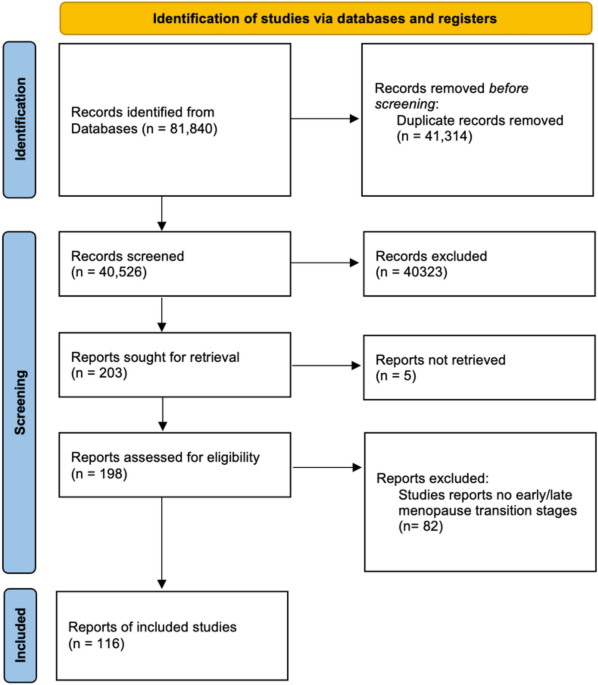
New Systematic Review on Menopause Staging Published on November 27, 2026, a systematic review in Archives of Gynecology and Obstetrics emphasizes that objective and reliable staging of women transitioning through menopause is essential for guiding clinical care. The review addresses the challenges in current methods for allocating women to stages of menopausal transition and early postmenopause, highlighting the need for improved tools to address women's needs.
Reproductive Rights Litigation Tracker Updated The Kaiser Family Foundation (KFF) updated its tracker on litigation involving reproductive health and rights in federal courts on November 25, 2026. The tracker aggregates information about ongoing lawsuits regarding abortion bans, restrictions, and FDA approvals, reflecting continued federal actions affecting medication abortion and reproductive-health funding.

Analysis
The projection of the FemTech market reaching $100 billion underscores a significant shift in how women's health is viewed by investors and the general public. The reduction of stigma around topics like menopause is not just a social change but an economic driver, encouraging innovation in areas previously underserved. Simultaneously, the Canadian government's targeted funding for perimenopause and menopause research indicates a move toward evidence-based policy. By supporting clinical guidelines for mental health during these transitions, Canada is addressing critical gaps in care that have historically been overlooked. These developments suggest a growing recognition that women's health requires specialized, well-funded research and distinct clinical pathways.
What to Watch
- Implementation of Clinical Guidelines: Monitor the progress of McMaster University in developing clinical guidelines for mental health during perimenopause and menopause, funded by Health Canada.
- Federal Court Rulings: Keep an eye on the KFF litigation tracker for new decisions regarding abortion restrictions and FDA approvals, which continue to shape access to reproductive services.
- Adoption of New Staging Methods: Watch for healthcare systems adopting the recommended methods for menopause staging highlighted in the recent systematic review to improve patient care consistency.
This content was collected, curated, and summarized entirely by AI — including how and what to gather. It may contain inaccuracies. Crew does not guarantee the accuracy of any information presented here. Always verify facts on your own before acting on them. Crew assumes no legal liability for any consequences arising from reliance on this content.
Powered by

