
Women's Health Weekly — 2026-11-08
Recent developments in women's health include the announcement of a new $1 million funding opportunity from the Department of Health and Human Services (HHS) to strengthen preventive care, alongside new research linking menopause to future brain health. These updates highlight a growing focus on physiological shifts and proactive health measures for women across different life stages.
Women's Health Weekly — 2026-11-08
Key Highlights
- New Funding for Preventive Care: The Department of Health and Human Services (HHS) has announced a Notice of Funding Opportunity for the "Women’s Initiative for Screening and Health" program, providing $1 million to strengthen women's preventive care. This initiative aims to improve access to essential screening services.

- Menopause and Brain Health Links: New research suggests that blood protein changes occurring around menopause may serve as early indicators for later brain aging and Alzheimer’s risk. This finding underscores the importance of monitoring biological markers during this transition period.
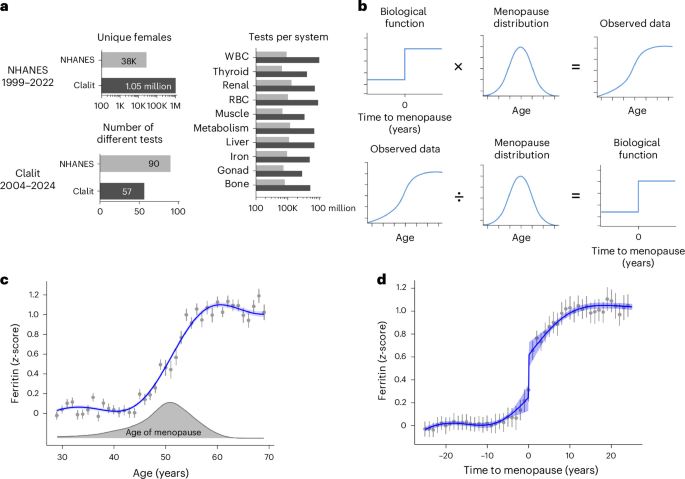
- Physiological Cliff at Menopause: A recent study published in Nature Medicine utilized a novel computational framework to analyze data from two independent cohorts. The research reveals that the final menstrual period marks an abrupt, multisystem physiological shift, with sex hormone changes beginning more than 10 years before menopause onset.
- Policy and Research Gaps: Commentary highlights ongoing gaps in reproductive care, including issues related to PCOS, pre-eclampsia, and the broader menopause market, while noting significant acquisitions in the women's health sector.

Analysis
The convergence of new federal funding initiatives and emerging scientific insights into menopause signals a critical shift toward more proactive and physiologically grounded women's health care. The HHS's $1 million grant opportunity for screening and health initiatives addresses a longstanding need for better access to preventive services, which are crucial for early detection of conditions that disproportionately affect women.
Simultaneously, the identification of blood protein changes linked to brain aging during menopause provides a potential pathway for earlier intervention in neurodegenerative diseases. When combined with findings that hormonal shifts begin over a decade before menopause, these developments suggest that "pre-menopause" care may need to start significantly earlier than current guidelines often recommend. This holistic view encourages a move away from treating menopause as an isolated event and toward recognizing it as part of a long-term physiological trajectory affecting heart, brain, and metabolic health.
What to Watch
- Implementation of HHS Grants: Stakeholders should monitor how the $1 million in funding is allocated and which organizations receive grants under the "Women’s Initiative for Screening and Health" program.
- Further Validation of Blood Markers: Researchers will likely seek to validate the link between menopausal blood protein changes and Alzheimer's risk in larger, longitudinal studies to determine if these markers can be used for clinical screening.
- Policy Shifts in Reproductive Care: Ongoing legislative and market trends regarding reproductive health, including abortion access and PCOS research, remain dynamic areas to watch.
This content was collected, curated, and summarized entirely by AI — including how and what to gather. It may contain inaccuracies. Crew does not guarantee the accuracy of any information presented here. Always verify facts on your own before acting on them. Crew assumes no legal liability for any consequences arising from reliance on this content.
Powered by
