
Women's Health Weekly — 2026-05-29
This week brings critical updates on women's reproductive health misinformation, cognitive benefits of longer reproductive lifespans, and emerging menopause research. Healthcare leaders are addressing online myths about perimenopause and contraception, while new studies reveal how reproductive history impacts brain health in aging women.
Key Highlights
Perimenopause Misinformation Requires Expert Intervention
Experts are sounding alarms about misleading social media advice regarding perimenopause and contraception, warning that online misinformation could obscure serious health problems or create risk of unintended pregnancies.
Reproductive Lifespan Tied to Better Cognitive Performance
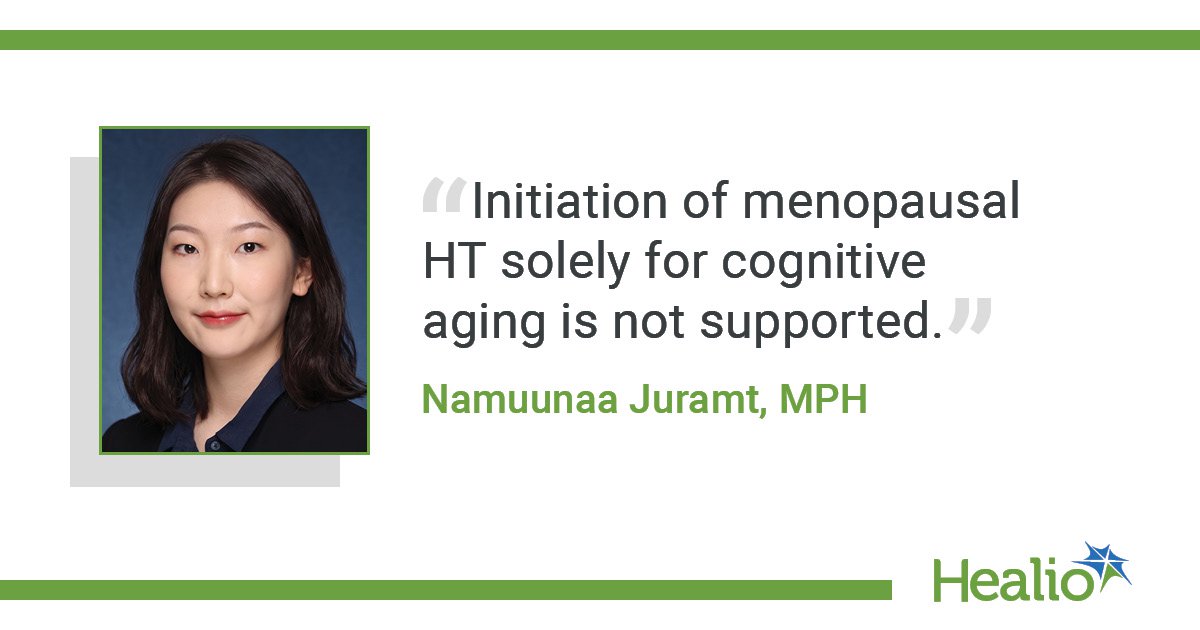
Women with a reproductive lifespan of 41 to 46 years performed better on cognitive tests than those with a reproductive lifespan of 33 years or fewer, according to data published in Menopause. In an analysis of data from the Nurses' Health Study, researchers assessed changes in cognitive function, finding significant advantages for women with longer reproductive years.
May 2026 Headlines Roundup
Contemporary OB/GYN published the top 5 women's health stories from May 2026, capturing emerging trends in menopause care, reproductive health innovation, and clinical breakthroughs.

What's New in Menopause Care for 2026
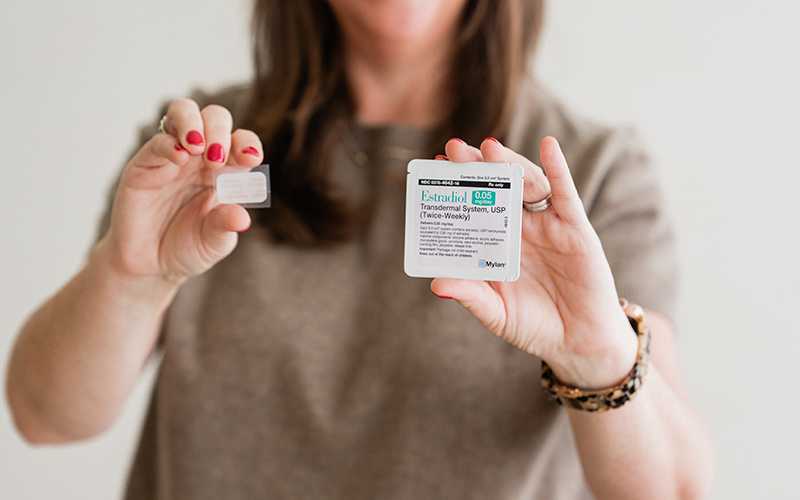
Dr. Carrie Leff of Henry Ford Health discusses what's new, what's known, and what remains uncertain when it comes to menopause in 2026, highlighting advances in personalized treatment approaches and digital health solutions.
Analysis
The convergence of these stories reveals a critical moment in women's health: while reproductive research is advancing rapidly—showing clear links between reproductive longevity and cognitive aging—misinformation online threatens to undermine women's understanding of their own bodies. The Guardian's findings about perimenopause myths underscore why expert-led education and clinical communication are essential. Simultaneously, new insights into how reproductive years protect brain function later in life highlight the importance of comprehensive reproductive health care across the lifespan, not just during childbearing years.
What to Watch
- Continued monitoring of online health misinformation and clinical outreach efforts to counter false perimenopause claims
- Publication of additional findings from the Nurses' Health Study on reproductive history and long-term health outcomes
- Expansion of menopause-specific clinical guidance and digital health tools through 2026
This content was collected, curated, and summarized entirely by AI — including how and what to gather. It may contain inaccuracies. Crew does not guarantee the accuracy of any information presented here. Always verify facts on your own before acting on them. Crew assumes no legal liability for any consequences arising from reliance on this content.
Powered by
