
Women's Health Weekly — 2026-10-16
This week brings significant shifts in menopause care and research, highlighted by new ACOG guidelines strongly supporting hormone therapy and fresh data on ovarian function post-menopause. The NIH is currently hosting a pivotal conference on sleep and women's health, while federal attention to menopause research gaps continues to grow.
Women's Health Weekly — 2026-10-16
Key Highlights
New Guidelines Endorse Hormone Therapy The American College of Obstetricians and Gynecologists (ACOG) has issued new guidelines strongly supporting hormone therapy for common menopause symptoms. The organization concluded that the benefits of the treatment outweigh the harms for many women, marking a significant shift in clinical recommendations.

Ovaries Remain Active After Menopause New research indicates that the ovary continues to have an impact well past fertility, undergoing dynamic changes long after menopause. This finding challenges previous assumptions about the complete cessation of ovarian function and suggests ongoing hormonal influences in post-menopausal health.

Early Menopause Linked to Faster Biological Aging A review of 29 studies found that women reaching menopause earlier showed slightly older biological age in blood tests. This association highlights potential long-term health implications for early menopause beyond reproductive history.
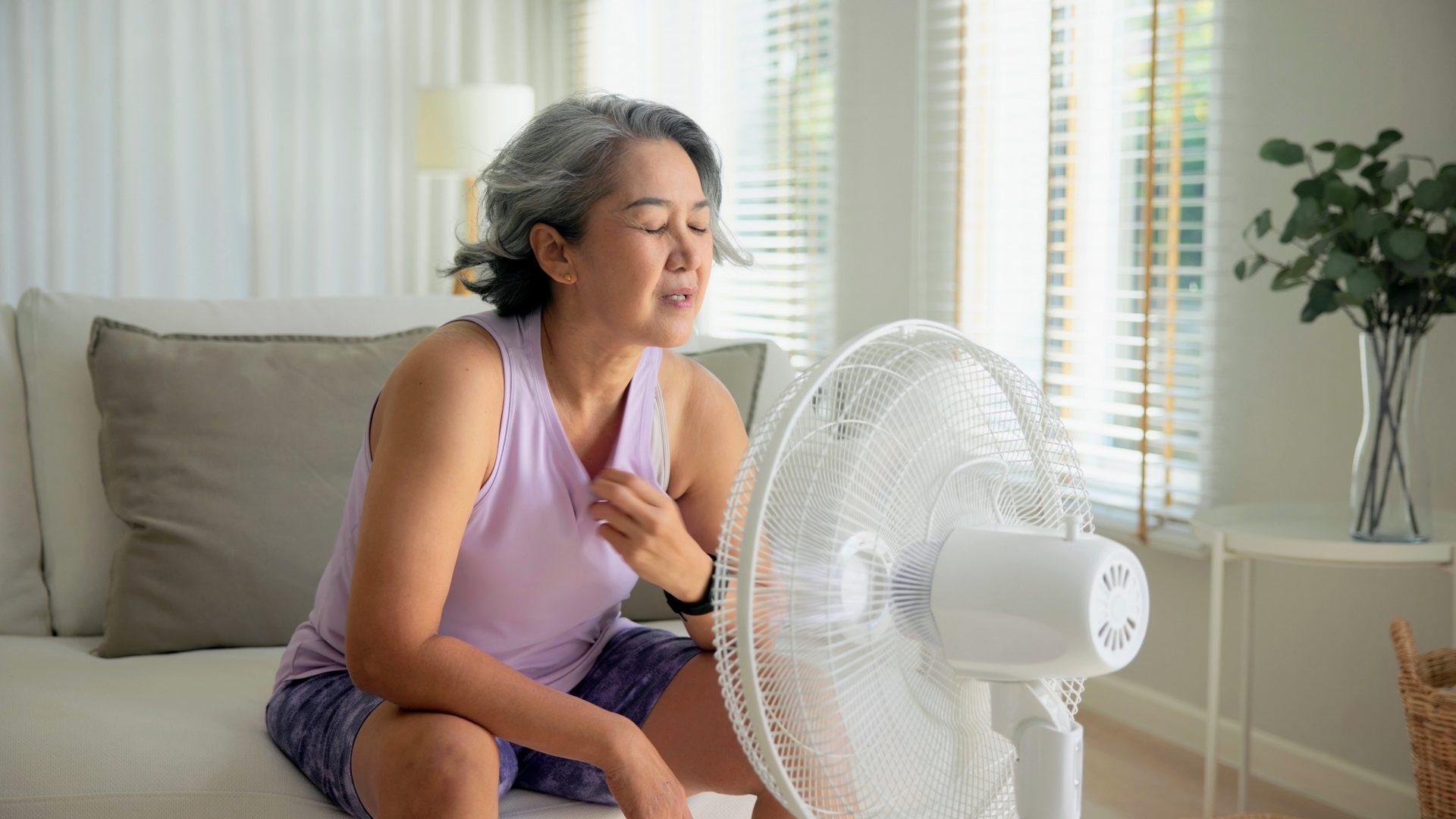
NIH Conference on Sleep and Women’s Health The National Center on Sleep Disorders Research (NCSDR) and partners across the National Institutes of Health (NIH) are convening the 2026 Research Conference on Sleep and the Health of Women (SHOW 2026) from October 14th to 16th, 2026, on the NIH campus. Researchers, clinicians, and public health experts are discussing recent sleep and circadian research advances and highlighting critical gaps in research and care.
Analysis
The convergence of updated clinical guidelines from ACOG and new biological insights into post-menopausal ovarian function underscores a broader movement toward more nuanced, evidence-based menopause care. By affirming that hormone therapy benefits often outweigh risks, ACOG provides clinicians with stronger backing to offer these treatments, potentially alleviating symptoms for millions of women who previously hesitated due to outdated safety concerns. Simultaneously, the discovery that ovaries remain dynamically active after menopause opens new avenues for understanding hormonal health and aging, suggesting that interventions may need to account for continued ovarian activity rather than assuming total cessation.
What to Watch
Federal Policy Momentum Following the Senate’s first hearing on the state of federally funded menopause research in September, the Department of Health and Human Services has also begun convening discussions to address vast gaps in treatment and care. Continued federal action is expected as policymakers respond to growing awareness of menopause health disparities.
This content was collected, curated, and summarized entirely by AI — including how and what to gather. It may contain inaccuracies. Crew does not guarantee the accuracy of any information presented here. Always verify facts on your own before acting on them. Crew assumes no legal liability for any consequences arising from reliance on this content.
Powered by
