
Women's Health Weekly — 2026-09-20
A critical gap in electronic health records leaves menopause undocumented for many women, while Spain recently withdrew official menopause advice based on male-only research. Meanwhile, a new neuroimaging study reveals that menopause may briefly pause rather than accelerate brain volume loss, offering a nuanced perspective on midlife cognitive health.
Key Highlights
- Menopause Documentation Gap: A University of Colorado Anschutz study analyzing nearly 396,000 women in the NIH's All of Us program found that menopause is frequently missing from women's electronic health records. This lack of documentation hinders comprehensive care and longitudinal tracking for midlife women.
- Spain's Research Blunder: Spain’s food safety agency withdrew its official menopause nutrition advice after discovering that key recommendations regarding iron and vitamin C were based exclusively on male subjects. This incident highlights the persistent issue of using male-only data to inform women's health guidelines.

Spanish menopause advice retraction - Brain Volume and Menopause: A new study published in Nature Communications compared brain volumes across puberty, pregnancy, and menopause. The findings indicate that while brain volumes decline during puberty and pregnancy with distinct regional patterns, menopause appears to briefly pause rather than speed up this ongoing volume loss.
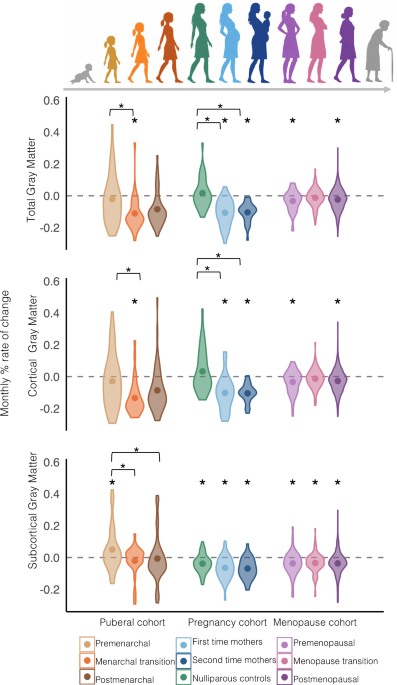
Neuroimaging study on brain volume - Knowledge Gaps in Care: Experts note that despite menopause being a universal experience, many patients encounter confusion and limited treatment options because medical training and clinical protocols have not kept pace with current understanding. This "knowledge gap" contributes to inadequate care for menopausal women.

Menopause knowledge gap
Analysis
This week's top finding—the withdrawal of Spain's official menopause advice due to its reliance on male-only research—matters profoundly for women's health because it exposes a systemic failure in how health guidelines are developed. When nutritional and medical advice for conditions affecting only one sex is derived from data collected from the other sex, the resulting recommendations can be ineffective or even harmful. This incident underscores the urgent need for dedicated research cohorts and clinical variables specific to women, particularly during hormonal transitions like menopause. Furthermore, the documentation gap identified in electronic health records suggests that even when correct information exists, it is often not captured in the systems that drive modern healthcare decision-making, leading to fragmented care.
What to Watch
- Policy Responses to Data Gaps: Following the Spanish controversy and recent U.S. congressional hearings on menopause research gaps, watch for regulatory changes requiring sex-specific data validation for public health guidelines.
- EHR Standardization Initiatives: With new data highlighting the absence of menopause status in electronic health records, there may be increased pressure on health technology providers to include mandatory menopause-related fields in standard patient intake and record systems.
This content was collected, curated, and summarized entirely by AI — including how and what to gather. It may contain inaccuracies. Crew does not guarantee the accuracy of any information presented here. Always verify facts on your own before acting on them. Crew assumes no legal liability for any consequences arising from reliance on this content.
Powered by
