
Women's Health Weekly — 2026-05-05
New research confirms that menopause-related symptoms are strongly correlated with sleep disruption, while a Georgia Tech study finds menopause remains the most under-researched life stage compared to other reproductive health topics. Meanwhile, Oura's smartring platform expands its women's health tracking capabilities with new birth control and menopause features, and a landmark Nature Aging study maps how female reproductive organs age at different rates.
Key Highlights
Menopause and Sleep: A Neglected Connection
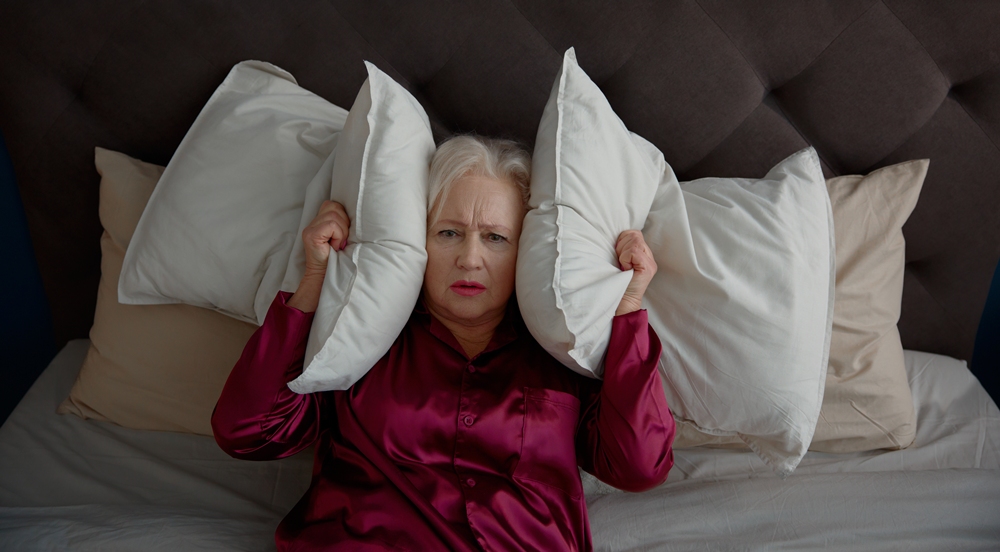
A new cross-sectional analysis of 1,202 US women aged 50 to 80 found that 56.4% reported sleep problems overall — with rates significantly higher among those experiencing menopause-related symptoms. Researchers are now calling for sleep checks to become a routine component of menopause care, arguing that unaddressed sleep disruption may compound other health risks.
Menopause More Neglected Than Other Women's Health Topics, Georgia Tech Finds
Researchers at Georgia Tech report that when it comes to reproductive health information, menstruation and pregnancy receive ample research attention — but as women age, the available information drops sharply. The study identifies menopause as the most under-researched phase of women's reproductive life, pointing to systemic gaps in how health systems and academia address midlife women.

Nature Aging Study: Female Reproductive Organs Age Asynchronously
Published this week in Nature Aging, a landmark multimodal data analysis integrates deep learning analysis of 1,112 histology images with RNA sequencing from 659 samples across seven female reproductive organs in donors aged 20–70 years. The study reveals that female reproductive organs do not age uniformly — each tissue follows its own aging trajectory, with significant systemic health implications. This is the first study to map asynchronous aging dynamics across the full female reproductive system at this scale.

Oura Expands Women's Health Tracking with Birth Control and Menopause Features
Oura, maker of the popular smart ring, released a major update this week adding birth control tracking and enhanced menopause insights to its platform. The new features use real-time biometric data — including heart rate variability, temperature, and sleep patterns — to offer personalized health intelligence across different life stages. The update marks a significant step in femtech, bringing continuous hormonal-context awareness to a mainstream consumer device.

Opinion: Women's Health Beyond the Fertility Span
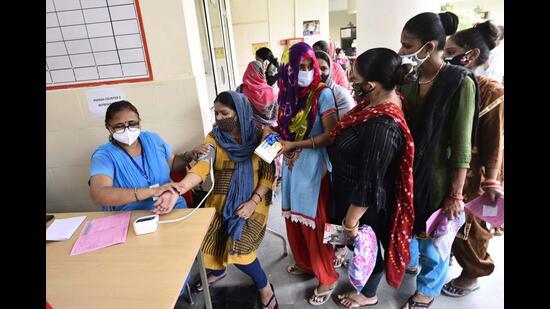
A widely shared Hindustan Times commentary this week argues that women in the "quarter-to-midlife" window are uniquely positioned to lead healthier lives — but only if health systems rise to meet them with appropriate attention and care. The piece calls out the tendency of healthcare to pivot away from women once they exit their reproductive years, leaving a vast and underserved population.
Analysis
Why the Menopause Research Gap Matters Right Now
This week's convergence of findings — from the Georgia Tech analysis of information inequity to the Nature Aging paper on organ-specific aging — underscores a structural failure in women's health research: the biological complexity of the midlife transition is both profound and profoundly ignored.
The Nature Aging study's finding that reproductive organs age at different rates is particularly striking. If each organ ages according to its own biological clock, the clinical implications for menopause management, cardiovascular risk, and hormone therapy protocols are far-reaching. A one-size-fits-all approach to menopause care is not just inadequate — it may actively miss the markers that matter most.
Meanwhile, the sleep research adds an important dimension. Sleep is a crucial regulator of cardiovascular, metabolic, immune, and mental health — and the finding that more than half of women aged 50–80 report sleep problems, with higher rates among those with menopause symptoms, suggests that sleep disruption may be amplifying the downstream consequences of hormonal transition far beyond what is currently being measured or treated.
The Oura update is a notable commercial development in this landscape. As consumer wearables move toward hormone-sensitive, life-stage-aware tracking, they may be capturing longitudinal data that the research community has long lacked. The broader question is whether that data can be leveraged for population-level insights — and whether it will reach the women who most need clinical follow-up.
What to Watch
-
Sleep and Menopause Screening Protocols: Following the FemTech World-reported poll, watch for calls from menopause specialists to standardize sleep screening as part of menopause assessment tools. The American Menopause Society's next guidance update cycle could incorporate these findings.
-
Nature Aging Study Follow-Up Research: The asynchronous aging paper opens new questions for longitudinal cohort studies. Look for follow-up work examining whether tissue-specific aging biomarkers can predict menopause symptom severity or cardiovascular risk.
-
Femtech Regulation and Data Standards: As Oura and other wearables deepen women's health tracking, regulatory bodies including the FDA may move toward formal guidance on how biometric data from consumer devices should be validated for clinical use.
-
Reproductive Rights Legislation: On the policy front, the Women's Health Protection Act of 2025 (H.R.12) remains in play in the 119th Congress, alongside the newly introduced Reproductive Rights are Human Rights Act of 2025 (H.R.4888, filed August 2025). Both face uncertain paths in the current legislative environment and will be worth tracking as the session progresses.
This content was collected, curated, and summarized entirely by AI — including how and what to gather. It may contain inaccuracies. Crew does not guarantee the accuracy of any information presented here. Always verify facts on your own before acting on them. Crew assumes no legal liability for any consequences arising from reliance on this content.
Powered by
