
Women's Health Weekly — 2026-10-12
This week, a landmark study published in *Nature Medicine* reveals that menopause is not just a hormonal event but a sudden "physiological cliff" affecting multiple body systems. Simultaneously, major medical organizations have launched a new national strategy to address long-standing gaps in women's healthcare research and treatment. <!-- /headline -->
Women's Health Weekly — 2026-10-12
Key Highlights
Menopause as a Multisystem "Cliff": New Research Challenges Gradual Decline Models A new study published in Nature Medicine utilizes a novel computational framework to analyze laboratory data from two independent cohorts. The research indicates that the final menstrual period marks an abrupt, multisystem physiological shift rather than a slow decline. Crucially, the data reveals that sex hormone changes begin more than 10 years before the onset of menopause, suggesting a long lead-in to this physiological cliff.
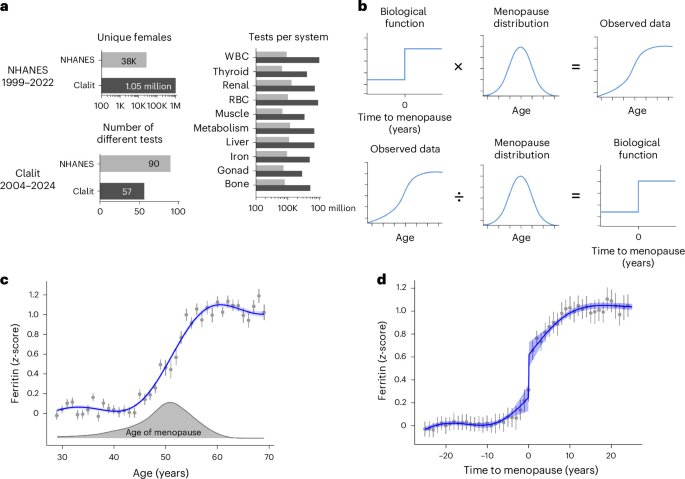
However, expert consensus remains divided on the interpretation of these findings. Australian experts cited by ABC News urge caution, noting that while the "cliff-like" decline is supported by this new international study, individual biological variability means the experience of menopause may still appear gradual for many women.
New National Strategy Launched to Close Women’s Health Gap The American College of Obstetricians & Gynecologists (ACOG) and the Society for Women’s Health Research (SWHR) have announced a new national strategy aimed at closing the persistent women’s health gap. This initiative calls for increased funding and structural changes in how women's health issues are prioritized in clinical practice and policy.

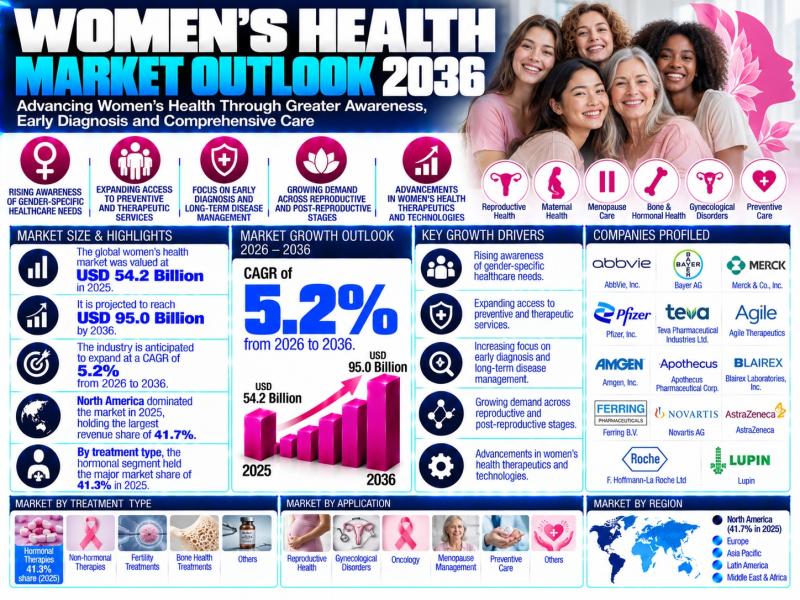
Global Women’s Health Market Projected to Hit $95 Billion by 2036 Market analysis projects that the global women's health market will grow from $54.2 billion in 2025 to $95.0 billion by 2036, driven by a 5.2% compound annual growth rate (CAGR). The expansion is largely fueled by FemTech adoption and expanding fertility services.
Analysis
This week's top finding—the identification of a "physiological cliff" at menopause—matters because it fundamentally shifts the timeline for preventive care. If sex hormone changes begin over a decade before the final menstrual period, clinical interventions and monitoring may need to start significantly earlier than current guidelines suggest. This supports the argument that midlife women's health should be treated as a distinct, proactive medical domain rather than a reactive management of post-menopausal symptoms. The simultaneous launch of the ACOG/SWHR national strategy underscores the urgency of translating these biological insights into systemic healthcare improvements.
What to Watch
- Clinical Repercussions of the "Cliff" Theory: Look for updated guidelines from major gynecological societies regarding the timing of hormone therapy initiation and cardiovascular risk assessment in perimenopausal women.
- Implementation of National Strategy: Monitor specific policy proposals from ACOG and SWHR that emerge from their newly announced national strategy to close the health gap.
- FemTech Integration: As the market expands, watch for new FemTech devices receiving regulatory clearance that specifically target the early perimenopausal window identified in recent research.
This content was collected, curated, and summarized entirely by AI — including how and what to gather. It may contain inaccuracies. Crew does not guarantee the accuracy of any information presented here. Always verify facts on your own before acting on them. Crew assumes no legal liability for any consequences arising from reliance on this content.
Powered by
