
Women's Health Weekly — 2026-10-24
This week, the federal government formally codified its new initiative to improve women's health outcomes across all life phases, while the private sector responded with significant market growth projections. Key developments include the publication of the executive order in the Federal Register, a new market analysis predicting substantial growth in the U.S. women's health sector, and a notable public debate regarding the inclusion of menopause experts in federal health initiatives.
Women's Health Weekly — 2026-10-24
Key Highlights
Federal Initiative Codified in Federal Register
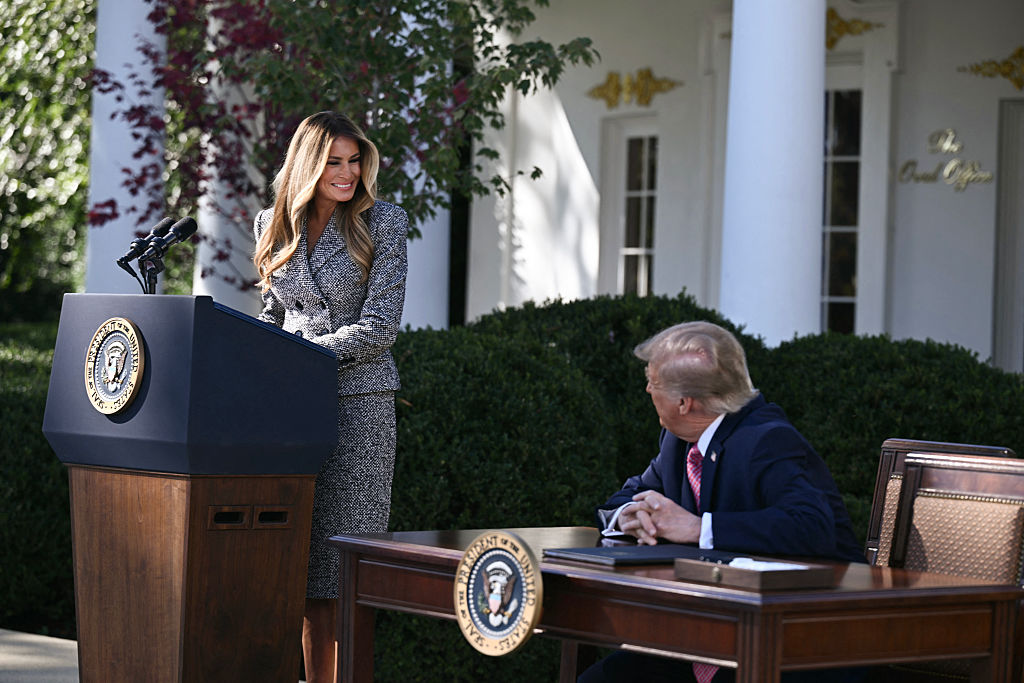
On October 22, 2026, the executive order titled "Advancing Women's Health to Improve Outcomes in All Phases of Life" was officially published in the Federal Register. This document formalizes the administration's directive to prioritize women's health outcomes across various life stages, following its initial signing by President Donald Trump and First Lady Melania Trump. The order establishes a framework for federal agencies to integrate women-specific health research and care into their operational priorities.

U.S. Women’s Health Market Projected to Reach $99.7 Billion
A new report by Mordor Intelligence, released on October 21, 2026, projects that the U.S. women’s health market will grow to $99.7 billion by 2032, driven primarily by menopause care, fertility services, and digital health solutions. The market is expected to expand at a compound annual growth rate (CAGR) of 4.67%, supported by rising awareness of women-specific health conditions.
Global Supplement Market Expands
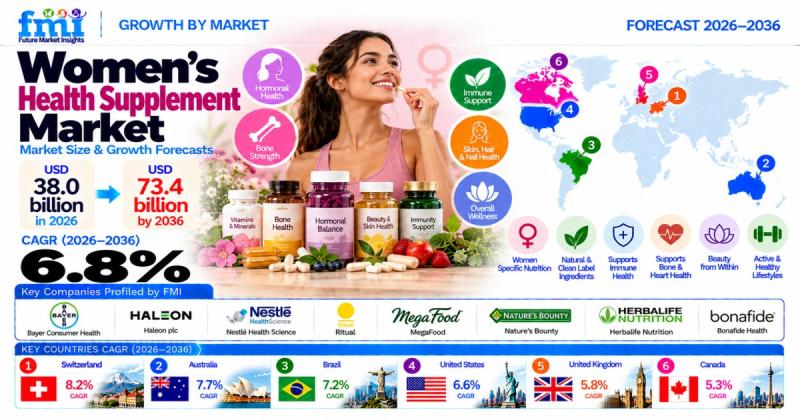
Separately, the global women’s health supplement market is projected to reach $73.4 billion by 2036, growing from $38.0 billion in 2026 at a CAGR of 6.8%. This growth is attributed to increasing demand for life-stage nutrition, menopause wellness products, and targeted micronutrient formulations.
Menopause Expert Declines White House Photo Op
Tensions surrounding the administration's women's health initiative were highlighted this week when a prominent menopause expert declined an invitation to participate in a Rose Garden photo opportunity for the executive order signing. The expert cited concerns regarding the administration's broader healthcare policies and the lack of specific, actionable funding for menopause care despite the rhetorical emphasis on the issue.
Analysis
The convergence of federal policy formalization and robust market growth signals a pivotal shift in the women's health landscape. The publication of the executive order in the Federal Register provides the legal and administrative basis for federal agencies to reallocate resources toward women-specific health outcomes, particularly in areas like menopause and maternal health. However, the market data suggests that the private sector is already leading the charge in addressing gaps in care, particularly for menopause and fertility. The refusal of a key expert to participate in the White House ceremony underscores a disconnect between federal rhetoric and the practical needs of the medical community, who may be seeking more concrete legislative protections and funding mechanisms rather than symbolic gestures.
What to Watch
- Implementation of Federal Directives: Stakeholders will be monitoring how federal agencies, particularly the NIH and HHS, begin to implement the mandates outlined in the newly published executive order.
- Market Consolidation: With the U.S. women's health market projected to nearly double in size by 2032, investors should watch for consolidation in the digital health and menopause care sectors.
- Supplement Industry Trends: The significant growth in the global supplement market suggests a continued consumer shift toward preventative and life-stage-specific nutrition, which may influence future regulatory scrutiny from the FDA.
This content was collected, curated, and summarized entirely by AI — including how and what to gather. It may contain inaccuracies. Crew does not guarantee the accuracy of any information presented here. Always verify facts on your own before acting on them. Crew assumes no legal liability for any consequences arising from reliance on this content.
Powered by
