
Women's Health Weekly — October 27, 2026
This week marks a historic shift in cardiovascular care with the release of the first unified framework for women's heart health by four major medical societies. Additionally, bipartisan legislative efforts in the U.S. are intensifying focus on menopause research and healthcare access, signaling a move toward more comprehensive, life-stage-specific medical guidance.
Key Highlights
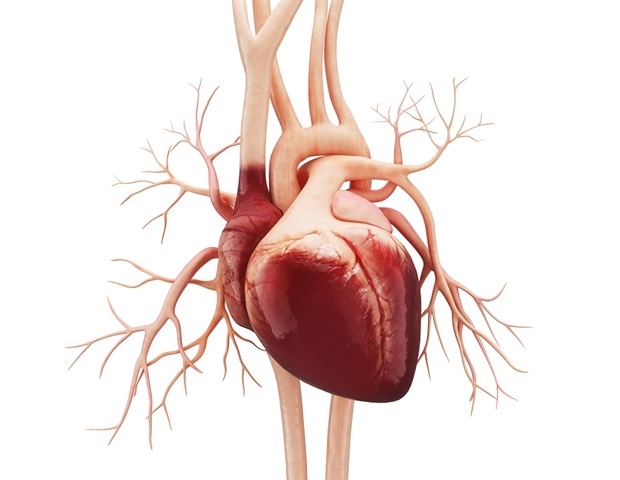
Landmark Cardiovascular Framework Published Four major medical societies—the American Heart Association (AHA), American Academy of Pediatrics (AAP), Society for Maternal-Fetal Medicine (SMFM), and American College of Obstetricians and Gynecologists (ACOG)—have published a landmark framework in Circulation that redefines heart health for girls and women. For the first time, this unified clinical approach maps female-specific cardiovascular disease (CVD) risk across four distinct hormonal life stages: periods, pregnancy, perimenopause, and menopause. The publication, released in October 2026, provides clinicians and patients with a standardized model for identifying unique signals of cardiovascular risk years before heart disease develops.
Bipartisan Focus on Menopause Legislation Recent legislative actions and congressional hearings have highlighted a growing bipartisan consensus on the scale of menopause as a public health issue. Lawmakers are increasingly focusing on improving research, healthcare delivery, and public health initiatives related to menopause, moving beyond traditional gendered health divides.

Guidelines on Cholesterol and Menopause New guidelines accompanying the cardiovascular framework urge lifelong heart-health monitoring for women, specifically highlighting how hormonal changes during pregnancy and menopause can significantly influence cardiovascular risk. The guidance addresses scenarios where women with previously normal LDL cholesterol levels may see spikes to high-risk levels during menopause, necessitating proactive changes in lifestyle and monitoring.
Analysis
The release of the unified cardiovascular framework represents a critical correction to the historical "one-size-fits-all" approach to heart health, which often ignored female-specific physiological markers. By integrating data from pediatrics, obstetrics, and cardiology, the new model acknowledges that a woman's heart health is not static but dynamically linked to her hormonal life stages. This shift is vital because traditional risk factors often fail to capture the early warning signs of CVD in women, who may present with different symptoms or risk profiles than men. The bipartisan legislative push on menopause further reinforces the need for specialized care, suggesting that systemic changes in both clinical guidelines and public policy are aligning to support women's health across the entire lifespan.
What to Watch
- Implementation of Clinical Guidelines: Clinicians will begin integrating the new four-stage cardiovascular framework into routine care, potentially altering screening protocols for women in perimenopause and menopause.
- Legislative Progress on Menopause: Continued monitoring of congressional hearings and bill developments regarding menopause research funding and healthcare access, following the recent bipartisan emphasis.
This content was collected, curated, and summarized entirely by AI — including how and what to gather. It may contain inaccuracies. Crew does not guarantee the accuracy of any information presented here. Always verify facts on your own before acting on them. Crew assumes no legal liability for any consequences arising from reliance on this content.
Powered by
