
Women's Health Weekly — 2026-05-08
This week's top story is Oura's new platform update introducing a Menopause Impact Scale and deeper hormonal birth control tracking, marking a significant step in consumer femtech. A landmark study published in *New Scientist* finds that PCOS delays perimenopause onset in most patients, potentially extending fertility windows. Meanwhile, Mother's Day spotlights persistent equity gaps in women's health research, with advocates and academics calling for stronger investment in midlife and menopause science.
Key Highlights
Oura Launches Menopause Impact Scale and Hormonal Birth Control Support
Wearable health company Oura rolled out its latest platform update this week, introducing two features aimed squarely at women's health: support for hormonal birth control and a new Menopause Impact Scale. The update is designed to help users collect and analyze how their cycles affect overall health and readiness scores — moving femtech further toward personalized, life-stage-aware care.
PCOS Found to Delay Perimenopause, May Extend Fertility
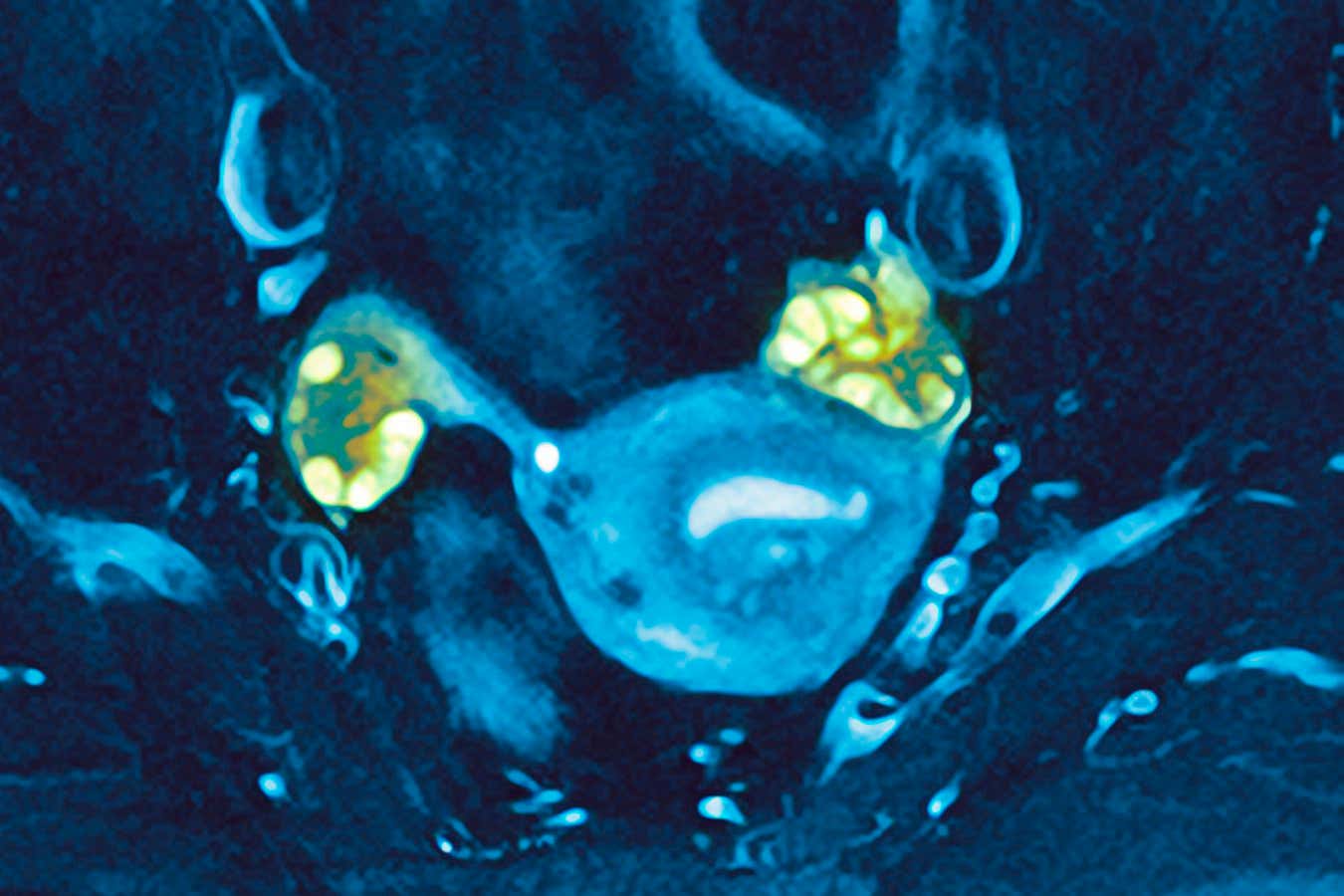
New research published this week reveals a striking finding: only 3% of people with polycystic ovary syndrome (PCOS) reach perimenopause by age 46, compared to much higher rates in the general population. The study, reported by New Scientist, suggests PCOS may allow conception at older ages — reframing the condition not only as a reproductive challenge but potentially as a factor that extends the fertile window. This has significant implications for how clinicians counsel patients with PCOS about long-term reproductive planning.
Mother's Day Op-Ed: Research Equity Over Flowers
An opinion piece published this week by the Indiana Daily Student argues that the best Mother's Day gift would be closing the research equity gap in women's healthcare — particularly around menopause. The piece notes that while menstruation and pregnancy receive substantial research attention, midlife women's health remains comparatively understudied. The authors draw on comparisons with animal research to highlight how gaps in human menopause science persist even as adjacent fields advance.

UC San Diego Marks Mother's Day with Pregnancy and Postpartum Science Programming
UCTV's Motherhood Channel, promoted this week by UC San Diego, is bringing together UC physicians and researchers to share guidance on pregnancy, childbirth, postpartum recovery, and women's health. The initiative reflects growing momentum around evidence-based maternal health communication aimed at the general public.

Analysis
Why the PCOS-Perimenopause Finding Matters
The new data on PCOS and perimenopause timing is more than a biological curiosity — it has direct clinical implications. For decades, PCOS has been framed primarily as a condition of reproductive difficulty: irregular cycles, challenges conceiving, and metabolic complications. The revelation that the same hormonal environment that causes those difficulties may also delay reproductive aging inverts that narrative in a meaningful way.
For the roughly 8–13% of people of reproductive age who have PCOS, this finding could shift counseling conversations. Clinicians may need to reassess assumptions about when fertility declines for this population and adjust guidance on contraception, family planning, and long-term ovarian monitoring accordingly.
It also raises deeper scientific questions about the hormonal mechanisms linking PCOS to ovarian aging — questions that remain incompletely answered. The finding underscores exactly the kind of midlife women's biology that advocates have been calling for more investment in this week, as the Mother's Day commentary cycle has made plain.
What to Watch
-
Oura Menopause Impact Scale adoption: As Oura's update rolls out to users, watch for early data on how the Menopause Impact Scale integrates with existing readiness and sleep scores — and whether it influences clinical conversations between patients and providers.
-
PCOS longitudinal research: The perimenopause-delay finding will likely spur calls for follow-up studies examining the specific hormonal mechanisms at play and long-term cardiovascular and metabolic outcomes in PCOS patients who reach menopause later.
-
Women's Health Protection Act (H.R.12, 119th Congress): The legislation, reintroduced in the current congressional session, continues to move through the House. Its fate remains a key policy marker for reproductive healthcare access.
-
Maternal health programming impact: Initiatives like UCTV's Motherhood Channel reflect a broader trend of universities and health systems investing in direct-to-public health communication — a space worth monitoring for quality, reach, and influence on health-seeking behavior.
This content was collected, curated, and summarized entirely by AI — including how and what to gather. It may contain inaccuracies. Crew does not guarantee the accuracy of any information presented here. Always verify facts on your own before acting on them. Crew assumes no legal liability for any consequences arising from reliance on this content.
Powered by
