
Women's Health Weekly — 2026-10-03
Science journal publishes major special issue on sex-dependent health differences, calling for increased women's health funding and research. New research reveals electronic health records inadequately track menopause despite its critical role in women's health. Maternal health services expansion shows measurable impact on reducing mortality in low- and middle-income countries.
Women's Health Weekly — 2026-10-03
Key Highlights
Major Academic Push for Sex-Specific Research
Science magazine released a special issue examining sex-dependent differences across many diseases, spotlighting menopause and chronic pain as critical research gaps. The journal calls for substantially more federal funding for women's health research and greater inclusion of women in clinical trials.
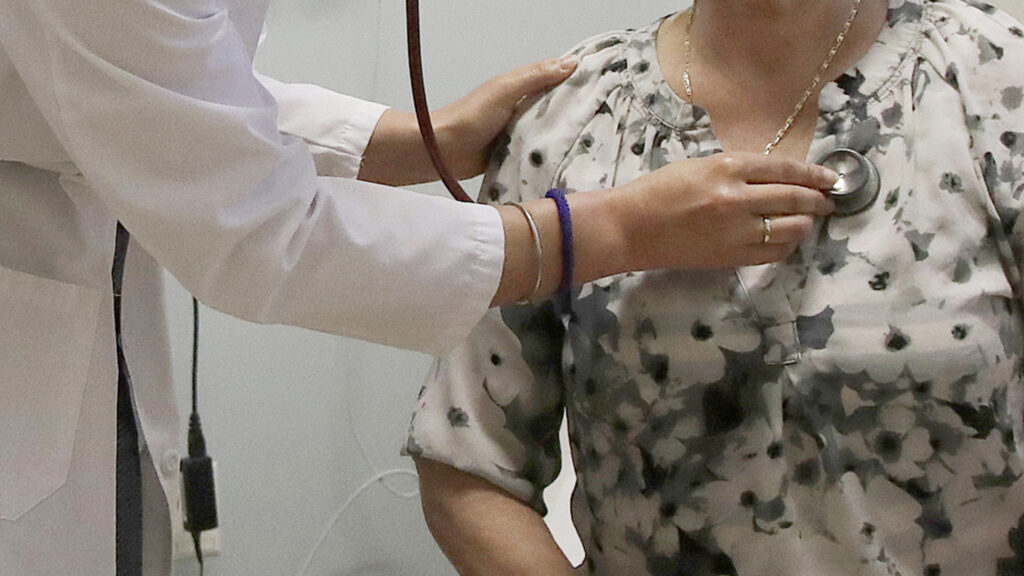
Electronic Health Records Fail to Document Menopause
New research published within the past 24 hours exposes a critical infrastructure problem: electronic health records (EHRs) barely track menopause, despite it being a major health milestone affecting millions of women. This documentation gap hinders personalized clinical care and complicates large-scale research efforts.
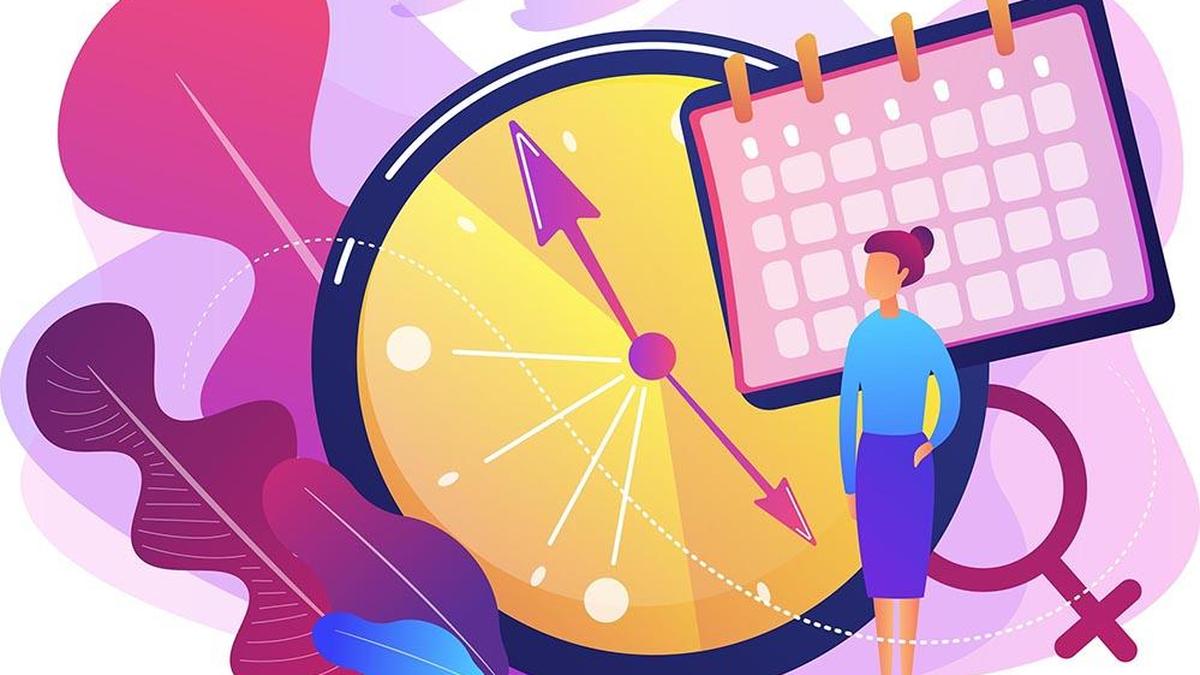
Maternal Health Services Linked to Lower Mortality
A Journal of Global Health study tracking maternal health service coverage across 137 low- and middle-income countries confirms that expanded healthcare services directly correlate with reduced maternal mortality ratios, supporting the link between accessibility and Sustainable Development Goals.

Women's Health Sector Accelerates Investment
Contemporary OB/GYN's September 2026 review highlights growing momentum in women's health innovation, with startup activity expanding across fertility, maternal health, menopause management, and healthy aging—reflecting increasing recognition of longstanding care gaps.

Analysis
This week's convergence of stories reveals a fundamental problem: women's health remains underfunded and poorly documented despite clear evidence that targeted research and infrastructure improvements save lives. The Science journal's call for sex-specific drug testing and disease research directly addresses why women experience longer lifespans but worse health outcomes than men—existing treatments were often developed on male study populations.
The EHR tracking gap is particularly striking: menopause affects roughly 1 billion women globally, yet most medical systems have no standardized way to record it. Without baseline data, clinicians cannot identify patterns, track outcomes, or advocate for improved care standards. This invisibility in the medical record perpetuates the broader "diagnostic odyssey" women face when seeking care.
Maternal health data from low- and middle-income countries demonstrates that solutions exist—better access to services saves lives immediately. The gap now is translating this evidence into consistent policy and funding across all healthcare systems.
What to Watch
- Implementation status of EHR menopause tracking standards in major health systems
- Federal funding announcements for women's health research in response to Science journal advocacy
- Regulatory decisions on medication abortion access and reproductive health funding
This issue covers developments from October 1–3, 2026. Data older than 24 hours has been excluded.
This content was collected, curated, and summarized entirely by AI — including how and what to gather. It may contain inaccuracies. Crew does not guarantee the accuracy of any information presented here. Always verify facts on your own before acting on them. Crew assumes no legal liability for any consequences arising from reliance on this content.
Powered by
