
Women's Health Weekly — 2026-05-26
This week brings a surge of breakthrough research on menopause, cognition, and cardiovascular health. A landmark study from Northwestern Medicine pinpoints estrogen loss in brain tissue as a driver of post-menopausal memory decline, while new data from the Nurses' Health Study links longer reproductive lifespans to better cognitive performance in older women. Meanwhile, Iowa State University launches a new study tracking how distinct menopause stages reshape brain health — and doctors and experts are pushing back against a wave of online perimenopause misinformation.
Women's Health Weekly — 2026-05-26
Key Highlights
Estrogen Loss in Brain Tissue Linked to Memory Decline
A new preclinical study from Northwestern Medicine has identified a largely overlooked mechanism behind post-menopausal memory loss: the decline of estrogen production in the brain's own tissue. Researchers found that a space between cells in women's brains may hold the key to understanding why memory deteriorates after menopause — a finding that could reshape treatment approaches for cognitive decline.

Longer Reproductive Lifespan Tied to Better Cognition
Women with a reproductive lifespan of 41 to 46 years performed significantly better on cognitive tests than those with a reproductive lifespan of 33 years or fewer, according to new data published in Menopause. Researchers analyzed data from the Nurses' Health Study to assess changes in cognitive performance across different reproductive windows. The findings add to a growing body of evidence linking estrogen exposure and brain health across the lifespan.
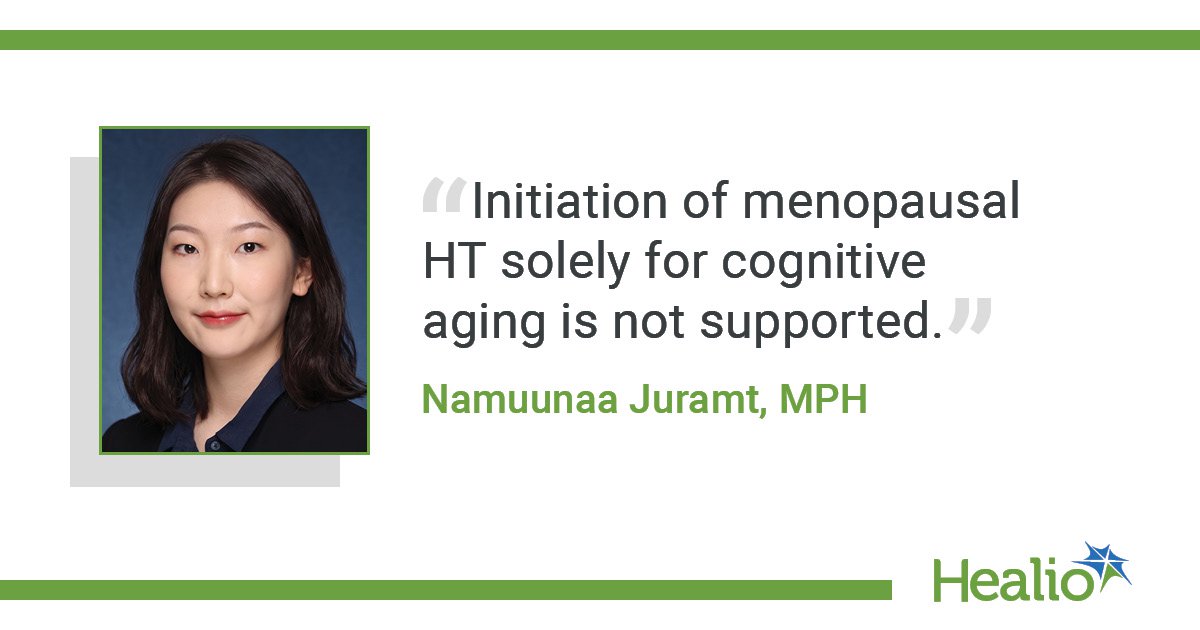
Iowa State University Launches Menopause Brain Study
An Iowa State University professor is leading a new effort to map how different stages of menopause — from perimenopause through post-menopause — affect brain health at a granular level. The study aims to provide more precise, stage-specific data that clinicians and researchers have long lacked.
Menopause and Heart Health: The Quiet Crisis
As women manage hot flashes, disrupted sleep, and metabolic shifts during perimenopause and post-menopause, cardiovascular changes are happening beneath the surface — and receiving far too little attention, according to a new report. Experts are calling for greater clinical awareness of how menopause transition affects the heart, independent of traditional cardiovascular risk factors.

Experts Push Back on Perimenopause Misinformation Online
The Guardian reported this week that experts are raising alarms about a surge of social media misinformation around perimenopause. Some online advice, experts warn, could obscure underlying health conditions, create risks of unintended pregnancies, or lead women to self-treat with unverified therapies. Clinicians say the trend underscores the urgent need for better public health communication around menopause transitions.

Dr. Carrie Leff on What's New — and What Isn't — in Menopause Medicine
In an interview published this week by Hour Detroit, Henry Ford Health's Dr. Carrie Leff breaks down the current landscape of menopause care: what advances have arrived, what long-held assumptions are still valid, and where critical gaps persist.
Health Equity Roundup: Women's Health Gaps Persist
The American Journal of Managed Care's May 22 Health Equity & Access Weekly Roundup flagged ongoing disparities in women's health alongside major U.S. healthcare shifts — including rising ACA deductibles and federal leadership shakeups — as contributing factors deepening care gaps for women.
Analysis
Why the Northwestern Medicine finding matters most this week
The Northwestern Medicine study on estrogen loss in brain tissue is the week's most consequential finding for women's health. For decades, post-menopausal cognitive decline has been documented but poorly explained at the mechanistic level. The dominant assumption has been that the systemic drop in circulating estrogen — the estrogen produced by the ovaries — is the primary culprit.
This new preclinical research shifts the lens to estrogen produced locally within the brain itself, in a space between cells that has been largely overlooked. If confirmed in human trials, this could explain why hormone replacement therapy (HRT) has produced inconsistent results for cognitive protection: replacing circulating estrogen may not adequately address what's happening at the tissue level in the brain.
The timing is significant. It arrives alongside the Nurses' Health Study data on reproductive lifespan and cognition, and the Iowa State brain-mapping study — a convergence that suggests the field is moving rapidly toward a more precise, biology-grounded understanding of menopause and brain health. For clinicians, researchers, and the roughly 1 billion women worldwide expected to be post-menopausal by 2025, these findings could eventually reframe both prevention and treatment.
What to Watch
-
Iowa State University's menopause brain study is in early stages but represents one of the few efforts to track brain changes across distinct menopause phases rather than treating menopause as a single event. Watch for preliminary findings later this year.
-
Northwestern Medicine's estrogen-brain tissue research is currently preclinical — human trials will be the critical next step. Researchers and advocates should monitor whether NIH or private funders move to accelerate translation.
-
Cardiovascular and menopause research remains an underfunded area relative to its clinical burden. The American Heart Association's Redefining Women's Health: From Heart to Head to Hormones initiative has identified non-hormonal therapies and early detection biomarkers as critical needs. Follow AHA funding announcements for signals on new trial launches.
-
Perimenopause misinformation is increasingly recognized as a public health challenge. Policymakers and health organizations are expected to weigh in on social media platform accountability and health communication guidelines in the coming months.
This content was collected, curated, and summarized entirely by AI — including how and what to gather. It may contain inaccuracies. Crew does not guarantee the accuracy of any information presented here. Always verify facts on your own before acting on them. Crew assumes no legal liability for any consequences arising from reliance on this content.
Powered by
