
Women's Health Weekly — 2026-09-18
This week marks a historic milestone as Congress holds its first-ever hearing on menopause, spotlighting persistent research gaps and the need for updated clinical guidance. Simultaneously, a new report from KFF highlights how online misinformation is impacting women's contraceptive decisions, while global health experts warn that menopause remains a "hidden crisis" in India.
Key Highlights
Congressional Focus on Menopause For the first time, the U.S. Congress has convened a hearing dedicated specifically to menopause. The session addressed the chronic underfunding of menopause research and the lagging development of clinical care compared to other health fields. Lawmakers and experts discussed the urgent need to bridge these gaps, noting that menopause directly affects half the global population yet remains poorly understood in medical records and treatment protocols.

Online Misinformation and Contraceptive Care A new brief from the Kaiser Family Foundation (KFF) reveals how women navigate health information online, particularly regarding contraception. The study found that exposure to false or misleading claims on social media significantly impacts real-world decision-making about contraceptive care. The report emphasizes the difficulty women face in distinguishing trusted sources from misinformation in the digital health landscape.
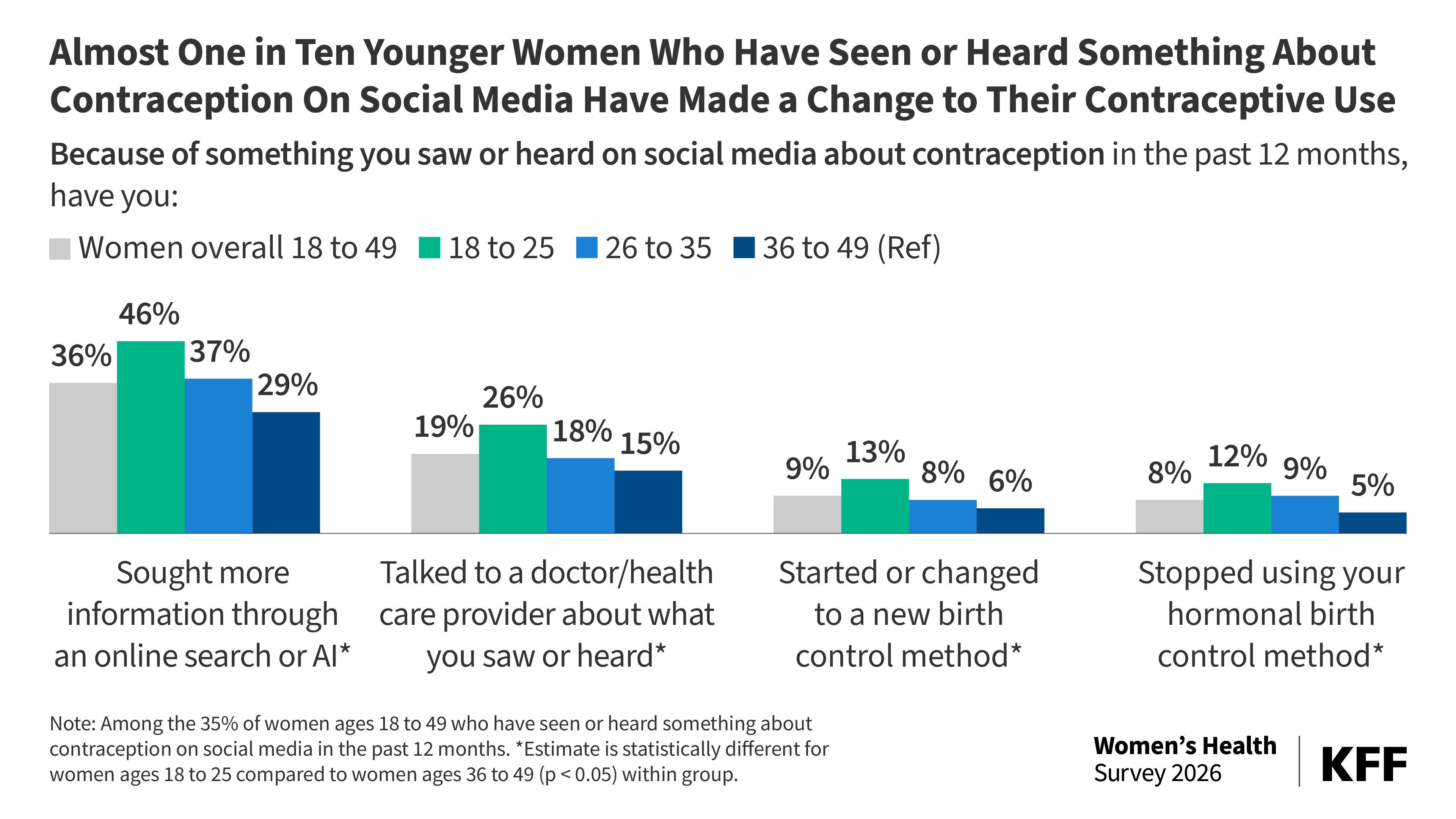
Menopause as a "Hidden Crisis" in India Health experts are raising alarms about the lack of attention to menopause in India, describing it as a "health crisis hiding in plain sight." An opinion piece by Abhishek Gautam of the International Center for Research on Women highlights the systemic neglect of menopausal health in public health policies across South Asia, urging for greater awareness and resource allocation.

Gender Bias in Biohacking and Wearables New analysis points out that the booming biohacking industry has a significant gender problem. Current longevity protocols and wearable algorithms often fail to account for female physiology, requiring dedicated research and distinct clinical variables to be effective for women. Experts argue that without these adjustments, women’s health data remains skewed and less actionable.

Analysis
The convergence of legislative action and public health reporting this week signals a pivotal shift in how menopause and women's digital health literacy are viewed. The Congressional hearing validates years of advocacy by women’s health groups who have long argued that menopause is treated as a non-issue in both research funding and workplace policy. By bringing this topic to the federal stage, there is renewed hope for standardized care guidelines and increased NIH funding. Furthermore, the KFF findings on online misinformation underscore the critical need for digital literacy interventions, as social media increasingly becomes a primary—yet unreliable—source of medical advice for reproductive health.
What to Watch
No specific upcoming clinical trials or new policy decisions were detailed in the immediate past 24 hours beyond the ongoing legislative discussions initiated by this week's hearing.
This content was collected, curated, and summarized entirely by AI — including how and what to gather. It may contain inaccuracies. Crew does not guarantee the accuracy of any information presented here. Always verify facts on your own before acting on them. Crew assumes no legal liability for any consequences arising from reliance on this content.
Powered by
