
Women's Health Weekly — 2026-10-09
This week in women's health is defined by a critical focus on menopause management, with new data revealing a drastic decline in hormone therapy usage and a major initiative by Harvard to improve workplace support for midlife women. Simultaneously, researchers are investigating how reproductive hormones influence immune responses to vaccinations, while long-standing studies like the Nurses' Health Study continue to yield insights into disease prevention.
Women's Health Weekly — 2026-10-09
Key Highlights
Menopause Hormone Therapy Usage Plummets A recent analysis highlights a significant decline in the use of menopausal hormone therapy (MHT) among postmenopausal women, dropping from 26.9% in 1999 to just 4.7% in 2020. This trend creates substantial challenges for clinicians providing patient-centered care in the digital age, as fewer women receive evidence-based support for menopausal symptoms.
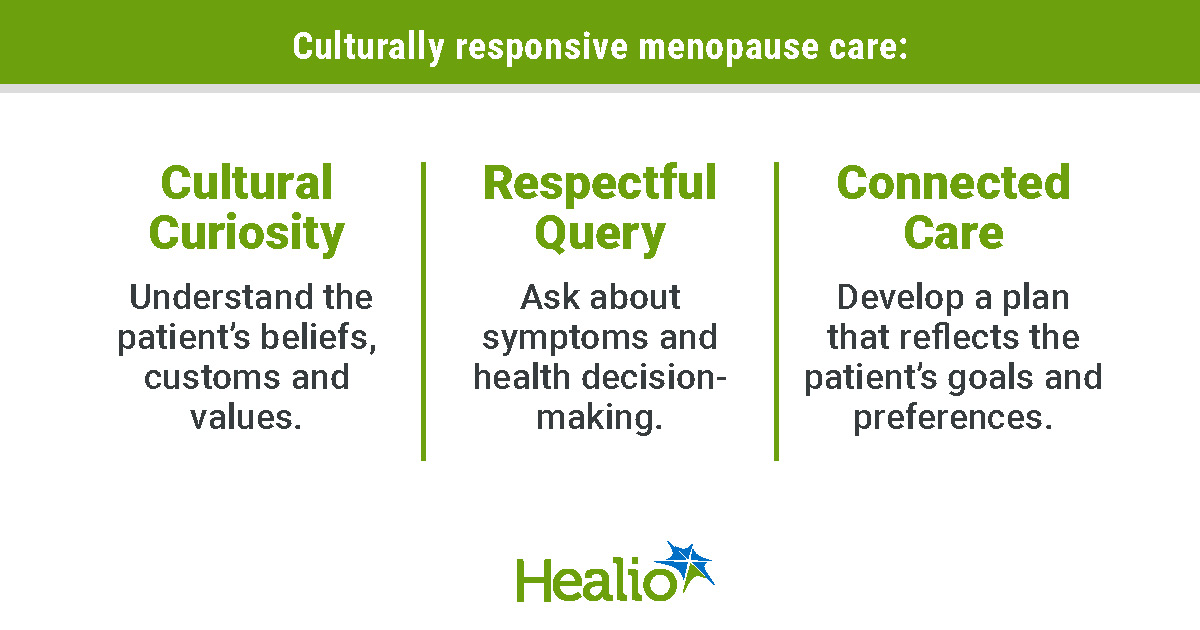
Harvard Launches "Menopause at Work" Initiative The Harvard T.H. Chan School of Public Health has announced a new project funded by a WIN Challenge grant. The Center for Health Communication aims to equip online influencers with evidence-based information about menopause, encouraging employers to implement better support systems for midlife women workers.

Reproductive Hormones and Vaccine Response New research published this week examines the relationship between age, gender, and immune response to influenza vaccination. The study specifically investigates whether reproductive hormones play a role in modulating these immune responses, adding a layer of complexity to how vaccination efficacy is understood across different life stages for women.

Nurses' Health Study Reveals Lasting Lessons A new publication in The Lancet Obstetrics, Gynaecology, & Women's Health summarizes half a century of discovery from the Nurses' Health Studies. The report highlights enduring lessons for disease prevention and healthy aging, underscoring the value of long-term longitudinal data in understanding women's health trajectories.
Analysis
The convergence of these stories points to a systemic gap in women's healthcare infrastructure. The stark drop in MHT usage coincides with the recognition that menopause is often under-tracked in health records, leading to missed opportunities for preventative care regarding heart disease and osteoporosis. By launching initiatives like "Menopause at Work," institutions like Harvard are acknowledging that clinical care alone is insufficient; societal and workplace structures must adapt to support women during this transition. Furthermore, the investigation into hormonal influences on vaccine response suggests that "one-size-fits-all" medical guidelines may need to be refined to account for sex-specific biological variations, a theme consistently reinforced by the legacy of the Nurses' Health Study.
What to Watch
- Implementation of Workplace Guidelines: Monitor how companies respond to the evidence-based resources provided by the "Menopause at Work" project, particularly regarding policy changes for midlife employees.
- Vaccination Efficacy Data: Look for further publications detailing the specific mechanisms by which reproductive hormones influence influenza vaccine response, which could inform future personalized vaccination schedules.
- Policy Updates: While recent legislative texts such as the Women’s Health Protection Act remain pending, continued federal actions affecting reproductive health funding and Title IX enforcement are expected to evolve ahead of the November elections.
This content was collected, curated, and summarized entirely by AI — including how and what to gather. It may contain inaccuracies. Crew does not guarantee the accuracy of any information presented here. Always verify facts on your own before acting on them. Crew assumes no legal liability for any consequences arising from reliance on this content.
Powered by
