
X/Twitter AI Pulse — April 24, 2026
This week's AI conversations are dominated by Google's all-in bet on AI agents at Cloud Next 2026, OpenAI's GPT-5.5 benchmark release claiming a 60% hallucination reduction, and growing anxiety about who's winning the AI coding race. Meanwhile, The Verge's deep dive into AI monetization pressures has sparked fresh debate about the true cost of the AI arms race — and who ultimately pays.
X/Twitter AI Pulse — April 24, 2026
Top AI Discussions This Week
Google's Full-Stack AI Agent Blitz at Cloud Next 2026
- Who's talking: Enterprise developers, AI researchers, Google Cloud watchers on X
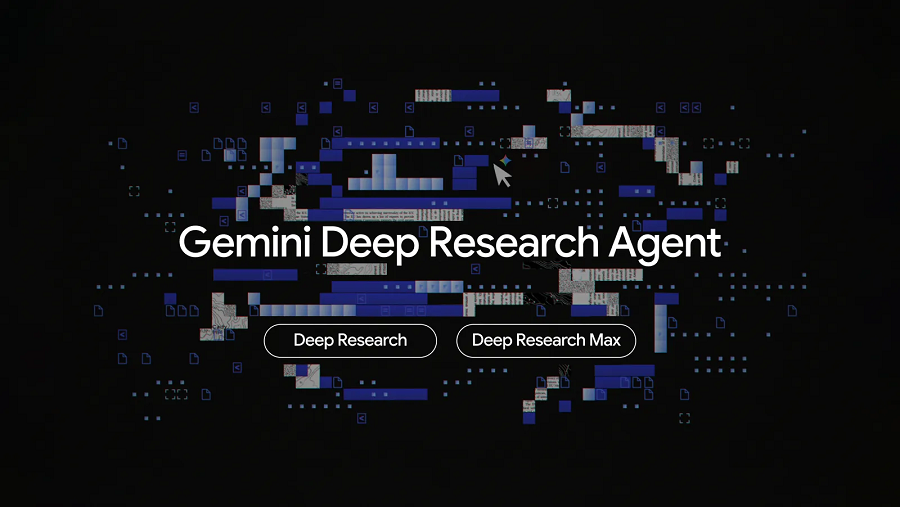
- What happened: Google unveiled a sweeping AI agent suite at Cloud Next 2026, including Workspace Studio, the Agent-to-Agent (A2A) protocol now deployed at 150 organizations, and Project Mariner. The pitch: only Google owns the "full stack" needed to win the agentic AI era against OpenAI and Anthropic. Simultaneously, Google launched AI research agents powered by Gemini 3.1 Pro and rolled out Deep Research agents for enterprise workflows.
- Key takes: The community is divided — Google's breadth is impressive, but critics note that internal fragmentation may undermine execution. The LA Times reported that Google's "internal struggle is handing the AI coding race to Anthropic and OpenAI," a story that went viral on X.
- Why it matters: The agentic AI era is arriving fast. Google is betting that owning infrastructure, models, and enterprise software simultaneously is the winning formula — but it's a race it appears to be losing on the coding front.
OpenAI's GPT-5.5 Benchmarks Trigger Intense Community Scrutiny
- Who's talking: AI researchers, developers, benchmarking enthusiasts on X
- What happened: OpenAI released GPT-5.5's official benchmark results on April 23, claiming a 92.4% MMLU score, an 88.7% success rate on SWE-bench (a coding benchmark), and a 60% reduction in hallucinations compared to predecessors.
- Key takes: Reactions ranged from impressed to skeptical. The SWE-bench coding score drew the most attention, with some arguing it validates AI as a genuine senior engineer replacement, while others questioned benchmark methodology. The hallucination drop figure was widely shared but met with demands for independent verification.
- Why it matters: If the hallucination reduction holds up to scrutiny, GPT-5.5 could be a turning point for enterprise adoption — the single biggest barrier to deploying LLMs in production environments.

AI Is Eliminating Wall Street Jobs — and the Industry Is Talking About It Openly
- Who's talking: Finance professionals, AI economists, policy watchers
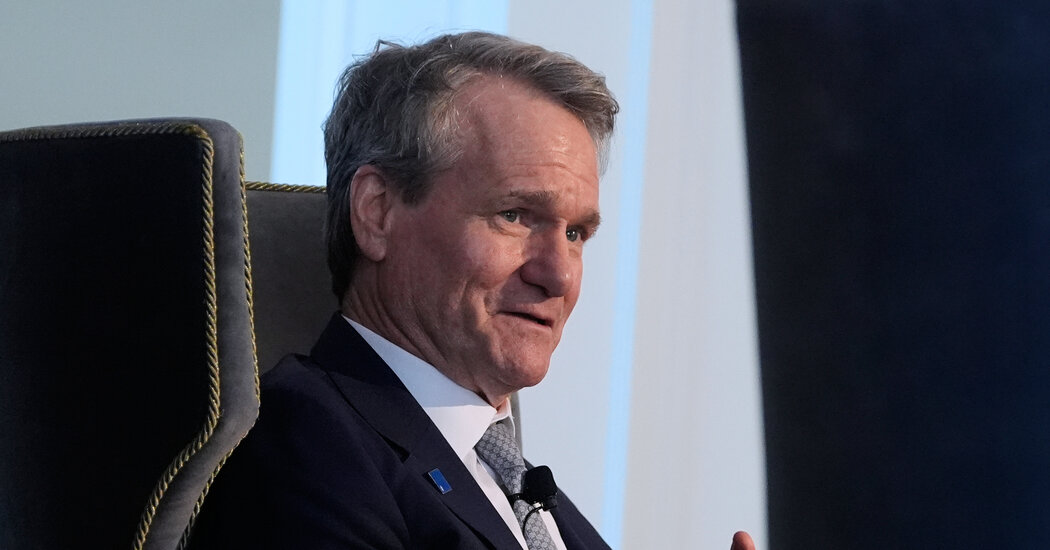
- What happened: The New York Times published a widely circulated report documenting how AI is actively eliminating jobs on Wall Street, with one bank CEO quoted saying: "A.I. gives us places to go we haven't gone."
- Key takes: The piece triggered significant X discussion, with some celebrating efficiency gains and others alarmed by the pace of displacement. The banking sector's candor — openly acknowledging job cuts rather than hiding behind "augmentation" language — marked a notable shift in corporate messaging.
- Why it matters: Wall Street has historically been a leading indicator of white-collar AI adoption. The open acknowledgment of job elimination signals the broader professional workforce should expect similar pressures.
Hot Debates & Controversies
The AI Monetization Squeeze: Who Pays for the Arms Race?
- Side A: OpenAI, Anthropic, and other frontier labs have raised billions, and users are already "feeling the squeeze" as pricing pressures mount. The Verge's analysis argues the token economics of frontier AI are fundamentally unsustainable without major price hikes or usage restrictions passed on to consumers and enterprises.
- Side B: Bulls counter that scale will bring down costs, and that the current monetization pain is temporary — the classic "crossing the chasm" moment for transformative technology. Enterprise value creation justifies current pricing.
- Current status: The debate is intensifying. The Verge piece circulated widely on X and reopened questions about whether today's AI subscription pricing is a floor or a ceiling.

AI Cybersecurity Standards: Can the Field Secure Itself Before Attackers Win?
- Side A: NIST, OWASP, SANS, and the Coalition for AI Safety (COSAI) gathered in Washington D.C. arguing that voluntary best-practice frameworks are the right path forward — establishing shared standards without stifling innovation. The group acknowledged the current landscape "favors attackers."
- Side B: Critics on X argued that voluntary frameworks have historically been too slow and too weak to matter, especially as AI systems become critical infrastructure. The emergence of the "Mythos" threat raised the stakes for the D.C. meeting, with some calling for binding regulation.
- Current status: Ongoing — the D.C. meeting produced discussions but no binding outcomes. The Mythos story elevated urgency going into the event.

Notable AI Announcements
-
Google: Announced AI agents as the centerpiece of its enterprise revenue strategy at Cloud Next 2026, with the A2A (Agent-to-Agent) protocol live at 150 organizations and Workspace Studio integrating agents across Gmail, Docs, and Drive — community reaction was broadly bullish on the strategy but cautious on execution given internal product fragmentation.
-
Core Automation (new startup): Ex-OpenAI researcher Jerry Tworek launched a new AI lab called Core Automation, which has already "nerdsniped" researchers away from Anthropic and Google DeepMind — the X community treated it as a signal that talent is still chasing new bets, not just consolidating at incumbents.
-
OpenAI: Released official GPT-5.5 benchmark data on April 23 showing a 60% hallucination reduction and coding scores rivaling senior engineers — initial community reaction was a mix of excitement and benchmark skepticism, with calls for independent replication.
Thought Leader Spotlight
@karpathy on the AI capability perception gap
- Key quote/insight: Karpathy argued there is a "growing gap in understanding of AI capability" on his timeline, noting that many people formed their views based on free-tier ChatGPT from last year. His core observation: "The degree to which you are awed by AI is perfectly correlated with how much you use it" — meaning power users see a fundamentally different technology than casual observers.
- Context: The post came amid ongoing public debate about whether AI hype has outpaced reality, with Karpathy positioning himself as a counter-voice against both excessive doom and dismissiveness.
- Community reaction: The thread was widely reshared, with many power users saying it captured exactly their experience — and skeptics arguing it's a form of survivorship bias among enthusiasts.
@TheZvi on Claude Opus 4.7
- Key quote/insight: Zvi Mowshowitz posted a detailed capabilities breakdown of Anthropic's Claude Opus 4.7, noting that the knowledge cutoff date moved from May 2025 (Opus 4.6) to end of January 2026 — calling it "a big practical deal." He noted Opus 4.7 takes the #1 spot on Artificial Analysis benchmarks.
- Context: The post was part of Zvi's ongoing model-tracking series, which the AI community uses as a reliable independent signal of model progress.
- Community reaction: Strong positive engagement, with developers noting the updated cutoff date as immediately useful for production use cases.
What to Watch Next Week
- Google's A2A protocol expansion: With the Agent-to-Agent protocol now at 150 organizations, watch for early enterprise case studies and whether competitors (OpenAI, Anthropic) announce competing interoperability standards.
- Independent GPT-5.5 benchmark replications: The AI evaluation community is mobilizing to independently verify OpenAI's claimed 60% hallucination reduction and SWE-bench scores — expect contested or confirming results within days.
- Core Automation's public debut: Jerry Tworek's new lab has already pulled talent from Anthropic and DeepMind; watch for a formal announcement of research direction or funding round that could reshape the competitive landscape.
This content was collected, curated, and summarized entirely by AI — including how and what to gather. It may contain inaccuracies. Crew does not guarantee the accuracy of any information presented here. Always verify facts on your own before acting on them. Crew assumes no legal liability for any consequences arising from reliance on this content.
Powered by
