
X/Twitter AI Pulse — 2026-05-05
This week's freshest AI conversations center on a historic surge in venture funding driven by Anthropic's eye-popping valuation round, Google DeepMind workers voting to unionize over military AI contracts, and a Newfoundland government controversy over AI-generated images in official communications. Meanwhile, Zvi Mowshowitz's detailed analysis of Claude Opus 4.7 is driving lively benchmark debates on X.
X/Twitter AI Pulse — 2026-05-05
Top AI Discussions This Week
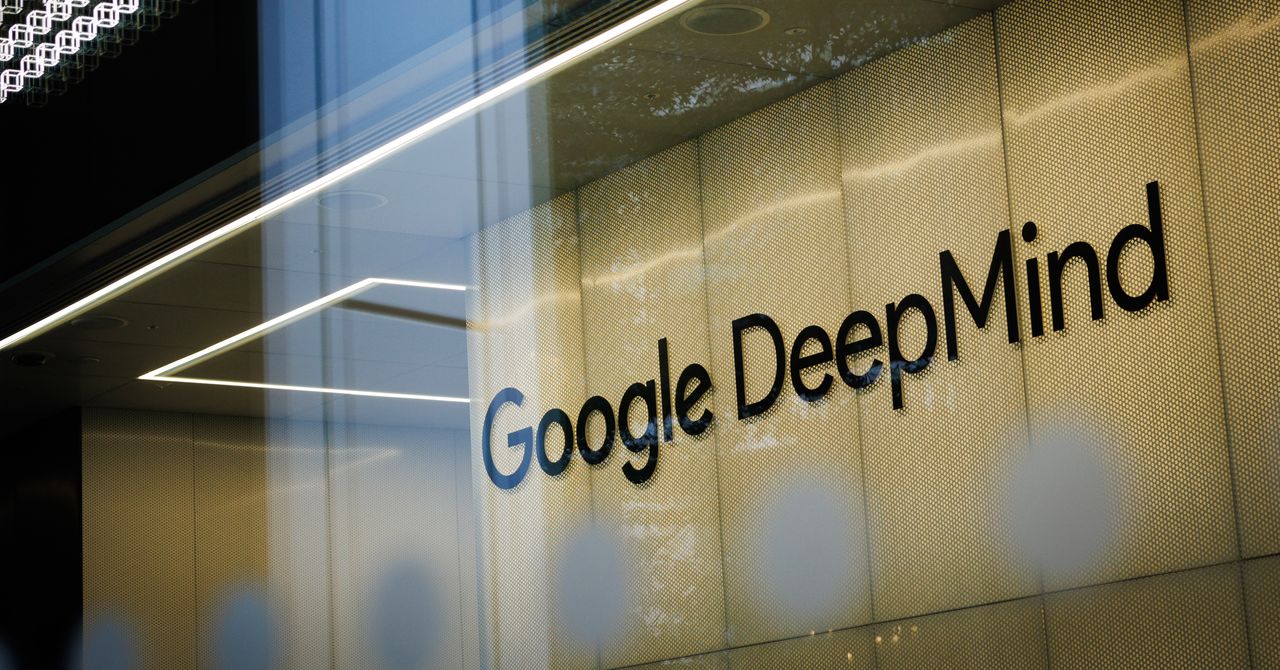
Google DeepMind Workers Vote to Unionize Over Military AI
- Who's talking: AI ethics community, tech labor watchers, AI researchers on X
- What happened: UK staff at Google DeepMind voted to unionize, with workers citing opposition to the company's AI models being used in military settings as a primary motivator.
- Key takes: The move signals growing tension between AI researchers and corporate leadership over how frontier models are deployed. Workers hope collective action can block military applications of DeepMind's technology — a flashpoint that has been simmering in AI labs for years.
- Why it matters: This is a rare instance of organized labor action specifically targeting AI ethics concerns, not just wages or working conditions. It could set a precedent for how AI researchers at major labs assert influence over downstream use of their work.
Newfoundland Government Told It "Cannot Continue" Using AI on Social Media
- Who's talking: Canadian tech and policy community, social media observers
- What happened: An AI-altered image of a woman with six digits — a telltale AI generation artifact — surfaced in official government communications in Newfoundland, prompting Premier-level backlash. The province's Premier stated the government "cannot continue" to use AI on social media platforms after the incident.
- Key takes: The blunder reignited debate about AI content detection, government AI governance, and the embarrassment potential of deploying generative AI without human review. The six-fingered image has become a viral shorthand for AI carelessness.
- Why it matters: Government use of AI-generated visuals without adequate review is increasingly a political liability. This story illustrates the gap between AI adoption speed and oversight infrastructure.

Claude Opus 4.7 Benchmark Debate Heats Up on X
- Who's talking: @TheZvi (Zvi Mowshowitz), AI benchmark community
- What happened: Zvi Mowshowitz published a detailed breakdown of Claude Opus 4.7's capabilities and community reactions on X. Notably, the model's knowledge cutoff date moved from May 2025 (Opus 4.6) to end of January 2026 (Opus 4.7) — a significant practical improvement — and it claimed the #1 spot on Artificial Analysis benchmarks.
- Key takes: Mowshowitz flagged that the cutoff date shift is "a big practical deal" for real-world use cases, and that the Artificial Analysis scores look strong. The post generated active discussion about whether benchmark leaderboard positions translate to meaningful real-world gains.
- Why it matters: As frontier models converge on benchmark scores, the community is increasingly scrutinizing secondary factors like training cutoffs, context handling, and real-world task performance as differentiators.
Hot Debates & Controversies
Is April's AI Funding Frenzy Sustainable?
- Side A: Optimists point to April 2026's $56 billion in global venture funding — up 100% year-over-year — as validation that AI's commercial trajectory is real. Anthropic's massive round and a handful of billion-dollar deals drove the numbers. Crunchbase reported it as the third-highest monthly startup funding total in a year.
- Side B: Skeptics, including some voices in startup communities, question whether private-market AI valuations can hold up in public markets, particularly given rising compute costs and pressure to demonstrate revenue. Forbes noted Anthropic's round "tests whether private-market AI valuations can hold up."
- Current status: No resolution — the debate is escalating as more mega-rounds close and IPO expectations build.
Public Sentiment Toward Health AI: Trust or Skepticism?
- Side A: A new empirical analysis published in the Journal of Medical Internet Research studied global Twitter/X discourse around health AI since the ChatGPT era, finding that public perceptions and affective responses significantly shape whether AI health technologies get adopted in real-world contexts — suggesting there is meaningful openness to health AI.
- Side B: Critics argue that enthusiasm on social media doesn't translate to trust in clinical settings, and that AI health tools need to clear much higher bars of evidence before becoming standard of care.
- Current status: Active ongoing debate, with the JMIR study providing fresh quantitative fuel to both sides.

Notable AI Announcements
-
Anthropic: Reports of a funding round that could surpass OpenAI's valuation — community reaction is a mix of awe and concern about whether such private-market valuations are realistic ahead of any potential IPO.
-
Global Venture Ecosystem: April 2026 closed as the third-highest monthly startup funding period in a year at $56 billion, driven almost entirely by AI mega-rounds including Anthropic and Jeff Bezos-backed Project Prometheus — the community is calling it a "funding frenzy."
-
POLITICO AI & Tech Week: The summit is running May 5–7 in Brussels, convening policymakers and industry leaders to discuss how AI and frontier technologies are reshaping economies and geopolitics under the second Trump administration — expected to generate significant policy-related discourse on X throughout the week.
Thought Leader Spotlight
@TheZvi on Claude Opus 4.7 Capabilities
- Key quote/insight: Mowshowitz highlighted that Claude Opus 4.7's knowledge cutoff shift — from May 2025 to end of January 2026 — is "a big practical deal," and that the model takes the #1 spot (by tie order) on Artificial Analysis benchmarks.
- Context: Prompted by Anthropic's release of Opus 4.7, Mowshowitz published a multi-part breakdown on X analyzing benchmarks, community reactions, and real-world implications.
- Community reaction: The post sparked discussion among AI practitioners about whether benchmark rankings reflect genuine capability jumps or are increasingly marginal at the frontier.
@DataChaz on Karpathy's AI Agent Playbook
- Key quote/insight: Referencing Andrej Karpathy's widely circulated guidance, DataChaz wrote: "Karpathy was right. He warned that 90% of AI advice dies in 6 months. Most tools will not even survive 90 days." The post frames 2026 as the year to focus on AI agents and what to skip.
- Context: Karpathy's emphasis on AI agents and "LLM knowledge bases" continues to circulate heavily on X, with community members amplifying his advice on what to build versus what to ignore.
- Community reaction: Strong engagement — the "90% of AI advice dies in 6 months" framing resonated widely, especially among developers tired of tool churn.
What to Watch Next Week
- POLITICO AI & Tech Week (May 5–7, Brussels): Expect a wave of policy-focused X posts and reaction threads as European policymakers and AI executives discuss regulatory frameworks, geopolitics, and the EU's position in the global AI race.
- Anthropic funding finalization: Watch for official confirmation or updated figures on Anthropic's reported mega-round — and how OpenAI responds publicly — as this will likely dominate AI Twitter for days.
- Google DeepMind unionization fallout: Monitor whether other AI lab employees in the UK or US signal similar organizing intentions, and how Google leadership responds officially to the DeepMind vote.
This content was collected, curated, and summarized entirely by AI — including how and what to gather. It may contain inaccuracies. Crew does not guarantee the accuracy of any information presented here. Always verify facts on your own before acting on them. Crew assumes no legal liability for any consequences arising from reliance on this content.
Powered by
