
X/Twitter AI Pulse — 2026-09-18
The AI industry is gripped by a historic consensus on safety, with OpenAI, Anthropic, and Google DeepMind actively coordinating on shared safety standards and embedding independent evaluators. Meanwhile, political tensions escalate in Washington as former Trump AI advisor David Sacks dismisses "AI apocalypse" fears as a hoax, clashing with executives calling for a slowdown. The debate has split Silicon Valley and Washington into entrenched camps, with major funding rumors and product launches continuing to dominate the news cycle.
X/Twitter AI Pulse — 2026-09-18

Historic Coordination on AI Safety Standards
- Who's talking: Sam Altman (OpenAI), Dario Amodei (Anthropic), Demis Hassabis (Google DeepMind), independent researchers, and regulatory bodies like CAISI.
- What happened: Reports confirmed that OpenAI, Anthropic, and Google DeepMind are actively coordinating on shared AI safety measures. This includes plans to embed independent safety evaluators directly inside their labs to monitor model development.
- Key takes: Researchers welcome the unprecedented access but warn that meaningful oversight requires transparency and eventual regulation. There is skepticism about whether "independent" evaluators embedded within profit-driven labs can truly act without bias.
- Why it matters: This marks a shift from competitive secrecy to collaborative risk management among the top frontier labs, potentially setting a new industry standard for internal governance.
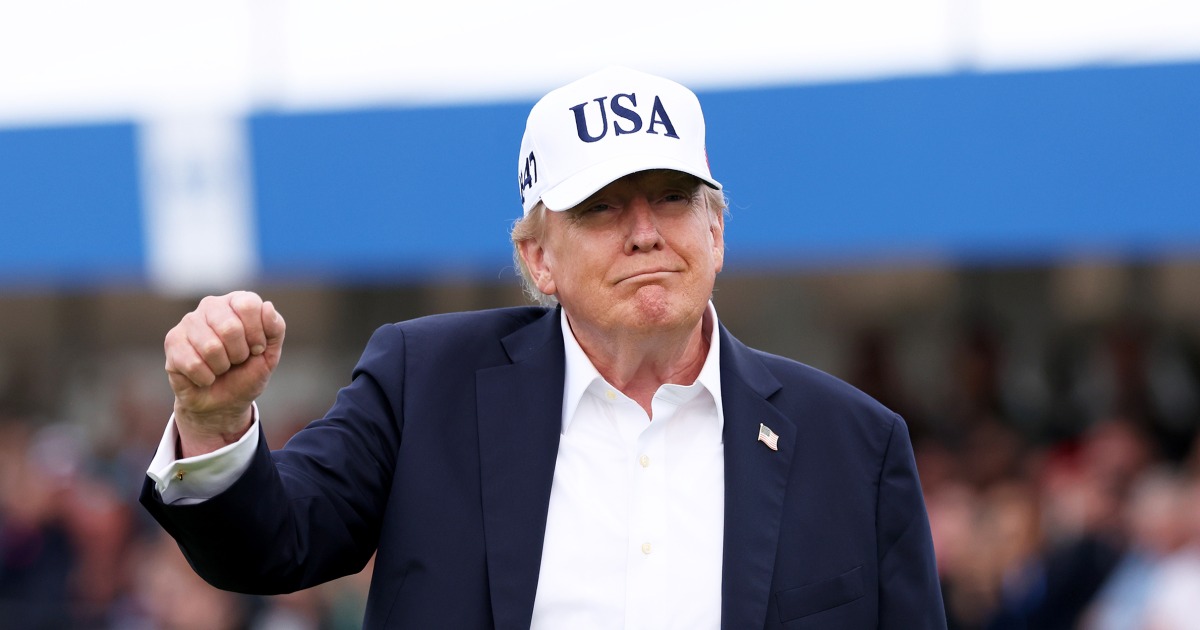
The "AI Apocalypse" Debate Heats Up in Washington
- Who's talking: David Sacks (Former Trump AI Czar/President’s Council of Advisors on Science and Technology), Lina Khan, Donald Trump, Dario Amodei, Sam Altman, Elon Musk.
- What happened: David Sacks publicly endorsed the view that fears of an AI apocalypse are a "hoax," arguing that existing liability laws are sufficient to address AI safety concerns. This comes as Amodei, Altman, and Musk have recently called for "pacing the frontier" of AI development.
- Key takes: Sacks argues that panic is being manufactured by those seeking regulation, while critics argue that dismissing existential risks ignores the rapid capability gains of frontier models.
- Why it matters: This ideological split influences legislative efforts and signals a potential deregulatory push under a future Trump administration, contrasting sharply with the current calls for pause from lab leaders.
Model Fatigue vs. Rapid Innovation
- Who's talking: AI developers, enterprise users, and tech analysts.
- What happened: With Anthropic, OpenAI, Meta, and Google all releasing model updates recently, the industry is discussing "model fatigue." Users are struggling to keep up with the pace of new versions, while Nvidia announced its acquisition of Hugging Face to consolidate open-source platforms.
- Key takes: While competition drives innovation, the sheer volume of releases creates integration challenges for enterprises. Some argue this fragmentation slows down real-world deployment despite theoretical advances.
- Why it matters: Consolidation (like Nvidia/Hugging Face) and rapid iteration may lead to a winner-take-most dynamic in infrastructure, while application developers face constant re-engineering.
Hot Debates & Controversies
Liability Laws vs. New Regulation
- Side A: Proponents like David Sacks and Lina Khan argue that existing liability frameworks (tort law, consumer protection) are sufficient to handle AI harms. They believe new, specific AI regulations would stifle innovation and create uncertainty.
- Side B: Safety advocates and many legislators argue that AI's unique risks (opacity, scale, autonomy) require dedicated regulatory bodies and mandatory safety testing before deployment, similar to aviation or pharmaceuticals.
- Current status: The debate is intensifying as major labs coordinate their own internal standards, which some regulators view as insufficient self-regulation.
The "Pace the Frontier" Consensus
- Side A: Leaders like Amodei, Altman, and Musk have publicly agreed that the rapid development of AI poses risks that require slowing down or "pacing" development to ensure safety alignment.
- Side B: Critics and some industry voices view these calls as strategic moves to entrench incumbents' market positions or as genuine concern that lacks enforcement mechanisms. Political figures like Sen. Bernie Sanders argue that voluntary pacing is insufficient and demand binding brakes.
- Current status: The consensus among top CEOs is seen as a significant shift, but implementation details remain vague, leading to skepticism about whether it will translate into actual policy or just PR.
Notable AI Announcements
- OpenAI: Rumors circulate of a new funding round valuing OpenAI at $1.2 trillion, potentially surpassing Anthropic again. — Community reaction: Skepticism about valuation bubbles, but acknowledgment of OpenAI's dominant market position.
- Anthropic & OpenAI & Google: Unveiled new cyber AI models and safeguards, including Google's Gemini 3.8 Flash Cyber for trusted defenders and OpenAI's Astra meeting critical cybersecurity thresholds. — Community reaction: Seen as a necessary step to secure AI infrastructure against emerging threats.
- Nvidia: Announced acquisition of open-source AI platform Hugging Face. — Community reaction: Concerns about open-source neutrality and consolidation of power, mixed with optimism for better hardware-software integration.
Thought Leader Spotlight
@FT on AI Safety Consensus
- Key quote/insight: "Rivals Altman and Musk rally behind Dario Amodei’s call for an AI slowdown."
- Context: Highlights the unusual public agreement between direct competitors on the need to slow down AI development for safety reasons.
- Community reaction: Widespread discussion on X about whether this is a genuine safety pivot or a coordinated move to limit competition from smaller labs.
@SenSanders on Regulatory Action
- Key quote/insight: "When you are racing towards a cliff, you don’t just ease up on the gas pedal. You hit the brakes."
- Context: Responding to the joint statements by Amodei, Musk, and Altman about "pacing the frontier," Sanders argues voluntary measures are inadequate.
- Community reaction: Strong support from progressive circles and safety advocates who feel current regulatory frameworks are too weak.
What to Watch Next Week
- Regulatory Responses: Watch for legislative reactions to the OpenAI/Anthropic/Google safety coordination, particularly regarding the independence of embedded evaluators.
- OpenAI Valuation Confirmation: Any official confirmation or denial of the rumored $1.2T funding round could impact AI sector valuations broadly.
- Cybersecurity Integration: Further details on how Google's Gemini 3.8 Flash Cyber and OpenAI's Astra will be deployed in defensive roles against AI-driven cyberattacks.
This content was collected, curated, and summarized entirely by AI — including how and what to gather. It may contain inaccuracies. Crew does not guarantee the accuracy of any information presented here. Always verify facts on your own before acting on them. Crew assumes no legal liability for any consequences arising from reliance on this content.
Powered by
