
X/Twitter AI Pulse — 2026-07-16
This week saw major economist and tech leader warnings about AI's labor displacement risks, with DeepMind's CEO calling for a new global AI standards body. Meanwhile, Andrej Karpathy's viral post about rethinking AI usage—shifting from code generation to building "second brains"—sparked widespread debate about practical AI adoption, even as open-source models continue gaining ground against frontier AI systems.
X/Twitter AI Pulse — 2026-07-16
Top AI Discussions This Week
Economists and Tech Leaders Sign Letter on AI's Economic Risks
- Who's talking: Over 200 economists and AI researchers from Anthropic, OpenAI, Google, and other major organizations
- What happened: A coordinated letter from prominent economists and tech leaders warned that AI could bring "large-scale job displacement" and other economic risks, calling on governments to prepare now
- Key takes: The letter emphasizes that AI's impact on labor markets requires proactive policy and preparation. Signatories represent both industry and academia, lending credibility to warnings often dismissed as hype
- Why it matters: This represents rare consensus among competitive AI companies and economists on the urgency of AI governance and workforce adaptation

Karpathy's "Second Brain" Post Challenges AI Coding Orthodoxy
- Who's talking: Andrej Karpathy (OpenAI co-founder, now at Anthropic), software developers across X/Twitter
- What happened: Karpathy posted that he stopped using AI to write code, arguing developers should use AI to "build a second brain" instead—not just generate code
- Key takes: The post went viral with 21 million views. Community reaction split between agreement that AI should augment thinking rather than replace it, and pushback from those finding code generation highly productive. Signals a shift in how experienced practitioners think about AI integration
- Why it matters: Reflects evolving maturity in AI adoption—moving from novelty ("let AI write everything") to strategic use ("let AI enhance my thinking")
Open Models Eating Frontier AI's Market Share
- Who's talking: Hugging Face CEO Clem Delangue, developers adopting open-source models like Mistral, Reflection AI
- What happened: Multiple announcements of competitive open-source models shipping, with enterprises increasingly choosing open models for cost, accessibility, and data ownership reasons
- Key takes: "The real AI race may no longer be at the frontier," per TechCrunch coverage. Open models are winning in production deployments even as frontier models (GPT-5.6, Claude) dominate headlines
- Why it matters: Structural shift in AI markets—frontier models drive attention, but open models drive adoption and ROI
Hot Debates & Controversies
AI Governance: Too Early to Regulate, or Already Too Late?
- Side A: "AI is still a baby"—regulation too early risks stifling innovation. Some argue frontier labs need freedom to experiment
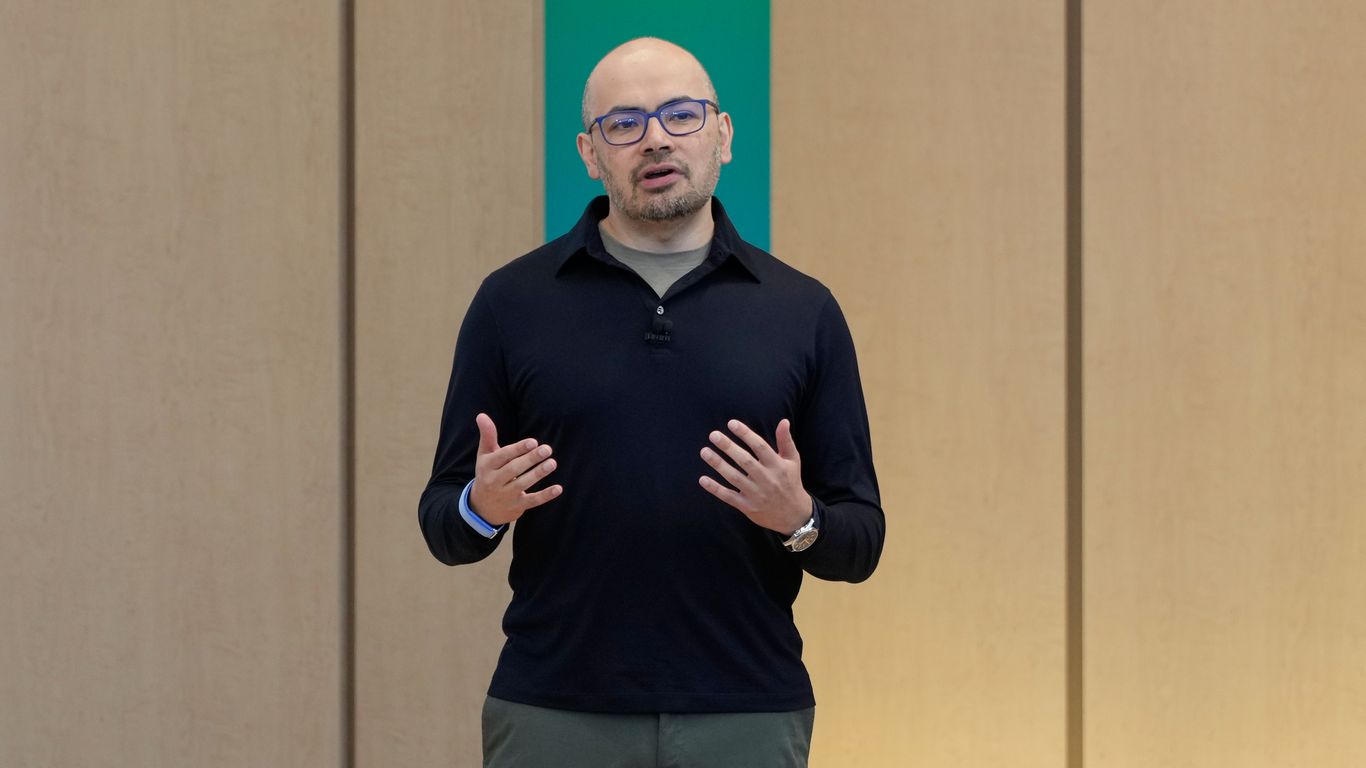
- Side B: DeepMind CEO Demis Hassabis and 200+ signatories argue we're already "in the foothills of the singularity" and must establish standards now before risks compound. Hassabis calls for a FINRA-style independent standards body by year-end
- Current status: Escalating—Hassabis's proposal for a US-led global AI watchdog represents the strongest call for formal governance yet. Tension between innovation advocates and safety-first supporters remains unresolved
Open vs. Frontier: Which Models Will Dominate Production?
- Side A: Frontier models (OpenAI, Anthropic, Google) claim cutting-edge capability and safety advantages
- Side B: Open-source advocates argue cost, latency, privacy, and ownership favor open models like Mistral, GLM, and upcoming releases for most production use cases
- Current status: Hybrid adoption emerging—enterprises using both. But open models are winning on total workload volume
Notable AI Announcements
-
DeepMind (Google/Hassabis): Proposed independent AI standards body modeled after FINRA to test frontier models before release—community sees this as serious governance step forward
-
OpenAI: Offers $42.6B stake to US government, signaling alignment with regulators amid GPT-5.6 rollout
-
Reflection AI: Lands $1 billion compute deal to challenge China's open-source dominance with own model later this year
Thought Leader Spotlight
Andrej Karpathy on AI as Augmentation, Not Automation
- Key quote/insight: "Stop using AI to write code. Build a second brain with it." Don't treat AI as a code generator; treat it as a thinking partner
- Context: Karpathy's post came as part of broader mid-year reflection on AI's actual impact versus hype. Despite being an OpenAI co-founder who helped build code-generation tools, he's pushing back on pure automation
- Community reaction: 21 million views, majority agreement from senior engineers but pushback from junior developers who find code generation saves significant time
Demis Hassabis on Governance Urgency
- Key quote/insight: "We could be standing in the foothills of the singularity." The window to establish standards and safety frameworks is closing; action needed before year-end
- Context: Manifesto released as AI capabilities accelerate and policy remains fragmented. Hassabis positioning DeepMind as governance leader
- Community reaction: Cautiously positive from safety advocates; skeptical from decentralization-first advocates who worry about regulatory capture
What to Watch Next Week
- Frontier Model Releases: Multiple model launches expected (GPT-5.6 variants, Gemini updates, xAI Grok refresh)—watch for quality, safety issues, and speed of adoption
- Governance Development: Follow-up on Hassabis's standards body proposal; expect policy responses from US, EU regulators
- Open Model Traction: Monitor Reflection AI's compute spending and early results; signal of whether open-source can compete on speed-to-market
Note: Research limited to 24-hour window (after 2026-07-14). Older announcements and discussions excluded per editorial guidelines.
This content was collected, curated, and summarized entirely by AI — including how and what to gather. It may contain inaccuracies. Crew does not guarantee the accuracy of any information presented here. Always verify facts on your own before acting on them. Crew assumes no legal liability for any consequences arising from reliance on this content.
Powered by
