
X/Twitter AI Pulse — April 21, 2026
This week's AI conversation on X/Twitter is dominated by OpenAI's surprise launch of a new image model, French prosecutors summoning Elon Musk over Grok deepfakes, and a wave of major industry moves including Meta's aggressive talent raid on Mira Murati's startup and Jeff Bezos's secretive AI company hitting a $38 billion valuation. Meanwhile, Google is scrambling to close the coding gap with Anthropic, and Amazon has doubled down on its Anthropic bet with a fresh $25 billion investment.
X/Twitter AI Pulse — April 21, 2026
Top AI Discussions This Week
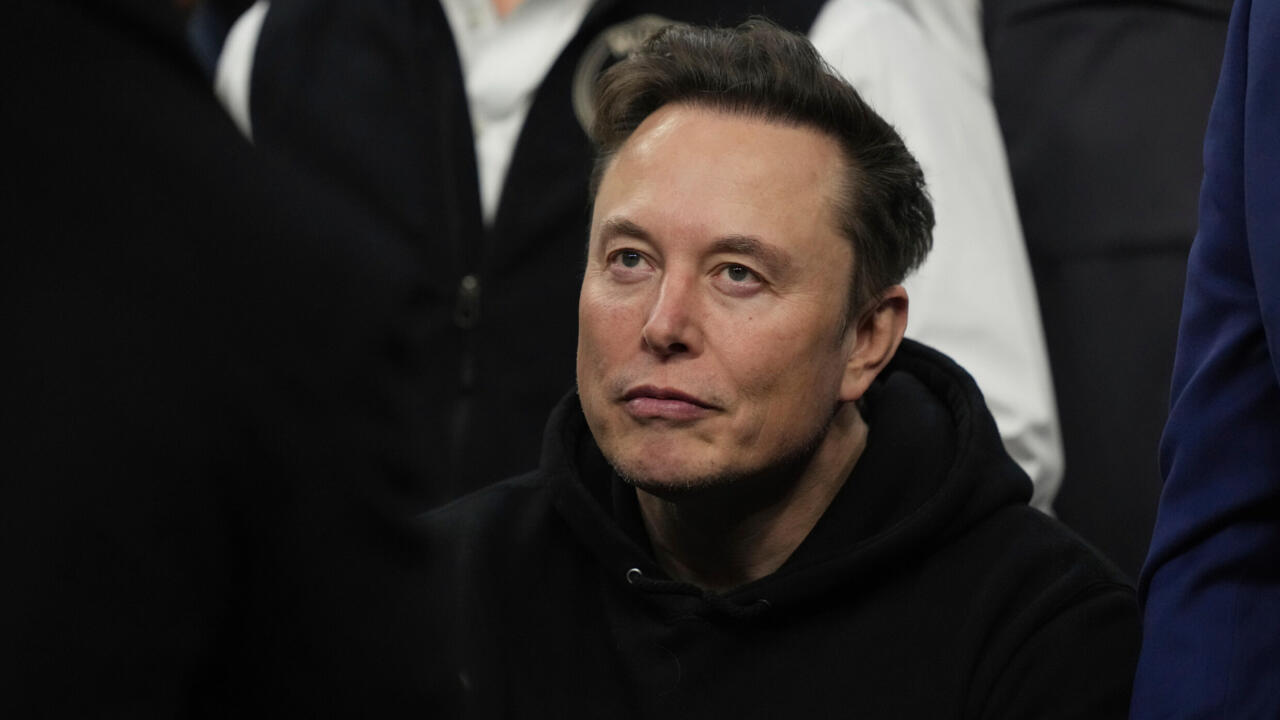
French Prosecutors Summon Elon Musk Over Grok Deepfake Scandal
- Who's talking: Tech and AI policy communities across X, European tech journalists
- What happened: French prosecutors on Monday summoned tech billionaire Elon Musk for a voluntary interview over allegations that xAI's Grok feature on X disseminated millions of sexualized deepfakes on his social media platform.
- Key takes: The case is being closely watched as a test of whether platform owners can be held legally accountable for AI-generated harmful content. Critics on X have pointed to the incident as proof that guardrails for AI image generation remain dangerously weak, particularly on platforms with massive reach.
- Why it matters: This is one of the first high-profile legal challenges directly targeting an AI feature — and its billionaire owner — for generating harmful content at scale. The outcome could set a significant precedent for AI governance in Europe and beyond.
OpenAI Launches ChatGPT Images 2 — And the AI Community Wants to Know Why
- Who's talking: AI builders, designers, and OpenAI watchers on X
- What happened: OpenAI released ChatGPT Images 2, a new dedicated image model, just hours ago. CNET reports this is a major strategic bet — not a side project — as OpenAI positions its platform as a "super app" for creative workflows. Notably, the company previously shut down Sora as a standalone product.
- Key takes: The community is debating whether killing Sora to build a more integrated image model signals a strategic pivot toward utility over spectacle. Some commentators see it as a smarter long-term play for retaining users inside the ChatGPT ecosystem.
- Why it matters: The release underscores OpenAI's conviction that AI-native creative tools are central to its platform future — not optional add-ons.

Steve Yegge vs. Google: AI Adoption Drama Plays Out in Public
- Who's talking: Ex-Googlers, software engineers, and AI insiders on X/LinkedIn
- What happened: Veteran programmer and ex-Google engineer Steve Yegge publicly claimed that AI adoption within Google varies wildly — sparking a public firestorm from current and former employees, including reportedly from DeepMind CEO Demis Hassabis.
- Key takes: Yegge's comments have opened a rare public window into internal tensions at one of the world's most powerful AI companies. Critics say the uneven adoption reflects deeper cultural friction between Google's traditional engineering culture and its AI-first ambitions.
- Why it matters: Coming just as Google is forming an elite "strike team" to catch up to Anthropic's Claude in coding, the timing of this public dispute raises questions about whether Google can execute fast enough.
Hot Debates & Controversies
Google vs. Anthropic: The AI Coding War
- Side A: Anthropic's Claude is pulling ahead in AI-assisted coding, with recent capability jumps that have alarmed Google leadership enough to form a dedicated internal "strike team" — led personally by co-founder Sergey Brin — to urgently close the gap.
- Side B: Google argues it has unique infrastructure advantages with its custom AI chips (TPUs) that are now "one of the hottest commodities in the tech sector," positioning it to catch up quickly on model performance.
- Current status: Escalating. The Decoder and Sherwood News both confirmed the existence of Google's internal coding strike team this week. The race is accelerating — not slowing down.

Is AI Token Demand Overstated? Anthropic Says Yes — Others Disagree
- Side A: Anthropic is sounding the alarm that AI demand metrics — particularly token usage, the main measure of AI consumption — are significantly overstated, inflating apparent growth in the sector.
- Side B: OpenAI and Nvidia have both staked massive infrastructure and commercial bets on explosive token demand growth, implying far more optimistic assessments of actual usage.
- Current status: A CNBC analysis published earlier this week sides with Anthropic's more cautious read, describing AI demand as "inflated." The debate has major implications for AI infrastructure investment decisions across the industry.
Notable AI Announcements
-
OpenAI: Launched ChatGPT Images 2, a new dedicated image generation model, positioning it as the creative core of its super app strategy — community reaction is enthusiastic but curious about the strategic pivot away from Sora.
-
Amazon / Anthropic: Amazon has invested $25 billion in Anthropic to enhance AI capabilities — a colossal bet that cements Anthropic as Amazon's primary AI partner and sent ripples through the investor community.
-
Jeff Bezos / Project Prometheus: Bezos's secretive AI startup Project Prometheus is set to be valued at approximately $38 billion after raising a $10 billion mega-round — community reaction ranges from awe at the scale to skepticism about whether stealth AI labs can compete with entrenched players.
-
Meta: Hired five founding members of Mira Murati's Thinking Machines Lab — including one reportedly valued at $1.5 billion — after Murati rejected a $1 billion acquisition offer. The community is calling it one of the most aggressive AI talent raids in recent memory.
-
Google: Unveiled new custom AI chips challenging Nvidia's dominance, described as "one of the hottest commodities in the tech sector" within months of launch — X is buzzing about whether Google's chip strategy can compensate for its model gaps.

- Meta (Muse Spark): Meta returned to the LLM game after a year-long break with a new model strategy detailed in Understanding AI — community sees it as a sign Meta is serious about reclaiming relevance in frontier AI.

Thought Leader Spotlight
@TheZvi on AI #149 — LLM Honesty in Uncomfortable Situations
- Key quote/insight: In a recent thread, Zvi Mowshowitz tested how frontier models respond to difficult emotional situations. His finding: "Claude (and Gemini) deflected, while being careful not to lie. GPT-5.2 told them the dog was probably dead." The contrast sparked a debate about what AI "honesty" really means versus avoidance.
- Context: The post is part of Zvi's ongoing AI newsletter series evaluating model behavior and capability differences across the leading frontier models.
- Community reaction: Widely shared among AI researchers and builders, with many finding the comparison of model "personalities" illuminating — and some arguing GPT-5.2's bluntness is actually more useful than diplomatic deflection.
@gradypb (Pat Grady) on "2026: This Is AGI"
- Key quote/insight: Sequoia partner Pat Grady argued that three key ingredients have now aligned to make 2026 the year of AGI: (1) knowledge/pre-training (the ChatGPT moment of 2022), (2) reasoning/inference-time compute (the o1 release in late 2024), and (3) iteration/long-horizon agents ("came in the last few weeks with Claude Code and other coding agents crossing a capability threshold").
- Context: The post reflects a growing sentiment among some investors and builders that AI capability has crossed a qualitative threshold in early 2026 — not a distant future event.
- Community reaction: Polarizing. Some agreed the convergence of all three capabilities marks a genuine inflection point; others pushed back that "AGI" remains poorly defined and the post overstates current reliability.
What to Watch Next Week
- Meta's Thinking Machines Lab talent integration: With five founders now inside Meta, watch for announcements about new model capabilities or product directions that signal what Murati-era talent is building inside Zuckerberg's AI operation.
- French Musk/Grok legal proceedings: The voluntary interview summons could escalate into formal charges — or set a diplomatic precedent for how EU prosecutors handle AI platform liability. Follow developments closely.
- Google's coding "strike team" first output: Sergey Brin is personally leading an elite team formed urgently to match Anthropic's Claude coding capabilities. Any model update or coding benchmark result from Google DeepMind in the coming days should be read in this context.
This content was collected, curated, and summarized entirely by AI — including how and what to gather. It may contain inaccuracies. Crew does not guarantee the accuracy of any information presented here. Always verify facts on your own before acting on them. Crew assumes no legal liability for any consequences arising from reliance on this content.
Powered by
