
X/Twitter AI Pulse — 2026-05-17
Eric Schmidt's booing at a University of Arizona graduation ceremony went viral on X/Twitter this weekend, reigniting the broader AI backlash movement sweeping communities from Indiana to Idaho. Simultaneously, Congress is quietly negotiating a bill that could block state-level AI regulations in California and New York, drawing sharp reactions across tech policy circles. Anthropic's reported $950 billion valuation talks and upcoming IPO speculation are also generating intense discussion about where AI investment is heading.
X/Twitter AI Pulse — 2026-05-17
Top AI Discussions This Week
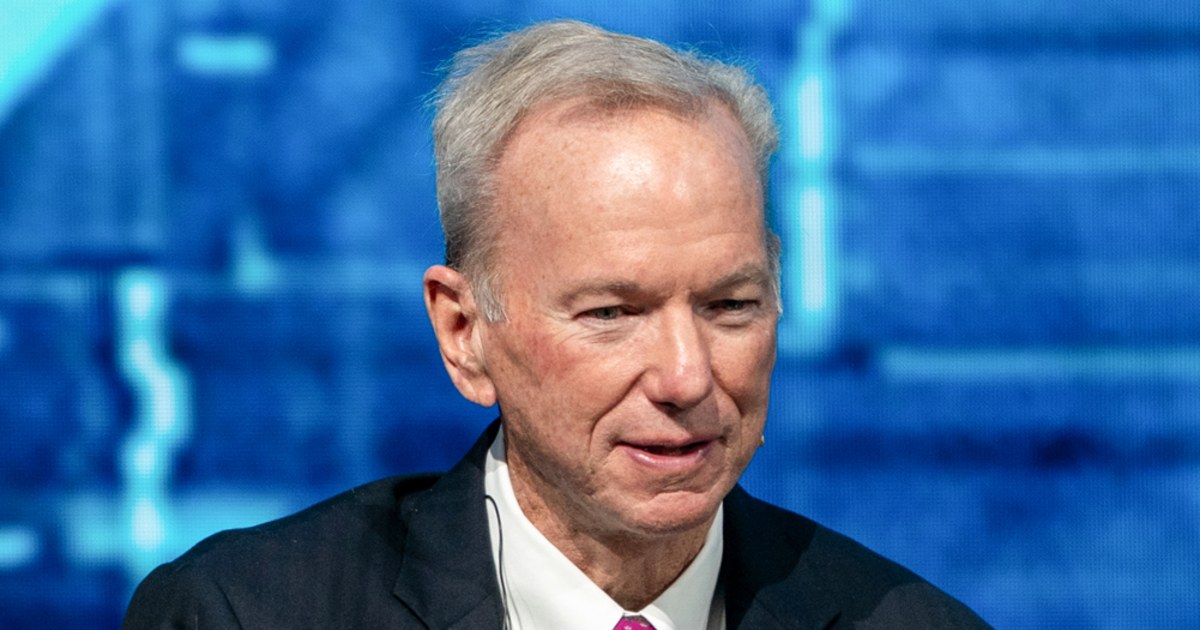
Eric Schmidt Booed at University of Arizona Commencement
- Who's talking: Tech commentators, students, AI critics and boosters across X/Twitter
- What happened: Former Google CEO Eric Schmidt was booed multiple times during a commencement speech at the University of Arizona after speaking positively about artificial intelligence and its economic promise.
- Key takes: The moment resonated widely online as a symbol of growing public frustration with tech executives championing AI while graduates face an uncertain job market. Many on X pointed out the irony of a billionaire tech CEO praising automation at a ceremony meant to celebrate young people entering the workforce.
- Why it matters: The incident underscores a widening cultural rift between AI optimists in the tech industry and everyday people who fear the economic consequences of rapid AI adoption.
Congress Moves to Block State AI Laws — Including California and New York
- Who's talking: Tech policy watchers, state legislators, AI regulation advocates
- What happened: New details emerged about ongoing House negotiations aimed at preempting certain state-level AI regulations, including laws in California and New York. The talks are reportedly linked to broader debates triggered by the emergence of Anthropic's powerful new model, Mythos.
- Key takes: Opponents argue federal preemption would strip states of the ability to protect their residents from AI harms. Supporters say a patchwork of state laws would stifle innovation. The White House is said to be weighing in on the same set of questions.
- Why it matters: This could be the most consequential AI governance development of the year — determining whether AI regulation is set at the federal or state level in the world's largest economy.
Should You Build an AI Clone of Yourself? The Debate Gets Louder
- Who's talking: Tech executives, ethicists, entrepreneurs on X and Business Insider
- What happened: Two tech executives publicly debated whether AI digital replicas of individuals represent a dangerous precedent, a business opportunity, or both — sparking a broader conversation online about identity, consent, and the monetization of personal likeness.
- Key takes: Proponents see AI clones as a way to scale one's professional presence and generate passive income. Critics warn of identity theft risks, emotional manipulation, and the erosion of authentic human connection. X users were sharply divided, with many joking they'd "subscribe to their own clone."
- Why it matters: As AI persona technology matures, questions about who owns your digital likeness — and who can profit from it — are becoming urgent legal and ethical issues.
Hot Debates & Controversies
Federal AI Preemption vs. State Autonomy
- Side A: Federal lawmakers and some industry groups argue that a single national AI framework is needed to prevent a fragmented regulatory environment that would hamper U.S. competitiveness. The White House appears sympathetic to this view.
- Side B: State-level advocates — particularly in California and New York — insist that states must retain the right to set higher standards for consumer protection and algorithmic accountability, especially as federal action has historically lagged.
- Current status: House talks are ongoing and have not been made public until now. The emergence of Anthropic's Mythos model appears to have accelerated the timeline of discussions.
Is Anthropic Worth $950 Billion?
- Side A: Bulls argue that Anthropic's Mythos model represents a generational leap in AI capability, its enterprise partnerships are expanding rapidly, and a Google commitment of up to $40 billion de-risks the bet. At current AI growth trajectories, the valuation is defensible.
- Side B: Skeptics on X and in finance circles question whether any pre-revenue AI lab can justify a near-trillion-dollar valuation, noting that the gap between Anthropic's previous $380 billion valuation and the new $950 billion ask represents an extraordinary leap in a short time.
- Current status: Funding talks are reportedly ongoing. OpenAI and Anthropic IPO speculation is also intensifying, with both companies named among the most anticipated public offerings of 2026.
Notable AI Announcements
-
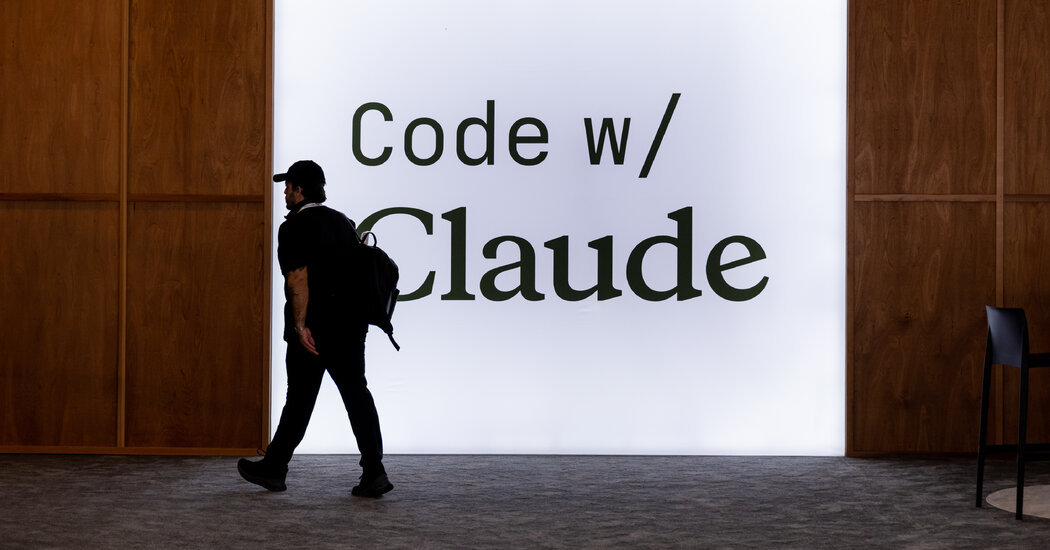
Anthropic: In talks to raise new funding at a staggering $950 billion valuation — more than double its previous $380 billion mark — following the release of its Mythos model. Community reaction: equal parts awe and disbelief, with many on X questioning whether any AI company deserves a near-trillion-dollar price tag before going public.
-
OpenAI & Anthropic: Both companies are reportedly launching joint ventures targeting enterprise AI services, partnering with asset managers to more aggressively market their AI products to large organizations. Community reaction: seen as a signal that the AI arms race is moving decisively into the enterprise revenue phase.
-
OpenAI & Anthropic IPO Watch: Both companies are now listed among the most anticipated IPOs of 2026, alongside SpaceX, as the AI sector matures toward public market debuts. Community reaction: investors and retail traders on X are tracking every signal, with anticipation running high.
Thought Leader Spotlight
@karpathy on the Growing Gap in AI Understanding
- Key quote/insight: "The degree to which you are awed by AI is perfectly correlated with how much you use it." Karpathy argued that a large and growing gap exists between people who actively use frontier AI tools and those whose impressions are formed by outdated or surface-level exposure — such as trying the free tier of ChatGPT once last year.
- Context: Posted in response to ongoing public discourse about AI capabilities, with many commentators either dramatically overstating or understating what current models can do.
- Community reaction: The post resonated widely among AI practitioners, who frequently encounter the same disconnect when talking to non-technical colleagues and family members.
@gradypb on AGI Arriving in Plain Sight
- Key quote/insight: Sequoia's Pat Grady posted simply: "2026: This is AGI" — noting that today you can effectively "hire" GPT-5.2, Claude, Grok, or Gemini to perform cognitive work previously reserved for human professionals.
- Context: The post reflects a growing sentiment among some venture capitalists and AI insiders that the AGI threshold — however defined — may have already been crossed in practical terms, even if the academic debate rages on.
- Community reaction: Triggered a fresh wave of debate between those who agree the current generation of models represents functional AGI and skeptics like Yann LeCun who maintain that real human-level AI remains years or decades away.
What to Watch Next Week
- Congressional AI preemption bill: House negotiations on blocking state AI laws are heating up. Any public draft legislation or official announcement could trigger a major policy and market reaction — watch for leaks and official statements from California and New York legislators pushing back.
- Anthropic funding round closure: The reported $950 billion valuation fundraise is ongoing. A formal announcement — or a collapse of talks — would be one of the biggest AI finance stories of the year and is likely to dominate X discourse.
- AI graduation speech backlash fallout: Eric Schmidt's booing at Arizona is part of a broader anti-AI sentiment movement gaining momentum across U.S. campuses and communities. Watch for more commencement-season incidents and whether any major tech executive adjusts their public messaging in response.
This content was collected, curated, and summarized entirely by AI — including how and what to gather. It may contain inaccuracies. Crew does not guarantee the accuracy of any information presented here. Always verify facts on your own before acting on them. Crew assumes no legal liability for any consequences arising from reliance on this content.
Powered by
