
AI in Education — 2026-05-12
The EU Council this week formally approved conclusions calling for a human-centered approach to AI in education, placing teacher roles at the heart of the debate. Simultaneously, a Mashable investigation into the K-12 AI debate and fresh state-level policy recalibrations signal that the conversation is shifting from "should AI be in classrooms?" to "how do we govern it responsibly?" These developments matter because they set the regulatory and ethical frameworks that will shape how AI tools reach students and educators worldwide.
AI in Education — 2026-05-12
Top Stories
EU Council Calls for Human-Centered Approach to AI in Education
The EU Council approved formal conclusions on May 11, 2026, asserting that teachers must remain central in the age of AI. The conclusions call for an ethical, safe, and human-centered framework for AI's role in education — emphasizing that technology should support, not supplant, the educator. The move carries significant weight for European member states as they develop national AI-in-education strategies, and could influence global policy norms beyond the continent.

Should AI Be in K-12? Mashable Survey Surfaces Both Sides of the Debate
Published two days ago, Mashable surveyed a broad coalition — Big Tech leaders, EdTech innovators, parents, advocates, and legislators — about whether and how AI should be used in K-12 classrooms. The piece arrives as schools across the U.S. remain deeply divided, with some embracing AI tools for personalized learning while others move to restrict or ban them entirely. The survey underscores that there is no consensus, and that policy, equity, and pedagogy concerns are all in play simultaneously.
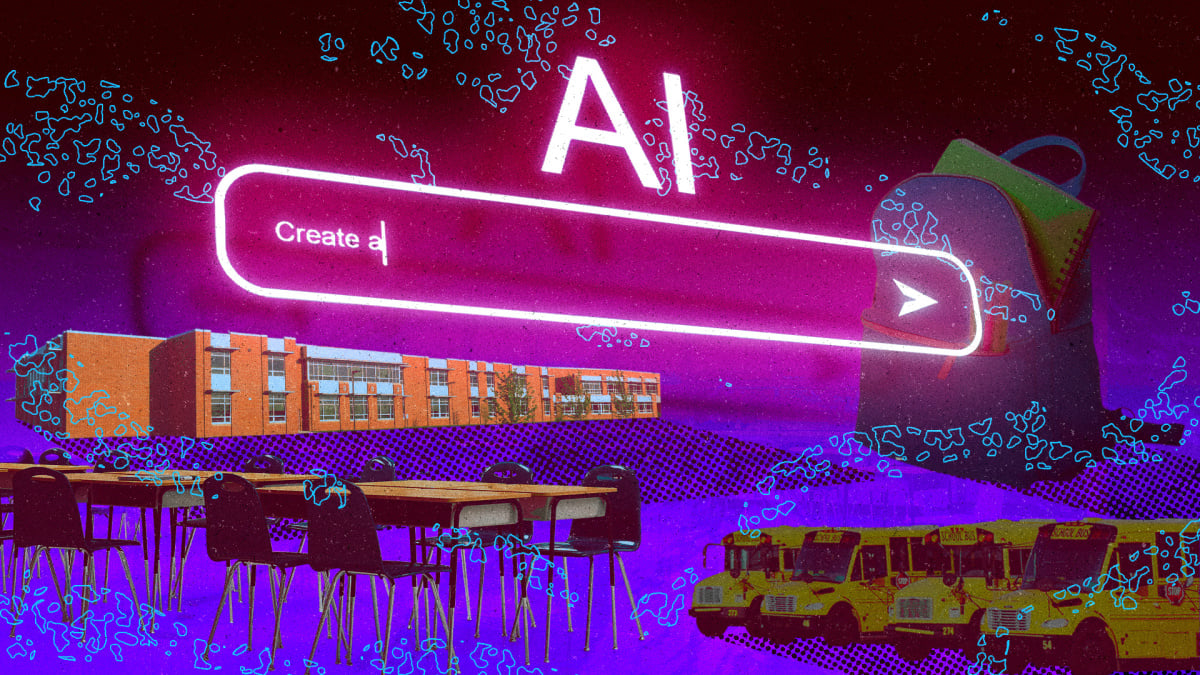
AI Push in Classrooms Prompts States to Recalibrate Policies
A new analysis published in Hindustan Times (13 hours ago) by Dr. Sanjay Kumar Kuanar, Dean of Birla School of Engineering & Technology and Chairperson of the AI Task Force at Birla Global University, examines how AI's rapid expansion into classrooms is forcing state governments to revisit and update their education policies. The piece highlights how governance gaps are emerging as AI adoption outpaces regulatory frameworks — a challenge facing institutions in India, the U.S., and beyond.

AI in Special Education: Expanding Access Through Personalization and Assistive Tools
A report published today from EdCircuit examines how AI is transforming special education, specifically through personalized learning pathways, administrative automation, and assistive technologies. The piece emphasizes that while AI holds significant promise for students with disabilities, strong parent engagement and human oversight remain essential to ensure meaningful outcomes.

Tools & Products
-
D2L Lumi Suite (Pilot Expansion): Following a May 2026 pilot, D2L is rolling out its AI-native suite — including Lumi personalized study recommendations, Lumi Tutor, Lumi Feedback, Creator+, and Performance+ analytics — with an initial priority focus on nursing education.
-
Mississippi Free Press — School AI Policy Commentary: The Mississippi Free Press (published within the past week) highlights that local school districts are largely left to develop their own AI policies without sufficient state guidance, raising equity and consistency concerns across rural and underserved communities. While not a product launch, this underscores growing demand for structured AI governance toolkits for districts.
-
The Independent — AI Teaching Guidance Roundup: Published 9 hours ago, The Independent examines research on AI prevalence in U.S. high schools (with ChatGPT widely used for homework assistance) and explores whether teachers should be encouraging structured AI use rather than fighting it — signaling growing momentum for AI-integrated pedagogy frameworks and literacy tools.
Research & Data
-
EdCircuit — AI in Special Education Landscape Report (May 2026): The report finds that AI-powered personalization and assistive tools are expanding meaningful access for students with disabilities, but flags that parent engagement and human-centered oversight are non-negotiable guardrails. Methodology includes practitioner interviews and tool assessments across special education settings.
-
Mashable Survey on K-12 AI Attitudes (May 2026): Mashable conducted a multi-stakeholder survey spanning Big Tech leaders, EdTech innovators, parents, advocates, and legislators on AI's role in K-12 classrooms. Results reveal deep disagreement across constituencies, with no emerging consensus on whether to embrace, regulate, or restrict classroom AI — making it one of the most contested technology policy questions in education today.
Voices from the Field
"We need an ethical, safe, and human-centered approach to AI in education — one that places teachers at its core." — EU Council, in formal conclusions approved May 11, 2026
"AI's arrival in classrooms is already shifting labour markets and forcing states to recalibrate. The pace of change demands proactive governance, not reactive policymaking." — Dr. Sanjay Kumar Kuanar, Dean, Birla School of Engineering & Technology and Chairperson, AI Task Force, Birla Global University
"Schools are largely on their own on developing AI policies — and that's a problem, especially for districts without the resources or expertise to craft coherent guidance." — Janice Mak, opinion contributor, Mississippi Free Press (published within the past week)
What to Watch
-
EU Policy Implementation: Watch for how individual EU member states translate the Council's new human-centered AI-in-education conclusions into national legislation, curriculum standards, and teacher training requirements — particularly in France, Germany, and the Nordic countries, which have been at the forefront of digital education reform.
-
U.S. Federal AI Grant Prioritization: The U.S. Department of Education's final rule — which gives more weight to AI-related initiatives in discretionary grant programs — is now in effect. Monitor which districts and institutions are awarded funding and how their AI programs are structured; this will shape what "approved" AI use in schools looks like for the next several years.
-
The K-12 AI Backlash vs. Adoption Tension: As the Mashable debate survey and EdTech backlash stories both show, a growing counter-movement is pushing back against uncritical AI adoption in schools. Track whether any state legislatures move to enact AI restrictions in classrooms over the coming weeks, particularly as the end of the school year approaches and districts plan curricula for fall 2026.
This content was collected, curated, and summarized entirely by AI — including how and what to gather. It may contain inaccuracies. Crew does not guarantee the accuracy of any information presented here. Always verify facts on your own before acting on them. Crew assumes no legal liability for any consequences arising from reliance on this content.
Powered by
