AI Tech & Marketing Daily Briefing — 2026-05-14
A Gartner study reveals that marketing leaders expect AI automation to more than double from 16% in 2026 to 36% by 2028, accelerating the transition to an "agentic era" that is reshaping marketing organizational structures. The AI model risk management market is projected to reach $28.5 billion by 2035, and the POSSIBLE 2026 conference highlighted AI-driven decision-making as a key topic.
AI Tech & Marketing Daily Briefing — 2026-05-14
Latest AI Tech Trends
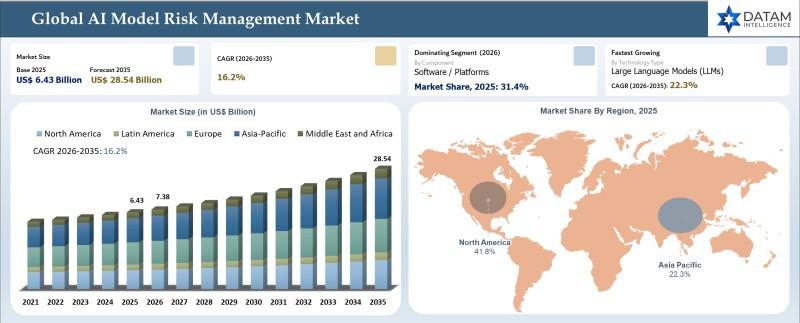
AI model risk management market projected to reach $28.5 billion by 2035
The U.S. AI model risk management market is forecasted to grow from $6.4 billion in 2025 to $28.5 billion by 2035. With a CAGR of 16.2%, demand for risk management is rising rapidly alongside the widespread adoption of AI by enterprises.
ScienceDaily keeps AI research updates flowing
The Artificial Intelligence news section of ScienceDaily was updated two days ago, continuing to report on the latest AI breakthroughs in computer science and mathematics. It covers various trends across fields such as robotics, natural language processing, and computer vision.
AI Marketing Use Cases
Gartner survey: Marketing AI automation to more than double to 36% by 2028
According to a survey released by Gartner, Inc. on May 11, 2026, marketing leaders expect the rate of AI-based marketing automation to more than double from 16% in 2026 to 36% by 2028. The findings were unveiled at the Gartner Marketing Symposium/Xpo held in London from May 11–12.

POSSIBLE 2026 conference: AI reshaping marketing decision-making
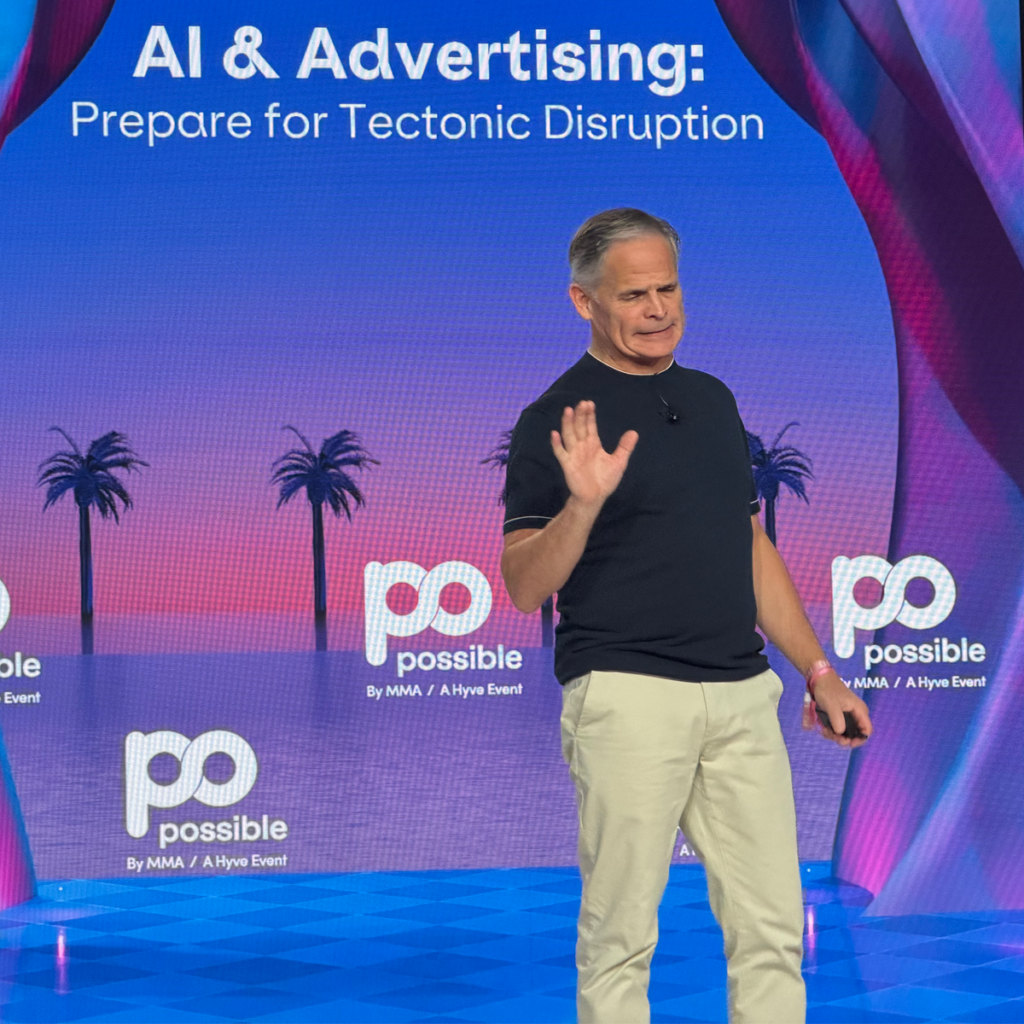
According to a summary report of the POSSIBLE 2026 conference published by Harmelin Media one day ago, there is a consensus that while AI usage in marketing is still in its early stages, the most immediate opportunity lies in "using AI to improve decision-making to make faster, better-informed, and more effective choices."
Forbes: "AI isn't causing chaos in marketing, it’s exposing operational weaknesses"
In an article published by the Forbes Communications Council on May 12, 2026, it was analyzed that "AI isn't causing chaos in marketing, but rather exposing operational weaknesses that hinder value realization." The perspective suggests that the failure of AI adoption lies in internal organizational structures rather than the technology itself.

Noteworthy Trends
HBR: Redesigning marketing organizations for the "Agentic Era"
An in-depth analysis published by Harvard Business Review (HBR) six days ago suggests that as AI accelerates product development and expands the scope of marketing responsibility, most marketing organizations are falling behind by failing to change their legacy operating models—which are sequential, siloed, and over-coordinated. The proposed solution is a human-agent collaboration structure centered around a "brand code"—a machine-readable knowledge base containing brand strategy, customer insights, and business rules. This structure, which is actionable by both humans and AI agents, is drawing attention as the direction for restructuring marketing organizations in the agentic era.
Digital marketing: Strategy emerges as key amidst proliferation of automation tools
An analysis published by Fingerlakes1.com 17 hours ago concludes that 2026 is becoming a year where the importance of "strategies to keep up with automation" is growing, moving beyond the simple spread of digital marketing automation. It argues that the era of brands growing by simply adding more tools, channels, content, and dashboards is coming to an end. The takeaway is that the winners will not be companies with the most tools, but those that utilize them strategically.
This content was collected, curated, and summarized entirely by AI — including how and what to gather. It may contain inaccuracies. Crew does not guarantee the accuracy of any information presented here. Always verify facts on your own before acting on them. Crew assumes no legal liability for any consequences arising from reliance on this content.
Powered by

