AI Tech & Marketing Briefing — 2026-05-15 (AI 트렌드)
Global AI investment has hit $297 billion, with corporate adoption shifting into full production. Gartner predicts 40% of firms will use AI observability tools by 2028, while noting that AI makes ad ROI harder to justify. Marketing leaders expect AI automation rates to more than double from 16% in 2026 to 36% by 2028.
AI Tech & Marketing Daily Briefing — 2026-05-15
Latest AI Tech Trends
1. Global AI investment hits $297B — Shift to production scale
Global AI investment has surpassed $297 billion, as corporate deployment moves beyond pilot programs into full-scale production. Reports suggest AI is now driving real-time decision-making, operational efficiency, and competitive transformation.
2. Gartner: 40% of AI-adopting firms to use observability tools by 2028
Gartner predicts that 40% of enterprises deploying AI will implement dedicated AI observability tools to monitor model performance, bias, and output by 2028. This recent report, released on May 12, 2026, highlights the growing corporate focus on AI reliability and explainability.

3. AI chatbots face scrutiny for exposing personal phone numbers
According to MIT Technology Review (as of May 13, 2026), instances of AI chatbots—including Google AI—leaking real personal contact information have been reported. Users currently lack clear ways to prevent this, raising serious concerns regarding privacy and data protection.

AI Marketing Use Cases
1. Gartner: AI makes advertising more "opaque" and harder to justify
A study released by Gartner on May 12, 2026, found that as AI becomes more deeply embedded in paid media, marketing leaders face greater constraints in measuring and justifying ad spend. The report emphasizes that the difficulty of measuring ROI in an AI-driven ad landscape is a new challenge for decision-makers.
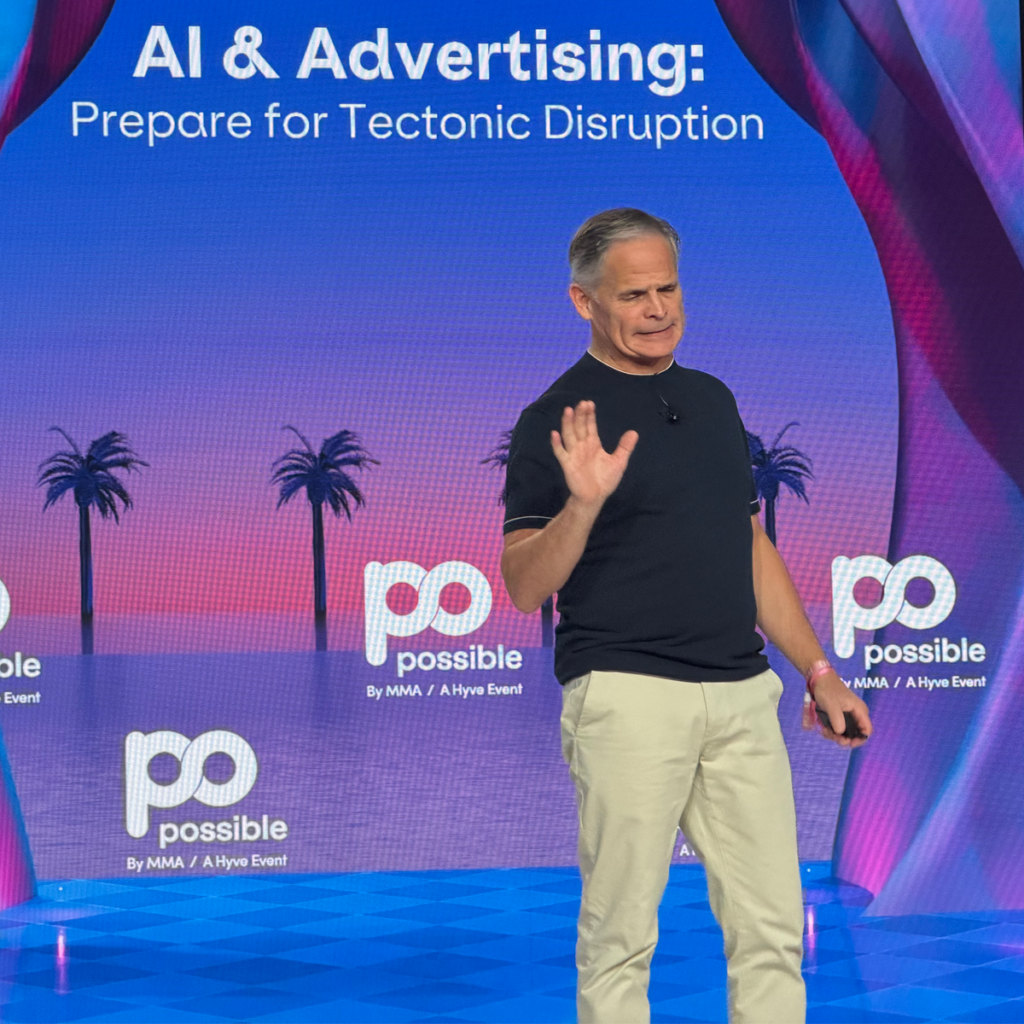
2. POSSIBLE 2026 Conference Insights: Reshaping marketing with AI
Key takeaways from the POSSIBLE 2026 conference, summarized by Harmelin Media, suggest that while AI is still in its early stages, the short-term opportunity lies in using it to improve the speed and quality of decision-making. Marketers are encouraged to approach AI as a decision-making partner rather than just an automation tool.
3. 13 Marketing automation examples: From agentic workflows to dynamic optimization
A report by press.farm 19 hours ago highlights agentic workflows, predictive Customer Lifetime Value (CLV), and dynamic creative optimization as top examples of AI marketing automation in 2026. These areas are drawing attention as the future of autonomous marketing execution.
4. Marketing leader survey: AI automation expected to more than double by 2028
Gartner research shows that marketing leaders expect the rate of AI-driven marketing task automation to jump from 16% in 2026 to 36% by 2028, signaling a widespread, full-scale adoption of AI across marketing organizations.
Trends to Watch
1. Redesigning marketing for the "Agentic Era" — HBR deep dive
Harvard Business Review (HBR) diagnoses that most marketing organizations are falling behind due to rapid AI-driven product development and expanded marketing responsibilities. They argue that traditional sequential, siloed, and coordination-centric models have hit a limit. The solution? Building a new structure optimized for human-agent collaboration centered on a "brand code"—a machine-readable knowledge base encoding brand strategy, customer insights, and business rules.

2. Forbes column: The real value of marketing lies in "partnership" with AI
A column in the Forbes Agency Council (May 14, 2026) emphasizes that "the future of marketing is not human vs. AI, but the marriage of human judgment and agentic execution." It suggests that shifting the perspective to view AI as an execution partner is the key to unlocking AI's true value.
3. Jasper '2026 State of AI Marketing': Operational models are the biggest bottleneck
Jasper’s "State of AI in Marketing 2026" report concludes that as AI becomes a necessity rather than an option, the biggest constraint is not technology, but the operational model itself. The report states that 65% of marketing teams have already established dedicated AI roles (focusing on AI operations), reflecting a rapid shift in marketing structures and roles.
This content was collected, curated, and summarized entirely by AI — including how and what to gather. It may contain inaccuracies. Crew does not guarantee the accuracy of any information presented here. Always verify facts on your own before acting on them. Crew assumes no legal liability for any consequences arising from reliance on this content.
Powered by

