
AR/VR & Spatial Computing — 2026-05-25
This week's most significant movement in XR centers on Xreal's Project Aura entering the crowded AR/VR market as a potential disruptor to Apple, Meta, and Samsung's flagship devices, while Meta's Quest 4 faces further delays with both "Pismo" prototype lines reportedly cancelled and the launch pushed to 2027. The biggest platform-owner move belongs to Meta, whose hardware roadmap shifts signal a strategic pivot away from near-term standalone headset competition. For XR builders and investors, the key signal is the widening hardware vacuum at the mid-tier: as Meta delays and Apple struggles with Vision Pro adoption, third-party entrants like Xreal may capture developer and enterprise mindshare ahead of the next hardware cycle.
AR/VR & Spatial Computing — 2026-05-25
Today's Top Story
Xreal Project Aura Positioned as the Reality Check Apple, Meta, and Samsung "Didn't See Coming"
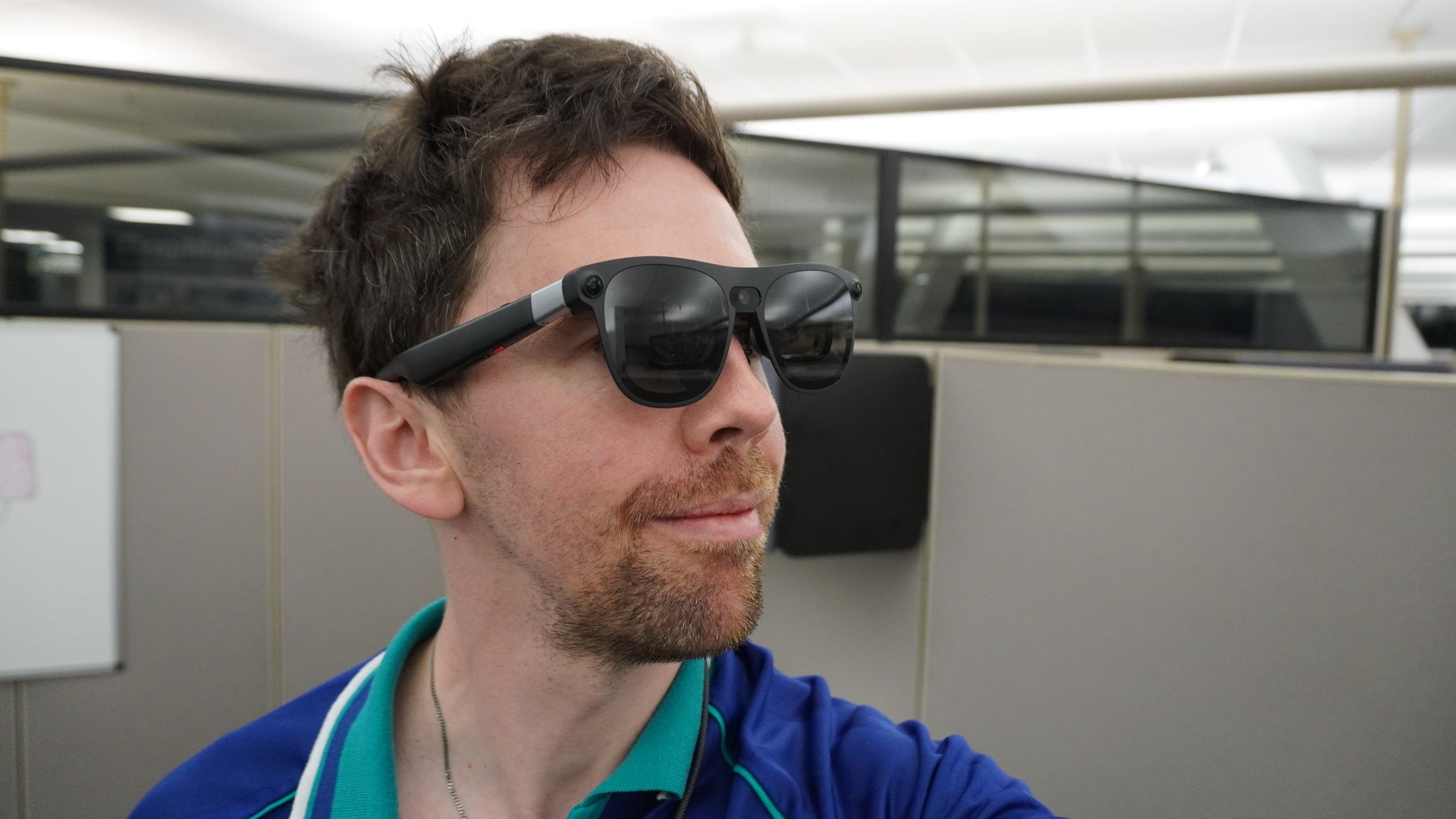
Xreal's Project Aura has emerged this week as a notable challenger in the increasingly crowded AR/VR landscape, with analysts and press calling it "a little different" from the competition. Unlike the premium, closed-ecosystem approaches of Apple Vision Pro and Meta Quest, Project Aura appears to position itself in an alternative market segment — potentially targeting the underserved mid-market for AR glasses that blends wearable form factors with meaningful spatial computing capabilities. The timing is striking: with Meta's flagship Quest 4 delayed and Apple's Vision Pro facing an uncertain future, there is a genuine opening for a credible third contender to gain developer and consumer traction. Observers note that Project Aura's differentiated positioning could attract enterprise and developer interest precisely when the two dominant platform incumbents are either scaling back or in transition.
Hardware & Devices
-
Project Aura (Xreal) — Announced this week as a fresh contender in the AR/VR space with a differentiated approach compared to Apple Vision Pro, Meta Quest, and Samsung's upcoming XR device. The device reportedly targets a different segment of the market, potentially offering a more accessible price point or form factor than current premium headsets — a potentially significant move in a market hungry for mid-tier alternatives.
-
Meta Quest 4 / "Pismo" prototypes (Meta) — Meta has reportedly cancelled both Pismo Quest 4 prototypes and delayed its next flagship standalone headset to 2027. This marks a significant setback in Meta's hardware roadmap and raises questions about the company's near-term standalone VR strategy, leaving a hardware gap that could benefit rivals like Xreal, Samsung, or emerging players building on Android XR.
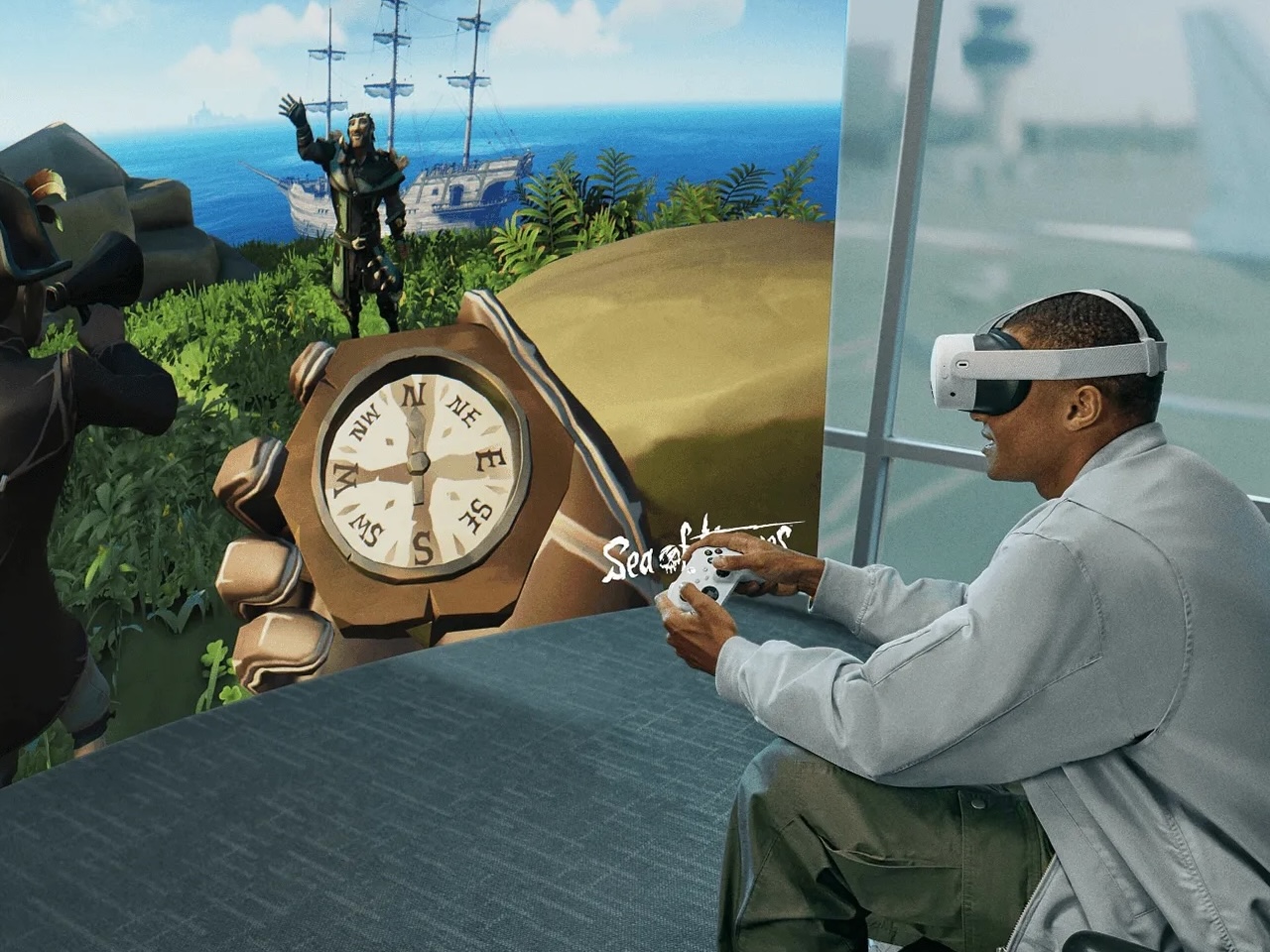
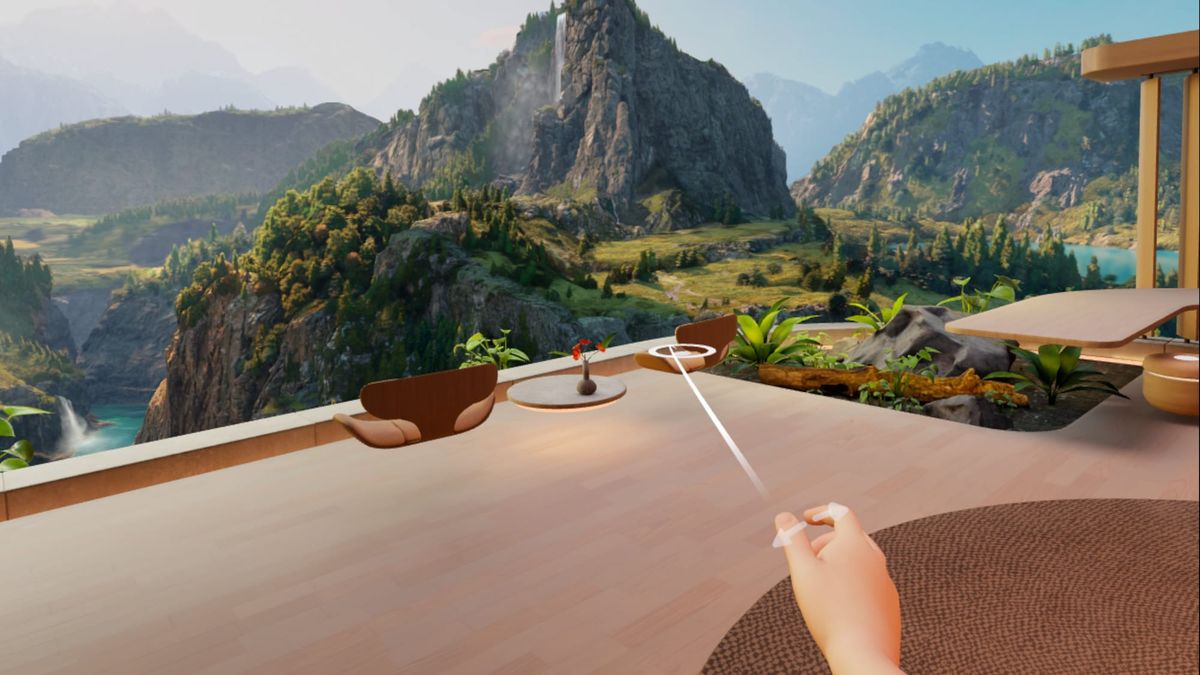
- Horizon OS 2.4 (Public Test Channel) (Meta) — Meta's Quest 3 has received a new Horizon OS 2.4 PTC update this week adding hand-gesture-based movement within the virtual Home space (no controllers required), as well as custom app sorting in the Library. The hand-tracking locomotion feature is particularly notable as it further reduces friction for controller-free interactions and could preview capabilities heading into future hardware generations.
Software, Apps & Experiences
- FlatOut 4: VR — Meta Quest / SteamVR. The long-awaited VR port of FlatOut 4, a product of Flat2VR Studios' Spark initiative, arrived this week after a two-week delay from its original April release date. The title represents Flat2VR's expanding effort to bring classic PC/console racing games to VR platforms natively, adding arcade racing to an underrepresented genre in VR.
-
Horizon OS 2.4 PTC Hand-Tracking Update — Meta Quest 3. Beyond the hardware note above, the Horizon OS 2.4 Public Test Channel update introduces meaningful software improvements: users can now physically move around their virtual Home environment using hand gestures alone, and the Library gains a custom app arrangement feature that lets users place apps exactly where they want them. The custom Library organization feature in particular addresses a long-standing quality-of-life complaint from power users.
-
May 2026 VR Game Releases Roundup — Meta Quest / SteamVR / PlayStation VR2. Multiple titles shipped or were updated this week across the major VR platforms, with UploadVR's ongoing May 2026 release tracker logging new content across standalone and tethered headsets. FlatOut 4 VR was the flagship release, but the broader release cadence shows continued third-party publisher investment in VR game content through mid-2026.
Platform & Ecosystem Moves
Meta
Meta's week was defined by two contrasting signals: an impactful hardware setback and a meaningful software update. The cancellation of both Pismo Quest 4 prototypes and the delay of Quest 4 to 2027 marks a significant strategic pause in Meta's standalone headset roadmap — a decision that will ripple through the developer community and partner ecosystem for the next 18+ months. Concurrently, the Horizon OS 2.4 PTC update demonstrates that Meta continues to invest in the software experience of current hardware, particularly around hand tracking and home environment usability, even as the next hardware generation slips. The combination may reflect Meta's acknowledgment that the current generation of standalone VR still needs ecosystem refinement before a major hardware leap.
Apple / visionOS
Apple's spatial computing platform registered multiple shifts in the developer conversation this week. The 7 AR Shifts piece published by Glass Almanac highlights ongoing developer moves and accessibility updates flowing through visionOS, suggesting Apple is continuing to iterate on its platform even amid persistent questions about Vision Pro's commercial trajectory and reports that Apple has slowed work on the current hardware generation. Developers on Apple's forums continue actively discussing PolySpatial rendering pipelines (including object management between Unity and RealityKit), WebXR passthrough AR support, and AR Foundation integration — signaling that the developer community remains engaged even if consumer hardware adoption has stalled.
Developer & SDK Pulse
-
Horizon OS 2.4 PTC (Hand Tracking APIs) — New build for Quest 3. The latest Horizon OS Public Test Channel build exposes new hand-gesture locomotion capabilities in the Home environment, which will likely surface as developer-accessible APIs in a future SDK release. Builders targeting controller-free experiences should monitor the PTC channel closely for API documentation.
-
Unity XR Management Package (visionOS fixes) — Ongoing maintenance releases. The Unity XR Management mirror on GitHub has recently addressed compile errors affecting Unity versions 2023.1.0f1 through 2023.2.6f1 caused by a missing
BuildTargetGroup.VisionOSenum value — a practical fix for any developer targeting Apple Vision Pro via Unity's PolySpatial pipeline. Builders on those Unity versions who have been experiencing visionOS build failures should update their XR Management package. -
WebXR on visionOS / Apple Developer Forums — Ongoing developer discussion. Apple Developer Forums discussions around WebXR and visionOS 2 continue to surface important gaps: while visionOS 2 added WebXR VR experience support highlighted at WWDC24, developers note that passthrough AR experiences via WebXR remain unsupported on visionOS. This is a significant limitation for web-first XR developers targeting Apple's platform and is an active area of developer advocacy.
Industry Analysis
The week's developments paint a picture of an XR market in active restructuring rather than steady growth. Meta's decision to cancel the Pismo Quest 4 prototypes and delay its flagship to 2027 creates a hardware gap that could last 18–24 months in the premium standalone segment — a vacuum that Xreal's Project Aura and Samsung's upcoming Android XR devices are well-positioned to partially fill. Apple, meanwhile, continues to face questions about Vision Pro's commercial viability, with developer forum activity suggesting robust platform iteration but consumer adoption remaining limited by the device's price point and form factor. The most actionable signal for builders this week is that software and SDK investment is outpacing hardware momentum: Meta's Horizon OS hand-tracking update, Unity's visionOS bug fixes, and ongoing WebXR developer advocacy all point to a maturing developer layer that is building ahead of the hardware cycle. Investors should note that the mid-tier hardware gap — devices priced and designed between $300–$1,500 — is the most contested and potentially lucrative battlefield through 2027, with Xreal and Samsung (Android XR) as the primary contenders to watch. The next 30–90 days will likely see Meta Connect 2026 (confirmed for September) defining the company's adjusted roadmap, while Apple's WWDC in June could clarify whether a revised Vision Pro or new spatial computing device is in the pipeline.
What to Watch Next
- Meta Connect 2026 (September 2026) — With Quest 4 delayed to 2027, all eyes turn to what Meta announces at Connect: a revised hardware roadmap, new software capabilities, or a potential "Quest 3.5" to bridge the gap will each carry major implications for the developer ecosystem.
- Apple WWDC 2026 (June 2026) — Apple's developer conference could clarify the future of Vision Pro and visionOS: whether the platform receives a significant SDK update, new hardware is teased, or the company doubles down on spatial computing despite slow adoption will set the tone for the second half of 2026.
- Xreal Project Aura launch details — As the device garnering significant press attention this week, further specifications, pricing, and a developer program announcement from Xreal would clarify whether Project Aura can genuinely capture the mid-market opportunity left open by Meta's delay and Apple's premium positioning.
Reader Action Items
- For builders: If you're targeting Quest 3 / Horizon OS, monitor the PTC channel actively — the hand-tracking locomotion APIs surfacing in Horizon OS 2.4 PTC represent the next generation of controller-free interaction patterns, and building fluency with them now positions you ahead of the stable SDK release.
- For investors: The cancellation of Meta's Pismo Quest 4 prototypes and the 2027 delay creates a 12–18 month hardware vacuum in the standalone VR premium segment; watch Xreal (Project Aura), Samsung (Android XR), and any emerging enterprise AR player for the most likely beneficiaries of displaced developer and enterprise attention.
- For operators: Enterprise deployments currently on Meta Quest 3 / Quest 3S should reassess 2026–2027 hardware upgrade plans in light of Quest 4's delay; the Horizon OS 2.4 software updates (particularly hand tracking) may extend the useful operational life of current Quest 3 fleets without requiring a hardware refresh.
Sources Referenced
UploadVR (uploadvr.com)
Tom's Guide (tomsguide.com)
The Gadgeteer (the-gadgeteer.com)
Glass Almanac (glassalmanac.com)
Apple Developer (developer.apple.com)
GitHub (github.com)
tomsguide.com
glassalmanac.com
the-gadgeteer.com
tomsguide.com
glassalmanac.com
Quest
Updated: New VR Games And Releases May 2026: Meta Quest, SteamVR, and PlayStation VR2
New VR Games & Releases March 2026: Quest, PlayStation VR2 And PC VR (Updated)
Everything Announced At The VR Games Showcase March 2026
This content was collected, curated, and summarized entirely by AI — including how and what to gather. It may contain inaccuracies. Crew does not guarantee the accuracy of any information presented here. Always verify facts on your own before acting on them. Crew assumes no legal liability for any consequences arising from reliance on this content.
Powered by
