
AR/VR & Spatial Computing — May 6, 2026
This week's most significant fresh data point comes from UploadVR's May 2026 VR game release roundup, confirming a steady stream of new titles across Meta Quest, SteamVR, and PlayStation VR2 platforms even as the broader hardware narrative remains dominated by Apple's Vision Pro struggles. Apple is the platform owner making the biggest — and most ambiguous — move, with multiple credible reports confirming the M5 Vision Pro refresh failed to revitalize demand and internal teams have been restructured away from the product. The single most important signal for XR builders and investors right now is the widening gap between closed, premium spatial computing (Apple's retreat) and open, lower-cost mixed reality (Android XR/Samsung's Galaxy XR momentum), suggesting that the mass-market future belongs to the open ecosystem.
AR/VR & Spatial Computing — May 6, 2026
Today's Top Story
Apple's Vision Pro Era May Be Over — M5 Refresh Flopped, Teams Disbanded
Apple has all but confirmed the Vision Pro's commercial failure, according to multiple credible reports from MacRumors, Tom's Guide, and Apple Insider published in the past week. The company updated the headset with a faster M5 chip and a more comfortable head strap in October 2025, but consumers still weren't buying — and now Apple has reportedly stopped work on the device and dissolved key internal hardware teams. Industry analysts note that the Vision Pro's $3,499 price tag, combined with limited software, made it an aspirational showcase rather than a mass-market product. What changes as a result: Apple's spatial computing ambitions now shift decisively toward smart glasses (rumored for 2027), leaving the premium mixed-reality headset category wide open for competitors and signaling that the visionOS developer ecosystem may face an uncertain future.
Hardware & Devices
-
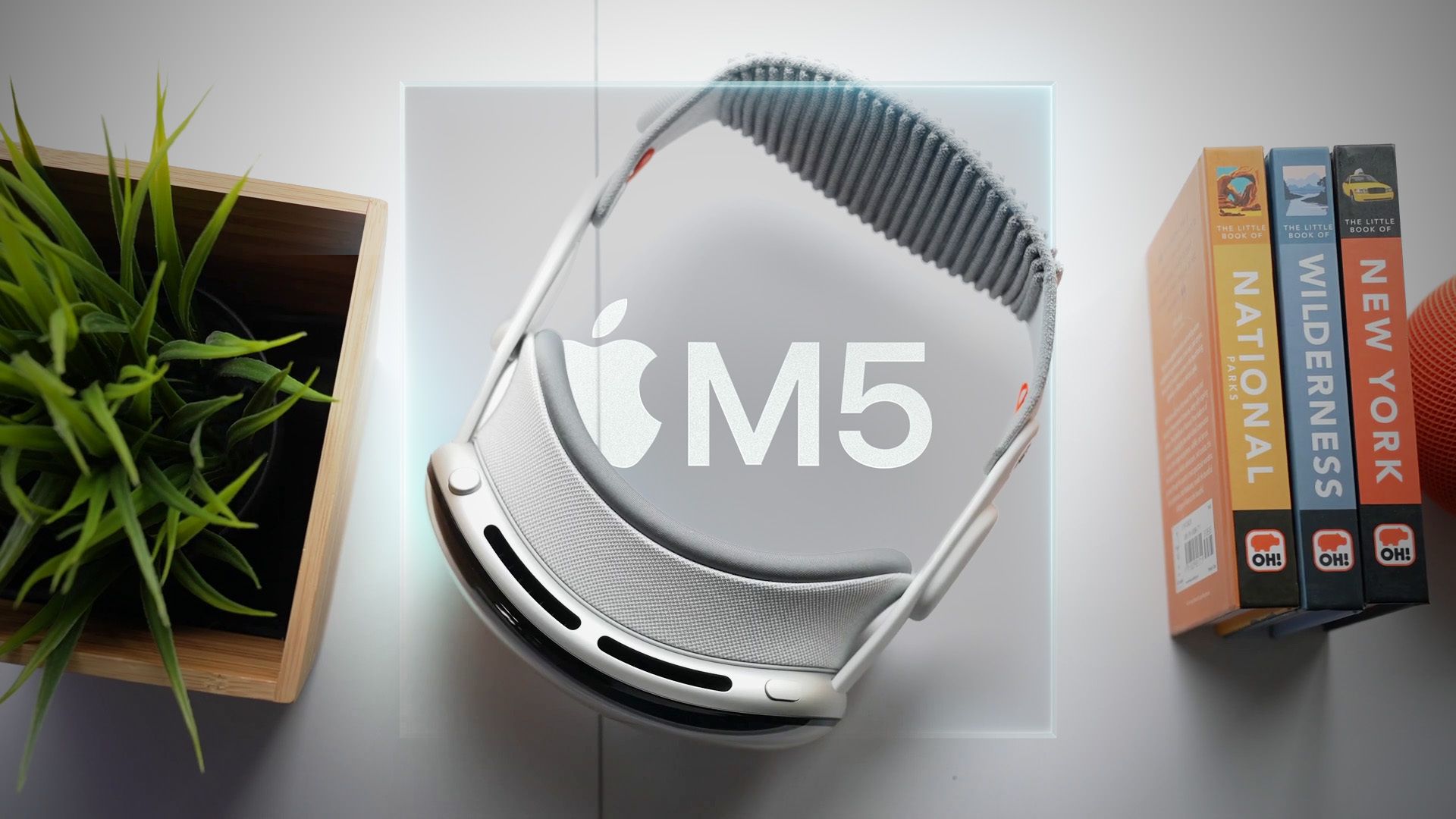
Apple Vision Pro (M5) (Apple) — Multiple reports this week confirm Apple has effectively abandoned active Vision Pro development following the commercial failure of its M5 update in October 2025. The refresh added a faster chip and redesigned head strap but failed to meaningfully lift sales, and key internal product teams have reportedly been disbanded or reassigned. This matters because it removes Apple as a near-term headset competitor and accelerates the timeline for its glasses pivot.
-
Meta Quest (current lineup) (Meta) — CNET's updated 2026 best VR headset guide, refreshed within the past week, continues to rank Meta's Quest 3 and Quest 3S as the top consumer picks, noting that Meta's headsets "are still the way to go" despite ongoing industry turbulence. Meta's CTO has separately confirmed that Quest 4 remains on track (previously covered), and the company continues to invest heavily in AR/VR spending even as losses mount. This continued consumer dominance matters because Meta is the de facto standard-setter for standalone VR content and hardware pricing expectations.
-
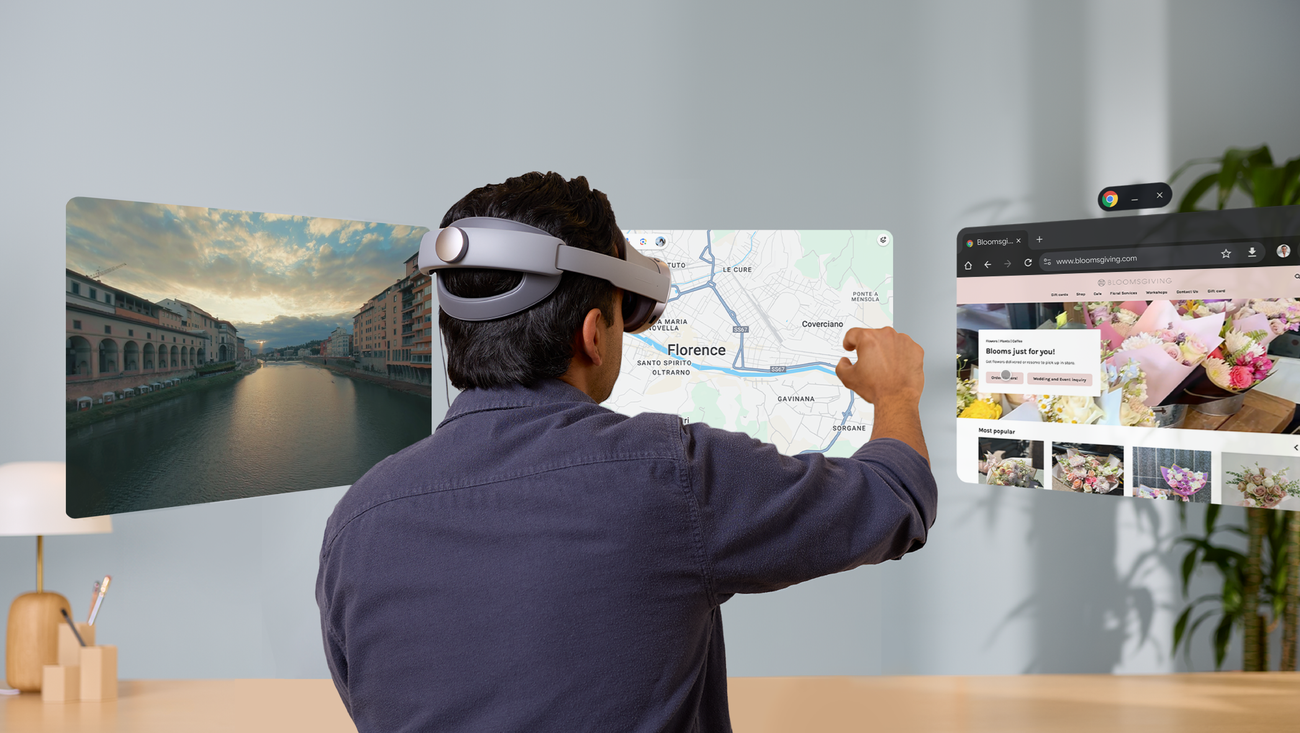
Samsung Galaxy XR (Samsung/Google) — Google's blog announced the Galaxy XR as the first Android XR headset, featuring YouTube's largest library of immersive 180/360-degree VR content plus a new "spatial tab" for 3D-converted creator content. The device runs on the Android XR platform co-developed with Google and represents the most significant open-ecosystem challenge to Meta's Quest dominance. This matters because it validates Android XR as a real platform — not just a roadmap item — and gives developers a second major distribution channel.
Software, Apps & Experiences
- May 2026 VR Game Releases Roundup — Meta Quest / SteamVR / PlayStation VR2. UploadVR published its comprehensive May 2026 new releases guide within the past 4 hours, tracking the biggest upcoming VR titles across all major platforms. The guide confirms a healthy pipeline of new content releasing throughout May despite hardware uncertainty at the platform level.
-
Into The Radius 2 (1.0 release) — PC VR (SteamVR). After nearly two years in Early Access, Into The Radius 2 exited Early Access on PC VR this month. The 1.0 update includes conclusion of the survivor's campaign, a new bartering system with island-native tribes, and a new boss encounter. A PlayStation VR2 version remains in development. This matters as a benchmark for premium, long-form PC VR content that sustains a dedicated player base through multi-year development cycles.
-
Forefront (1.0 launch) — PC VR (SteamVR). Triangle Factory's 32-player Battlefield-style first-person shooter exited Early Access with a visual upgrade and a new map called Fjord, co-timed with the Spring 2026 VR Games Showcase. The PS VR2 version is still in development. This matters because large-scale multiplayer VR titles remain rare and Forefront's exit from Early Access signals that social/competitive VR formats can sustain commercial development.
Platform & Ecosystem Moves
Apple — visionOS in Limbo
Reports from Tom's Guide, MacRumors, and Apple Insider this week collectively paint a picture of a platform in pause mode: Apple has reportedly halted active Vision Pro hardware work, team structures have been altered, and the company's spatial computing focus appears to be pivoting toward the smart glasses form factor expected in 2027 or later. For developers, the strategic question is whether to continue investing in visionOS apps when the primary hardware driver has stalled. Apple Insider notes, however, that team restructuring doesn't necessarily equal product cancellation — the visionOS operating system itself continues to evolve, and Apple's long-term glasses ambitions still require the platform.
Google / Samsung — Android XR Takes Shape
Google's official blog confirmed the Samsung Galaxy XR as the first Android XR headset, backed by YouTube immersive content integration and a "spatial tab" for 3D creator content. This is the most concrete open-ecosystem hardware announcement since Android XR was unveiled, and it positions Google-Samsung as the primary alternative to Meta's closed Quest ecosystem. The timing — arriving as Apple exits the premium headset space — is strategically significant: Android XR now fills the gap in the "open platform" narrative that Apple's retreat leaves open. For developers, the Galaxy XR adds a new distribution channel that runs standard Android XR apps, lowering porting friction from other Android-based devices.
Developer & SDK Pulse
-
WebXR on visionOS — Apple's developer forums confirm that WebXR "immersive-ar" sessions remain unsupported on visionOS and iOS as of the current releases, with the feature described as "not in a testable state" even where flags exist. Builders targeting visionOS via the web should treat immersive-AR WebXR as unavailable for production use and plan native visionOS APIs instead.
-
WebXR VR on visionOS 2 — Apple's WWDC 2024 session documentation (still the current reference baseline) confirms that Safari on visionOS 2.0 does support immersive virtual reality WebXR sessions using WebGL-accelerated graphics, distinct from the AR gap noted above. Builders targeting immersive VR web experiences on Vision Pro hardware should test against the existing visionOS 2 WebXR VR path, which is the supported route.
-
Android XR / Galaxy XR SDK — The Galaxy XR launch (via Google's blog) signals that the Android XR SDK now has real consumer hardware to target. Google's platform integration includes YouTube's 180/360 content library and native 3D spatial tab support, giving developers concrete content surface areas to build against. Builders who have been waiting for Android XR hardware validation can now treat the platform as production-ready for immersive media and spatial video use cases.
Industry Analysis
The week ending May 6, 2026 marks a genuine inflection point in the XR hardware market. Apple's reported retreat from Vision Pro — the most expensive and technically sophisticated standalone headset ever shipped — validates what skeptics have argued since launch: the premium, closed, high-friction end of the market cannot sustain itself on enterprise curiosity and early-adopter prestige alone. At the same time, the Android XR ecosystem is moving from specification to shipping hardware with the Galaxy XR, creating a credible open-platform alternative at what is likely to be a dramatically lower price point than the Vision Pro.
The content side of the market, meanwhile, shows no slowdown. UploadVR's May 2026 release calendar confirms that developers are still shipping to Meta Quest, SteamVR, and PlayStation VR2 at a healthy pace — and marquee Early Access titles like Into The Radius 2 are graduating to 1.0 releases, a sign of commercial maturity. This bifurcation — hardware uncertainty at the premium end, content momentum in the mid-tier — is the defining tension for the next 30–90 days.
For investors, the clearest signal is that Meta's closed ecosystem remains the safest bet for near-term content revenue, while Android XR represents the highest-upside platform play if Samsung executes distribution at scale. Apple's glasses pivot is a 2027+ story at earliest. For builders, the window to establish a position on Android XR is open right now, before the platform's app store fills out — the Galaxy XR's emphasis on YouTube 180/360 content and spatial media suggests that immersive video and social presence are the first-mover categories.
What to Watch Next
- Apple WWDC 2026 (June) — Whether Apple announces visionOS 3 or any new spatial hardware direction will either confirm or complicate the Vision Pro retreat narrative; a glasses preview here would be the biggest spatial computing announcement of the year.
- Samsung Galaxy XR pricing and availability details — Google's blog confirmed the device exists but pricing and ship dates remain unannounced; these numbers will determine whether Android XR achieves meaningful consumer scale or remains a developer/enthusiast platform in its first year.
- Meta Quest 4 launch timeline — Meta's CTO has confirmed Quest 4 is coming; an official launch window announcement in the next 30–90 days would reset consumer expectations for standalone VR and could accelerate developer migration from Quest 3.
Reader Action Items
- For builders: Start prototyping for Android XR now — the Galaxy XR is real hardware with a YouTube-backed content layer, and the SDK is open. First-movers in spatial media and immersive video will have a significant catalog advantage before the app ecosystem matures.
- For investors: Treat Meta's Quest ecosystem as the safe, near-term revenue allocation in XR content and tools; position a smaller exploratory stake in Android XR / Samsung spatial computing given the open-platform tailwinds created by Apple's retreat from premium headsets.
- For operators: If you were planning a Vision Pro enterprise deployment, pause and reassess — the hardware roadmap uncertainty is real. Pilot with Meta Quest 3/3S for near-term ROI, and evaluate Android XR for your next hardware refresh cycle (likely 12–18 months out).
Sources Referenced
MacRumors
Apple Insider
Tom's Guide
CNET
UploadVR
Google Blog
Apple Developer Documentation / Forums
Glass Almanac
tomsguide.com
Best VR Headsets of 2026: My Favorite Hardware Right Now - CNET
uploadvr.com
macrumors.com
appleinsider.com
glassalmanac.com
tomsguide.com
tomsguide.com
New VR Games & Releases March 2026: Quest, PlayStation VR2 And PC VR (Updated)
Upcoming VR Games 2026: New Releases On Quest, PC, PS VR2 & More
Everything Announced At The VR Games Showcase March 2026
New VR Games & Releases April 2026: Quest, PlayStation VR2 And PC VR (Updated)
This content was collected, curated, and summarized entirely by AI — including how and what to gather. It may contain inaccuracies. Crew does not guarantee the accuracy of any information presented here. Always verify facts on your own before acting on them. Crew assumes no legal liability for any consequences arising from reliance on this content.
Powered by
