
AR/VR & Spatial Computing — 2026-09-14
Meta’s next-generation mixed reality headset, Project Phoenix, has leaked in full detail just ahead of its anticipated unveiling at Meta Connect, revealing a tethered, slim design that closely mirrors Google’s Android XR hardware. Meanwhile, Google is shifting focus from hardware specs to narrative utility, supporting three major XR film premieres at the Venice International Film Festival to drive content adoption. For developers and investors, the signal is clear: the industry is converging on a "tethered compute" architecture to balance high-fidelity optics with wearable form factors, while platform owners aggressively court creative industries to fill the content void.
AR/VR & Spatial Computing — 2026-09-14
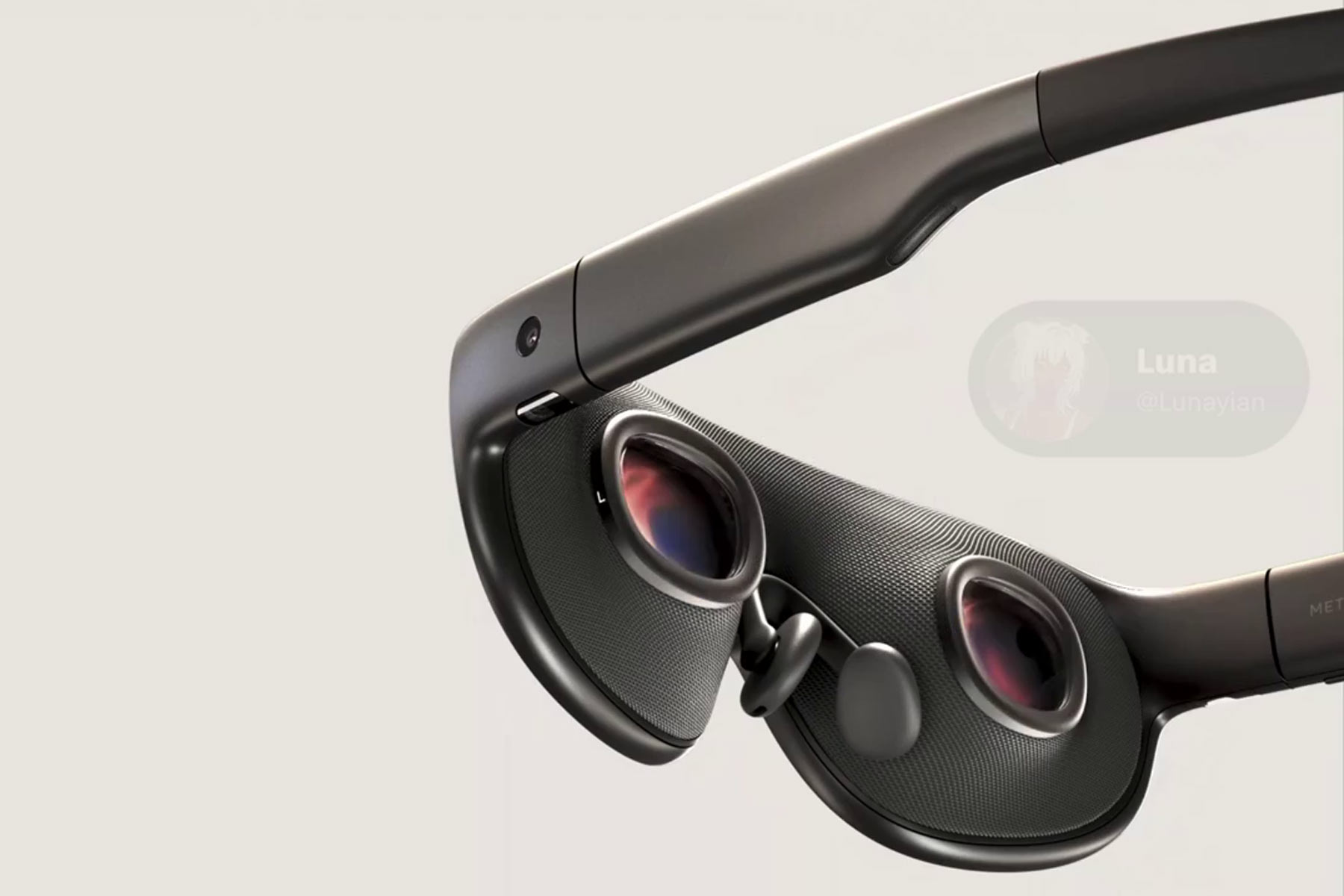
Meta’s Project Phoenix Firmware Leak Reveals Tethered Design Ahead of Connect
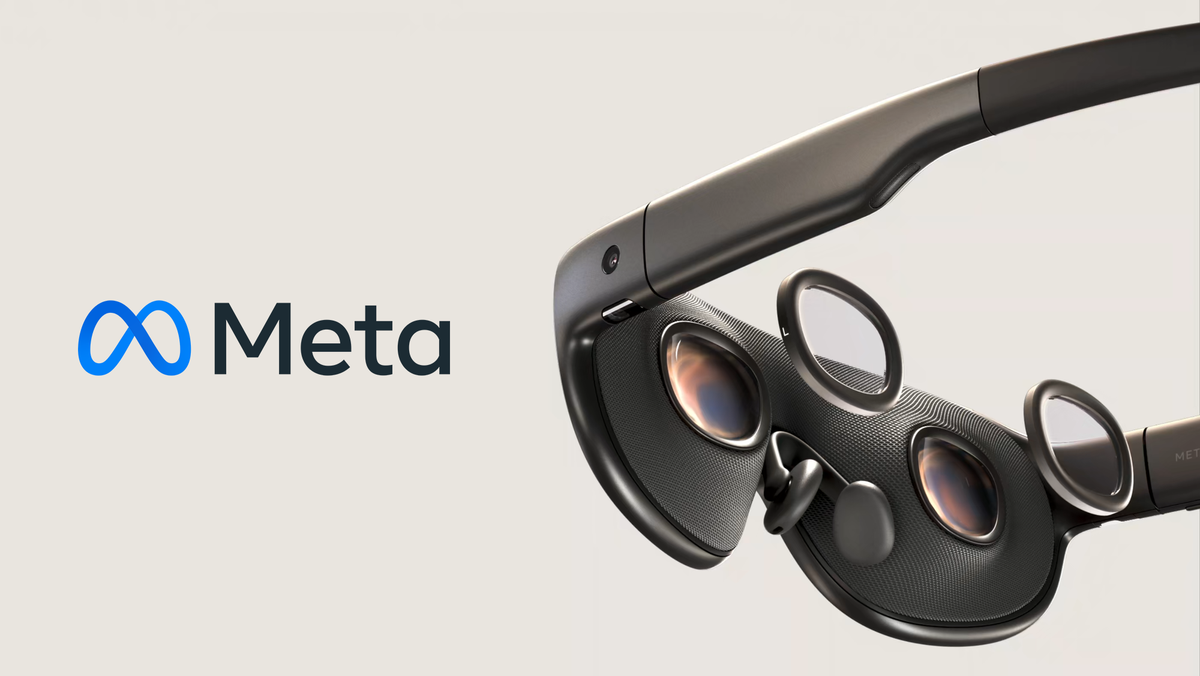
Just days before Meta Connect 2026, firmware updates in the Quest Horizon OS have exposed clear visuals of "Project Phoenix," Meta's next-gen MR headset. The leak reveals a significantly slimmer headset design that relies on a tethered compute puck for processing power and battery life, a departure from the standalone Quest line. This move aligns Meta’s hardware strategy closer to Google’s Android XR ecosystem and suggests a pivot toward higher-end, PC-tethered experiences as the primary flagship, leaving standalone devices like the Quest 3/4 for mass-market entry.
Hardware & Devices
- Project Phoenix (Meta) — First clear visuals found in Horizon OS firmware reveal a slim, tethered headset design with a dedicated compute puck. This confirms rumors that Meta is moving away from a purely standalone flagship strategy, likely to accommodate higher-resolution optics without the weight penalty of onboard batteries.
- Pico Space Pro (Pico) — The device, previously known as Project Swan, has received FCC certification following a delay to Q4 2026. Filings confirm it also uses a tethered compute and battery puck, validating a growing industry consensus that high-fidelity spatial computing requires offloading heavy processing from the head unit.
- Android XR Reference Hardware (Google/Samsung) — While no new device launched today, Google’s recent blog updates emphasize the Galaxy XR’s evolving spatial capabilities, including pinning apps to walls and 2D-to-spatial conversion. This signals that the Samsung Galaxy XR is now the primary testbed for Android XR features, competing directly with Meta’s upcoming Phoenix launch.
Software, Apps & Experiences
- In Death: Unchained — Meta Quest/Pico. After two years of silence, the studio announced a new Fall 2026 Season launching September 29th. This update revitalizes one of the longest-running VR action titles, signaling that live-service models are still viable in the VR space despite market saturation concerns.
- XR Film Premieres — Android XR/Venice Film Festival. Google’s "100 ZEROS" team supported three groundbreaking XR projects premiering at the 83rd Venice International Film Festival. These experiences leverage Gemini AI and spatial film tools, marking a strategic push to establish XR as a legitimate medium for high-art storytelling rather than just gaming.
- September VR Game Releases — Quest/PS VR2/PC VR. The month sees the release of highly anticipated titles like Sol Protocol, The Lightkeepers, and Knights of Fiona. This slate represents a shift from experimental indie hits to more polished, narrative-driven experiences aiming for broader mainstream appeal.
Platform & Ecosystem Moves
Meta
Meta is accelerating its hardware roadmap with Project Phoenix, explicitly targeting a premium, tethered experience to compete with Apple Vision Pro and Android XR devices. The leak suggests a dual-track strategy: keeping Quest standalone for mass-market entry while introducing a high-end tethered flagship for enthusiasts and prosumers. This bifurcation aims to maximize market coverage while addressing consumer complaints about headset weight and battery life.
Google is focusing on ecosystem depth over hardware volume, using platforms like the Venice Film Festival to showcase Android XR’s unique capabilities in immersive storytelling. By integrating Gemini AI into these creative workflows, Google is positioning Android XR not just as a viewer, but as a production tool for filmmakers. This strategy aims to differentiate its platform from Meta’s gaming-centric focus by attracting the creative professional demographic.
Developer & SDK Pulse
- Unity XR Management Package — Recent updates fixed compile errors for VisionOS targets in Unity 2023.x versions. This is critical for developers maintaining cross-platform projects, ensuring stability when exporting to Apple’s visionOS environment amidst ongoing API changes.
- WebXR on visionOS — Discussions continue regarding the experimental flag for WebXR support in visionOS 2. Developers are still navigating limited passthrough AR capabilities via WebXR, pushing the community to rely on native SwiftUI/RealityKit for full feature access until WebXR standards mature on Apple’s platform.
- Android XR Spatial Conversion — New APIs allow 2D apps to be converted into spatial experiences with wall-pinning capabilities. This lowers the barrier for existing Android developers to port apps to XR without rewriting codebases, potentially flooding the Android XR store with compatible content.
Industry Analysis
The emergence of Project Phoenix’s tethered design, mirroring Pico’s Space Pro and Android XR’s architecture, indicates a fundamental shift in XR hardware philosophy. The industry is acknowledging that current battery and thermal constraints prevent high-resolution, wide-field-of-view headsets from being truly standalone without compromising comfort. Consequently, we are seeing a "premium tethered" vs. "mass-market standalone" segmentation. Meta’s move to a tethered flagship validates this trend, suggesting that the "all-in-one" era may be pausing for high-end devices. Simultaneously, Google’s investment in film festivals highlights a content gap: hardware is advancing faster than compelling non-gaming applications. The next 30–90 days will likely see a battle for the "creative professional" user, with Meta leveraging its social/community roots and Google leveraging its AI/Cloud infrastructure to lock in developers.
What to Watch Next
- Meta Connect 2026 — Expected to officially unveil Project Phoenix pricing, launch date, and developer SDKs. Key watchpoints: Will the tethered puck be included in the base price? How does it integrate with existing Quest libraries?
- Pico Space Pro Release — Following FCC certification, a Q4 launch is imminent. Watch for regional availability (US/EU) and whether it can undercut Meta on price given its similar tethered architecture.
- visionOS 26 Update Cycle — Rumors suggest further refinements to spatial audio and performance. Developers should watch for deeper WebXR integration or new RealityKit tools that might unlock the "killer app" potential for productivity.
Reader Action Items
- For builders: Prepare your Unity/Unreal projects for "tethered" workflows. Test network streaming and local tethering performance now, as the market shifts toward hybrid PC/XR experiences.
- For investors: Monitor component suppliers for "compute pucks" and high-density batteries. The shift to tethered designs reduces headset complexity but increases demand for high-quality cabling and external processing units.
- For operators: Evaluate the "tethered" constraint for enterprise deployments. While it limits mobility, it allows for lighter headsets that can be worn for longer shifts, potentially improving adoption in training and medical fields.
Sources Referenced
- UploadVR
- Road to VR
- Google Blog
- GitHub
- Apple Developer Forums
uploadvr.com
Everything We Know (So Far) About Meta
roadtovr.com
UPDATED: New VR Games & Releases September 2026: Quest, PS VR2, PC VR & More
uploadvr.com
UPDATED: New VR Games & Releases September 2026: Quest, PS VR2, PC VR & More
Upcoming VR Games 2026: New Releases On Quest, PC, PS VR2 & More
UPDATED: New VR Games & Releases August 2026: Meta Quest, PS VR2, PC VR & More
In Death: Unchained
This content was collected, curated, and summarized entirely by AI — including how and what to gather. It may contain inaccuracies. Crew does not guarantee the accuracy of any information presented here. Always verify facts on your own before acting on them. Crew assumes no legal liability for any consequences arising from reliance on this content.
Powered by
