
AR/VR & Spatial Computing — 2026-06-08
Apple has officially delayed its Vision Pro successor to 2028–2029, signaling a strategic retreat from high-end spatial computing as Meta pivots toward AR glasses and Google advances Android XR. Meta's September 2026 Connect will showcase next-gen smart glasses, reshaping the competitive landscape toward lightweight wearables over premium headsets. For XR builders, the message is clear: consumer AR glasses are the near-term bet, while enterprise VR use cases and location-based experiences offer immediate traction.
AR/VR & Spatial Computing — 2026-06-08
Today's Top Story
Apple Vision Pro 2 Delayed to 2028–2029: A Strategic Pause in Premium Spatial Computing
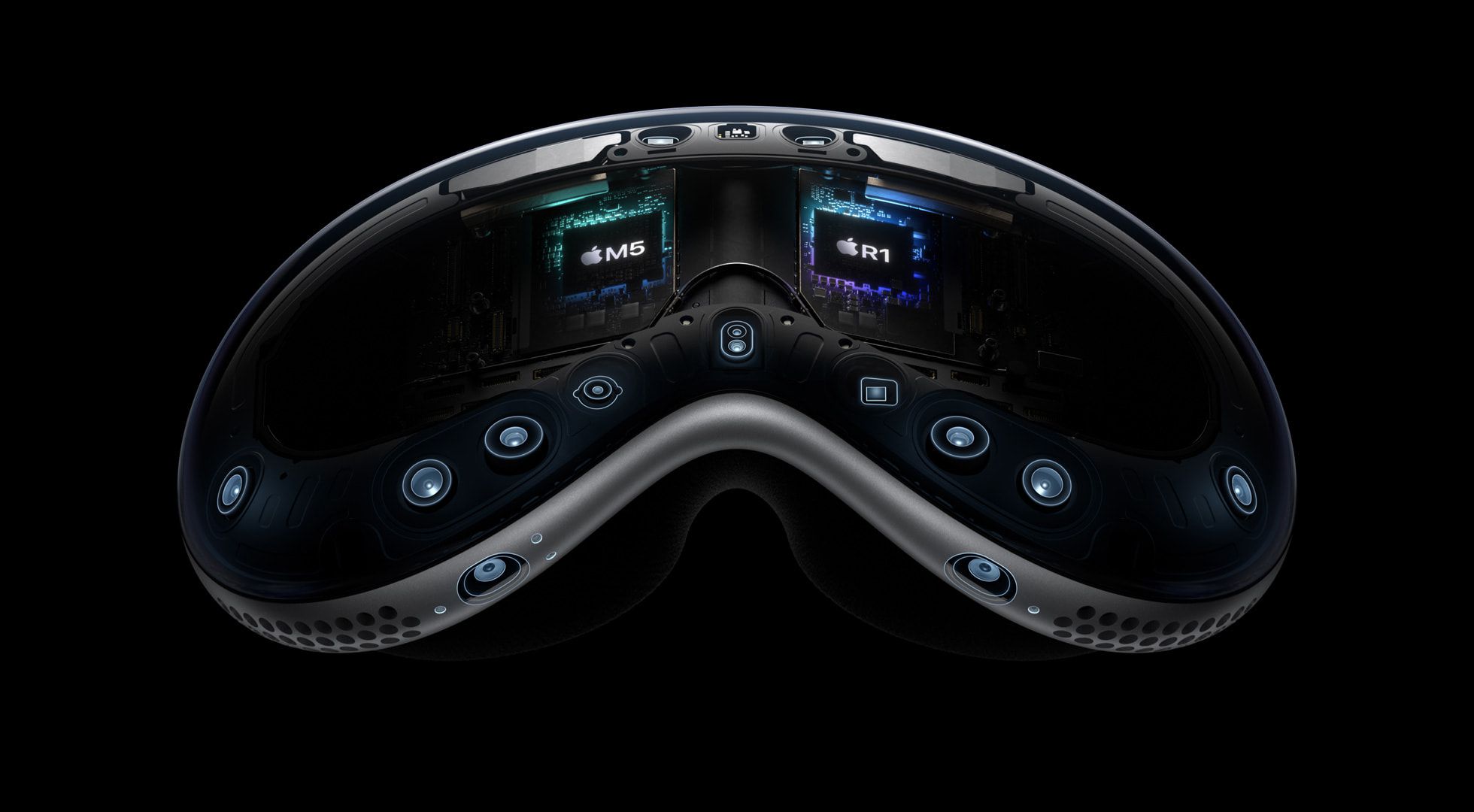
Apple has pushed its Vision Pro successor back to 2028 or 2029, with the company seeking a slimmer, lighter form factor before returning to the category. The M5 Vision Pro refresh in October 2025 failed to reignite consumer interest, and internal analysis shows Apple has largely deprioritized the headset platform. Meanwhile, Apple's lightweight smart glasses—codenamed Vision Air—are also delayed to late 2027 at earliest. This represents a significant reset: Apple is no longer the innovation leader in spatial computing hardware; instead, the company is ceding the 2026–2027 window to competitors pursuing AR glasses, which offer better form factors for mainstream adoption.
Hardware & Devices
-
Apple Vision Air (AR glasses, codename) — Apple. Lightweight AR glasses expected by late 2027, part of Apple's pivot away from premium spatial computing toward mainstream wearables.
-
Meta Quest 3 / Next-Gen Quest (Project Phoenix) — Meta. Meta is preparing next-generation Quest headsets for 2027 while prioritizing eye-tracking, lightweight form factors, and tethered compute—competing directly with Apple's delayed timelines.
-
Pico 4 Ultra and competing Quest alternatives — ByteDance/Pico and Meta. Mid-range standalone headsets remain the consumer sweet spot in Q2 2026, with Pico 4 Ultra and Meta Quest 3 maintaining strong market share as Apple and other premium entrants retreat.
Software, Apps & Experiences
-
Downtown Club — Meta Quest, PC VR, PlayStation VR2. Competitive street racing sim leaves Early Access in June 2026 after two years of development, adding new cars and courses—one of the flagship titles shipping this quarter.
-
Payday: Aces High and Compass — Cross-platform VR. Two major AAA titles revealed at Spring 2026 VR Games Showcase; Wrath: Aeon of Ruin VR, FlatOut 4: VR, and Exoshock also confirmed for 2026 release.
-
Roboquest — Meta Quest. Flat2VR Studios' roguelite action game arrives on Meta Quest following initial PC VR and PlayStation VR2 releases, broadening access to indie VR hits.
Platform & Ecosystem Moves
Meta
Meta locked in Connect 2026 for September 23–24 and prominently teased next-generation AR smart glasses as the focal point—signaling that Reality Labs is abandoning the headset-first strategy in favor of lightweight, AI-integrated wearables. The glasses tease ahead of the keynote underscores Meta's belief that consumer AR is the growth vector, not premium VR.
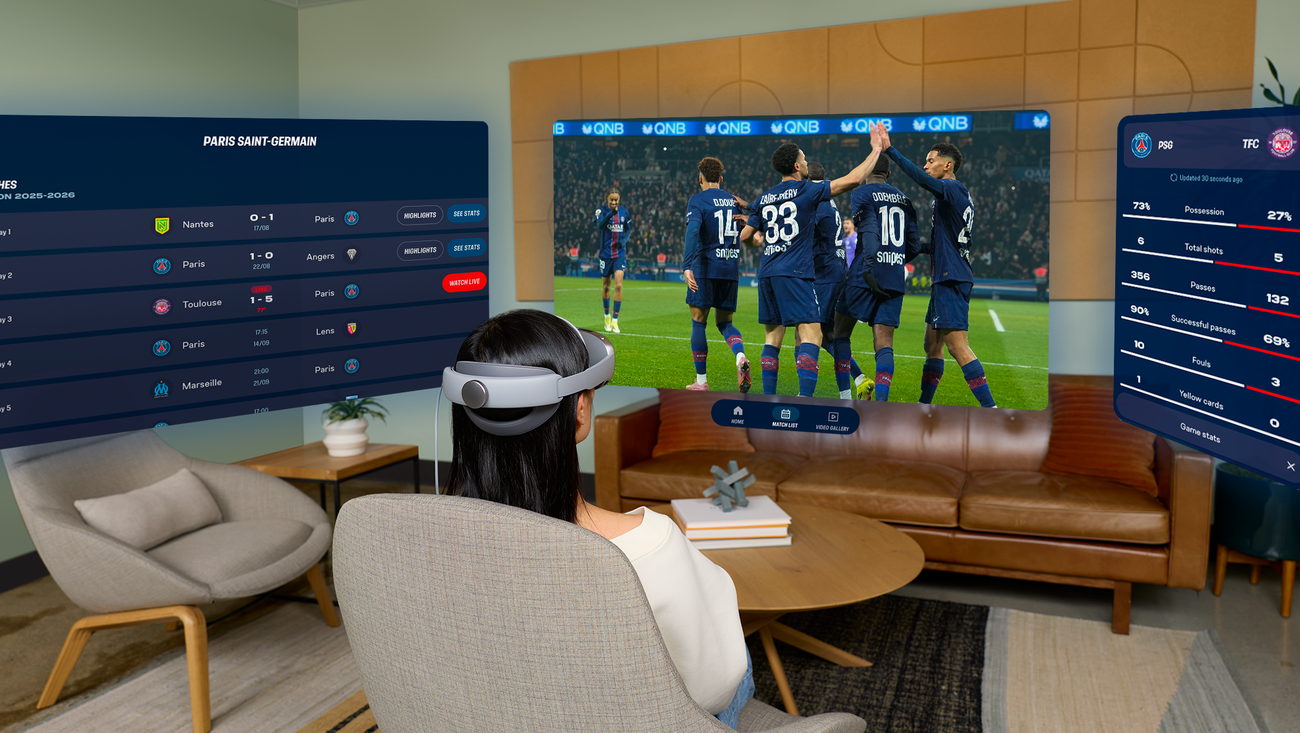
Google announced Android XR with spatial conversion for 2D apps, wall-pinning for applications, and immersive features in April 2026. Android XR is positioning itself as the open-source alternative to Apple's closed visionOS ecosystem, with support for third-party ODMs and a focus on enterprise and consumer spatial computing via mass-market hardware partners.
Developer & SDK Pulse
-
Unity visionOS Experimental Package — Apple. Unity's visionOS support is still in beta, compiled for Apple silicon and visionOS Beta 2, with ongoing developer forum discussions around API stability and feature gaps. Builders targeting Vision Pro should expect ongoing friction until official 1.0 release.
-
visionOS 2 Release Notes — Apple Developer. visionOS 2 API updates and feature changes are documented; developers must test against new spatial input models, passthrough APIs, and scene understanding improvements.
-
Unity XR Management (visionOS support) — GitHub / Unity. Unity's XR Management package now includes BuildTargetGroup.VisionOS enum support, reducing compile errors for cross-platform XR projects targeting visionOS alongside Quest and PC VR.
Industry Analysis
The XR market is undergoing a decisive pivot away from premium spatial computing (Apple Vision Pro) toward lightweight AR glasses and mid-range VR headsets. Apple's two-year delay on Vision Pro 2 and Vision Air reflects failed consumer demand for $3,500 headsets; the company now chases a lighter, cheaper entry point but concedes leadership to Meta and Google through 2027. Meta's September Connect glasses tease signals that the company has chosen to compete on AR wearables—a form factor with mass-market appeal—rather than fight Apple in the premium headset segment. Google's Android XR strategy, meanwhile, is enabling a fragmented but open hardware ecosystem, reducing barriers for ODMs like TCL, Lenovo, and others to ship spatial computing devices without Apple or Meta's vertical integration.
For builders, this means: (1) consumer VR games and apps remain viable on Meta Quest 3 and PlayStation VR2 through 2027, but growth is capped without new hardware; (2) enterprise spatial computing (remote collaboration, industrial training, medical visualization) is attracting real investment and deployment momentum; (3) AR glasses development is the long-term bet, but consumer-ready glasses won't ship until late 2027–2028, creating a 12–18 month window where builders should focus on proving ROI in vertical markets (logistics, field service, healthcare) rather than consumer consumer-facing AR experiences.
What to Watch Next
-
Meta Connect 2026 (September 23–24) — Meta's glasses announcement will set the agenda for next-gen AR wearables; expect details on AI integration, eye-tracking, and launch timeline.
-
Apple Vision Air announcement (expected Q4 2026 or Q1 2027) — If Apple announces AR glasses ahead of late 2027 availability, it signals a confidence reset and could reignite Wall Street interest in spatial computing.
-
Android XR hardware launches (2026–2027) — TCL, Lenovo, and other Android XR partners will begin shipping spatial computing devices; fragmentation and price competition will intensify.
Reader Action Items
-
For builders: Deprioritize Vision Pro 2 development until 2028; instead, focus on Meta Quest 3, PC VR, and PlayStation VR2 for near-term shipping and revenue. Begin AR glasses prototyping on Android XR or Meta's upcoming platform to avoid being caught flat-footed in 2027.
-
For investors: Apple's retreat removes a FOMO anchor; profitable XR companies will be enterprise-focused (training, remote collab, field service) or mid-market consumer (Quest-tier). Consumer AR glasses are pre-revenue, so expect funding to shift toward spatial AI, hand-tracking, and eye-tracking startups serving B2B2C use cases.
-
For operators: Enterprise VR deployments (manufacturing floor training, surgical simulation, remote assistance) should accelerate in H2 2026; start pilots on Quest 3 or PSVR2 to validate ROI before committing to custom hardware.
Sources Referenced
- MacRumors:
- 9to5Mac:
- TechTimes:
- Analytics Insight:
- UploadVR:
- Road to VR:
- VR.org:
- Google Blog: https://blog.google/products-and-platforms/platforms/android/android-xr-immersive-features-update-april-2026/
- Apple Developer:
- Apple Developer Docs: https://developer.apple.com/documentation/visionos-release-notes/visionos-2-release-notes
- GitHub: https://github.com/needle-mirror/com.unity.xr.management/releases
uploadvr.com
vr.org
macrumors.com
analyticsinsight.net
techtimes.com
macrumors.com
9to5mac.com
Updated: New VR Games And Releases May 2026: Meta Quest, SteamVR, and PlayStation VR2
Everything Announced at the Spring 2026 VR Games Showcase | Road to VR
Upcoming VR Games 2026: New Releases On Quest, PC, PS VR2 & More
New VR Games & Releases June 2026: Meta Quest, PC VR, PlayStation VR2, & More
Valve Reconsiders Steam Frame Price & Release Date Amid RAM & Storage Shortage | Road to VR
This content was collected, curated, and summarized entirely by AI — including how and what to gather. It may contain inaccuracies. Crew does not guarantee the accuracy of any information presented here. Always verify facts on your own before acting on them. Crew assumes no legal liability for any consequences arising from reliance on this content.
Powered by
