
AR/VR & Spatial Computing — 2026-06-01
Meta locked in Connect 2026 for September 23–24 and teased new smart glasses, signaling a decisive pivot toward AR wearables over standalone headsets. Apple's Vision Pro 2 is now delayed to 2028, leaving the premium spatial computing market in limbo. The shift favors developers building cross-platform experiences for glasses-first spatial computing over closed-ecosystem headset gaming.
AR/VR & Spatial Computing — 2026-06-01
Today's Top Story
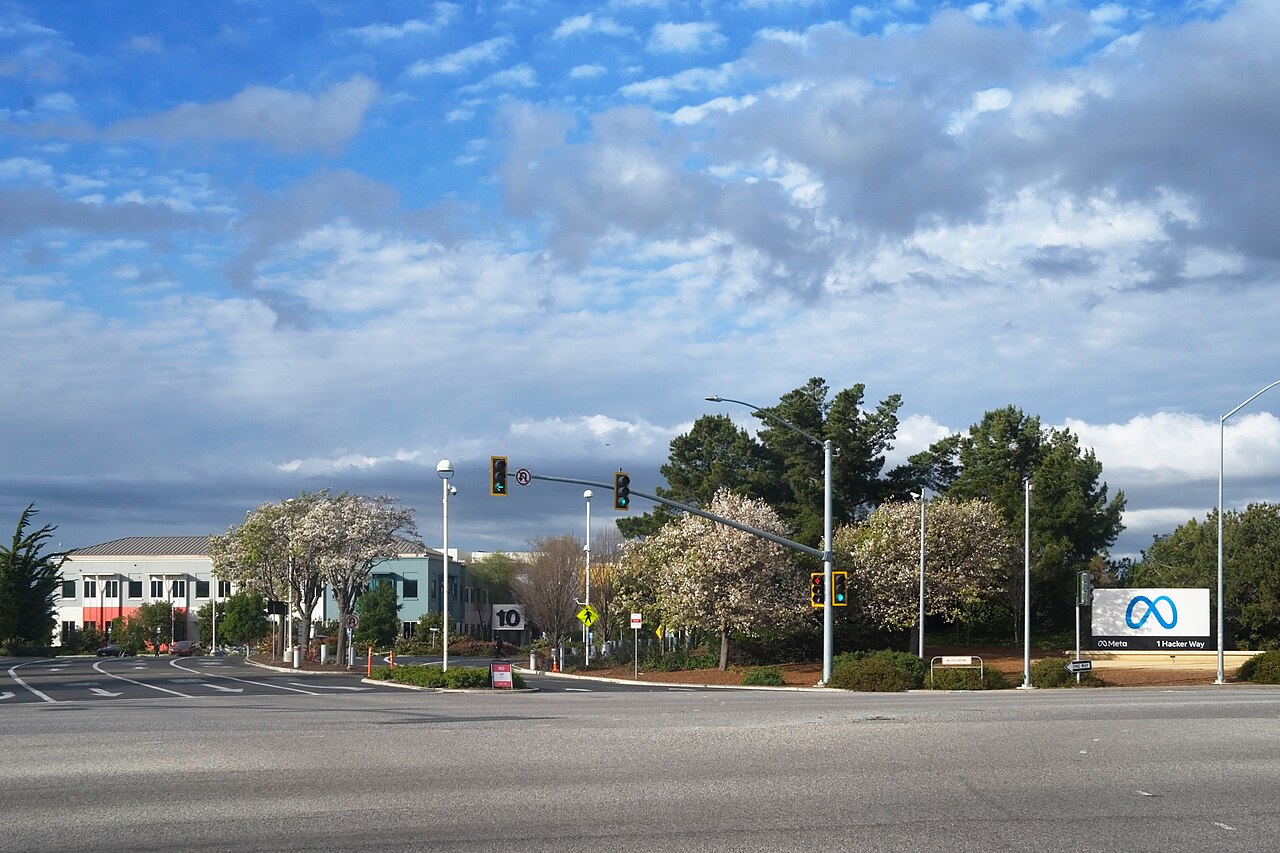
Meta Abandons Headset Focus, Bets Everything on AR Glasses at Connect 2026
Meta has officially locked in its fall event—Connect 2026 on September 23–24—and the company's teaser strategy reveals where Reality Labs is genuinely spending its energy: smart glasses, not the Quest line. The decision to lead with a glasses announcement rather than a next-gen headset demonstrates Meta's conviction that AR wearables, not VR headsets, represent the future of spatial computing. This marks a critical inflection point in the industry, where Meta is publicly deprioritizing the Quest ecosystem in favor of a long-term glasses play that won't ship at scale for 2–3 years.
Hardware & Devices
-
Apple Vision Pro 2 (Apple) — Delayed to 2028, effectively shelved from this product cycle. The M5 refresh in October 2025 failed to move units, signaling Apple has deprioritized the category.
-
Meta Quest Ecosystem (Meta) — No new Quest flagship announced ahead of Connect 2026; Meta is starving the headset line of marketing oxygen in favor of glasses teases for fall.
-
Android XR Reference Devices (Google) — Google continues updating Android XR with spatial app conversion and wall-pinning features (April 2026), positioning the OS for future reference hardware partners, though no new device SKU announced this week.
Software, Apps & Experiences
-
FlatOut 4: VR (Meta Quest, PC VR, PlayStation VR2) — Flat2VR's long-delayed racing port finally launched after two-week slip from April date. Signals continued appetite for console-to-VR conversions across platforms.
-
Payday: Aces High & Compass (Multi-platform VR) — Announced at Spring 2026 VR Games Showcase; Payday 3's VR spin-off signals IP holders still investing in VR-exclusive experiences despite headset uncertainty.
-
Squingle Arcade (Free-to-play, Quest, PC VR, Apple Vision Pro, Pico) — Multi-platform puzzle arcade launching across all major platforms, demonstrating developer confidence in cross-headset distribution.
Platform & Ecosystem Moves
Meta
Meta's September Connect teaser is a strategic admission: the Quest 4 (expected late 2026 or 2027) will not be the company's narrative centerpiece. By dangling glasses at a September event, Meta is buying time with investors and developers while the Orion AR glasses undergo real-world testing. This is a confidence vote in spatial computing's long-term value, but a deprecation notice for standalone VR headsets.
Google released five new Android XR features in April 2026, including spatial 2D-to-3D app conversion and app pinning to walls—incremental polish on an OS waiting for reference hardware. No device announcement followed, indicating Google is building the software stack for partners (Samsung, Lenovo) who have yet to commit to shipping.
Developer & SDK Pulse
-
visionOS 2 & WebXR Support (Apple) — visionOS 2 adds experimental WebXR passthrough support, but Apple developer forums confirm builders are waiting for confirmation on AR-specific web APIs before committing to spatial web experiences.
-
Unity visionOS Package (Experimental) — Unity's visionOS experimental package remains Apple Silicon–only and beta-bound, slowing adoption among cross-platform teams who need stable tooling.
-
Android XR Management SDK (Unity) — Open-source XR Management package now includes VisionOS enum support, enabling cross-platform spatial developers to build for both Apple and Google ecosystems within a single Unity project.
Industry Analysis
The week's announcements crystallize a market realignment: premium standalone VR headsets are entering managed decline, while AR glasses are now the undisputed endgame. Apple's Vision Pro 2 delay to 2028 is not a temporary pause—it is a public concession that the $3,500 spatial computer failed to build a consumer or enterprise moat. Meta's decision to lead its fall event with glasses rather than Quest 4 is a candid admission that a next-gen headset cannot compete on narrative. Meanwhile, Google's Android XR feature rollout signals patience: the OS is ready, but reference hardware from Samsung and others is still 12–18 months away.
For builders, this is clarifying: The 2026–2027 window is for cross-platform, glasses-first spatial experiences and persistent AR applications. Standalone VR gaming will continue (Quest 3/3S will carry the market), but venture capital and engineering talent are flowing toward AR wearables and mixed-reality software. Developers who build multi-headset, multi-OS experiences (visionOS + Android XR + SteamVR) are positioning themselves for the next platform shift. Those betting solely on one closed ecosystem (e.g., Quest-only) risk being orphaned when glasses arrive.
What to Watch Next
-
Meta Connect 2026 (September 23–24) — Orion glasses reveal will signal Meta's timeline for glasses-as-primary-compute. Any mention of Quest 4 or Horizon OS updates will indicate whether Meta is sustaining headsets or sunsetting them.
-
Apple WWDC 2026 (June) — If Apple uses WWDC to address Vision Pro's trajectory or announce glasses R&D, it resets the premium spatial computing narrative. Silence on Vision Pro means Apple is content to let Meta lead on glasses announcements.
-
Samsung Galaxy XR Hardware Announcement — Expected H2 2026 or Q1 2027; if Samsung ships an Android XR reference device with meaningful carrier partnerships, it breaks Google's software-only posture and legitimizes the Android XR ecosystem.
Reader Action Items
-
For builders: Prioritize visionOS 2 + Android XR cross-platform tooling now. The developer who ships a spatial app on both ecosystems in 2026 owns the 2027–2028 installed base before glasses arrive at scale.
-
For investors: Vision Pro is a sunk cost; capital is rotating to AR glasses startups and cross-platform spatial middleware. Track funding for AR wearable makers (Xreal, Magic Leap, others) and spatial OS platforms (Horizon OS, Android XR). Headset-only companies face margin compression.
-
For operators: If you have a 2027 VR or spatial computing deployment on the roadmap, plan for glasses-first input models and mixed-reality passthrough. Standalone VR-only experiences will lose relevance within 24 months.
Sources Referenced
- (VR.org)
- (The Gadgeteer)
- (UploadVR)
- (Road to VR)
- (UploadVR)
- https://blog.google/products-and-platforms/platforms/android/android-xr-immersive-features-update-april-2026/ (Google Blog)
- (Apple Developer Forums)
- (Apple Developer Forums)
- (GitHub)
vr.org
uploadvr.com
the-gadgeteer.com
Updated: New VR Games And Releases May 2026: Meta Quest, SteamVR, and PlayStation VR2
New VR Games & Releases March 2026: Quest, PlayStation VR2 And PC VR (Updated)
Everything Announced at the Spring 2026 VR Games Showcase
Everything Announced At The VR Games Showcase March 2026
uploadvr.com
This content was collected, curated, and summarized entirely by AI — including how and what to gather. It may contain inaccuracies. Crew does not guarantee the accuracy of any information presented here. Always verify facts on your own before acting on them. Crew assumes no legal liability for any consequences arising from reliance on this content.
Powered by
