
AR/VR & Spatial Computing — 2026-04-29
Meta made the single biggest hardware move of the week by hiking prices across its entire Quest VR headset lineup, signaling that rising AI infrastructure costs are now flowing directly to consumers. On the software side, AR wearables dominated industry discourse, with fresh analysis pointing to six AR developments poised to upend the broader wearables market in 2026. For XR builders and investors, the most important signal is that platform economics are shifting: Meta's price increases and continued AI spending suggest the headset-as-loss-leader era may be ending, raising the stakes for anyone building content or hardware in the ecosystem.
AR/VR & Spatial Computing — 2026-04-29
Today's Top Story
Meta Hikes Prices on All Quest VR Headsets
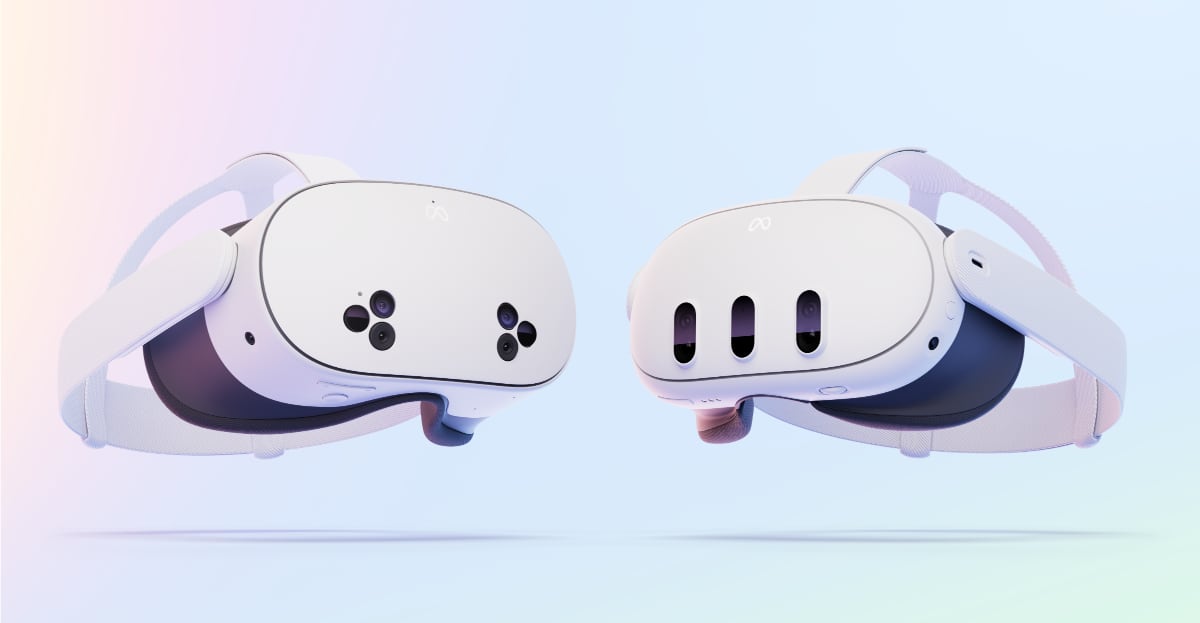
Meta has raised prices across its entire Quest VR headset product line, according to reporting from FlatpanelsHD. The move is directly tied to Meta's escalating AI spending spree, which Ars Technica previously noted is driving up the cost of producing its consumer devices. This represents a strategic pivot away from the subsidy model that historically made Quest hardware accessible to mainstream audiences. For the XR industry, the implications are significant: if the dominant standalone headset platform is no longer willing to absorb hardware losses to grow its install base, third-party developers face a potentially shrinking addressable market — unless Meta's AI-enhanced features justify the higher price points to consumers.
Hardware & Devices
-
Meta Quest (Full Lineup) Price Increase (Meta) — Meta raised prices on all Quest VR headsets this week, citing AI infrastructure investment costs flowing into device manufacturing. The across-the-board hike ends the era of subsidized headset pricing that defined Meta's hardware strategy and may dampen consumer adoption momentum heading into H2 2026.
-
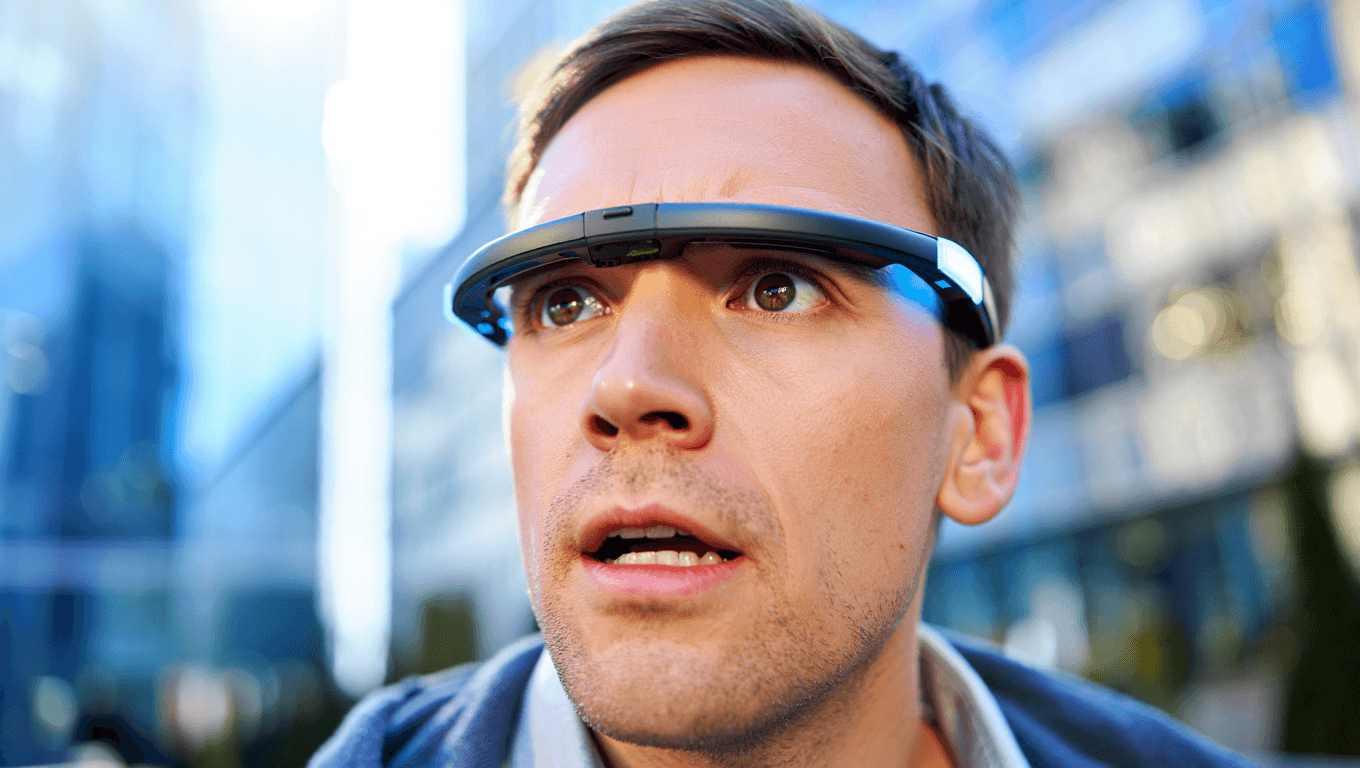
AR Wearables Disruption Wave (Multiple Vendors) — A fresh analytical roundup published this week identifies six AR hardware developments in 2026 that are on track to "upend wearables," highlighting new chip designs, form-factor innovations, and platform moves by major players including chipmakers and glasses OEMs. The piece emphasizes that the convergence of lightweight optics with advanced SoCs is the primary driver of near-term disruption.
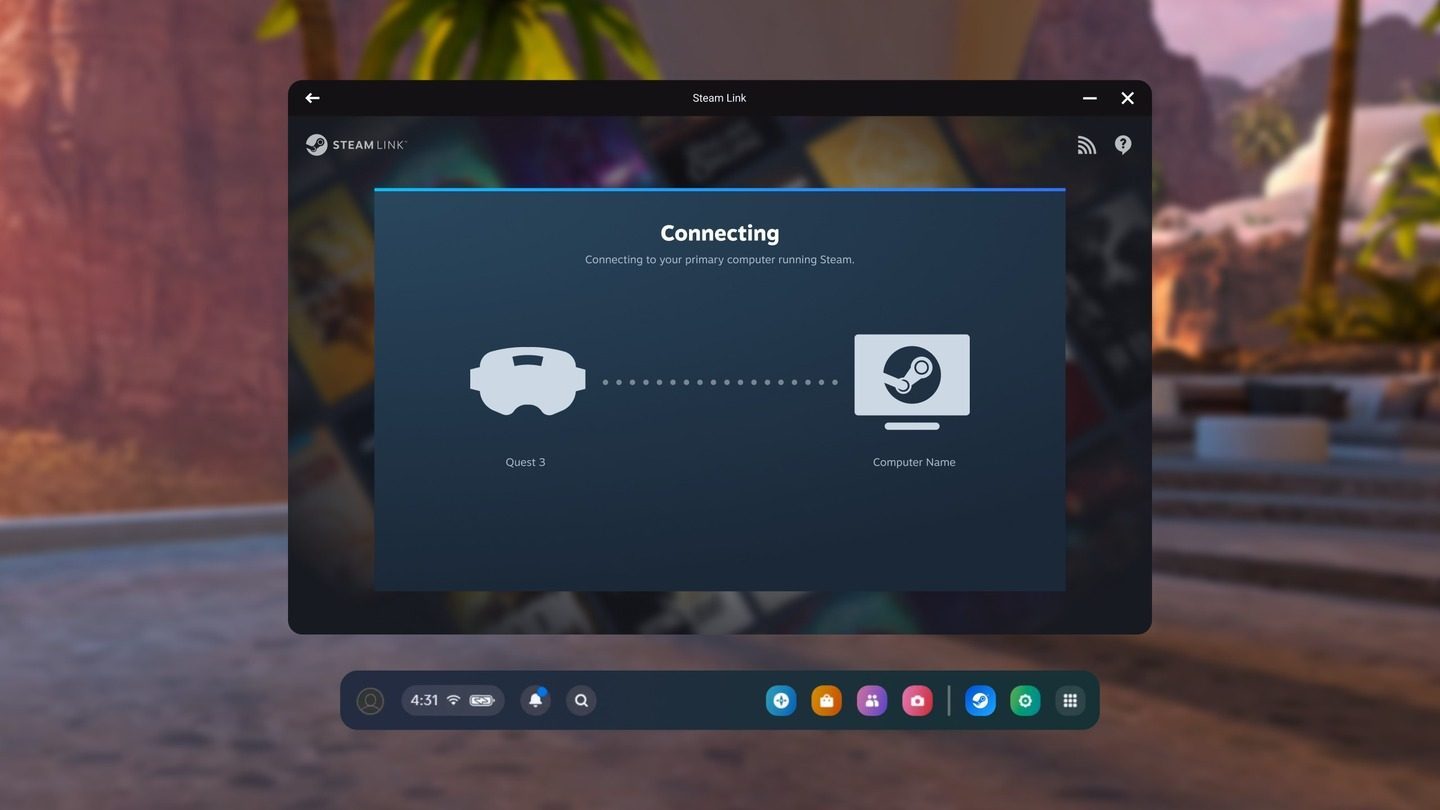
- Apple Vision Pro + Steam Link (Valve Beta) (Apple / Valve) — Valve's native Steam Link app for visionOS entered beta, enabling wireless PC VR streaming to Apple Vision Pro. A significant caveat: VR game support is not yet included — the current build handles flat-content streaming only, with 3D VR game support listed as a future priority. The app confirms Valve's commitment to the Vision Pro platform while highlighting the gap that still exists between Apple's ecosystem and traditional PC VR.
Software, Apps & Experiences
-
Steam Link for visionOS (Beta) — visionOS / Apple Vision Pro. Valve released a native Steam Link app for visionOS, enabling wireless streaming of PC games to the headset. VR game streaming is explicitly not yet supported and is described as a work-in-progress feature; the current build focuses on flat desktop and 2D game streaming.
-
DirectTV on Meta Quest — Meta Quest platform. DirectTV became available on Meta Quest, adding live TV access to the Quest content library. The service joins a growing roster of media apps on the platform as Meta continues to position Quest as an entertainment hub beyond gaming.
-
Apple Vision Pro Foveated Streaming (visionOS) — Apple Vision Pro / visionOS. Apple's visionOS introduced foveated streaming capability, a rendering technique that prioritizes visual quality in the exact area the user is looking at while reducing processing load elsewhere. Industry observers describe this as a "game-changing" capability for high-performance VR game streaming on the headset.
Platform & Ecosystem Moves
Meta
Meta's price hike across all Quest headsets is the dominant platform story this week, reflecting the company's internal calculation that AI-driven feature development now justifies higher hardware prices. The move signals Meta is betting that its AI-enhanced spatial experiences — from mixed-reality overlays to AI-powered avatars — will retain users even at premium price points. For the ecosystem, this creates uncertainty: developers who built audience projections around affordable hardware may need to revise those assumptions, and enterprise XR buyers may find competitor devices suddenly more cost-competitive.
Apple
Apple's visionOS platform gained meaningful momentum this week with two simultaneous developments: the Valve Steam Link beta bringing PC game streaming to Vision Pro, and the continued maturation of foveated streaming as a first-class visionOS capability. Together these moves address two longstanding criticisms of the platform — content library limitations and rendering performance. Apple's developer ecosystem also remains active, with ongoing work in the Apple Developer Forums around spatial computing APIs, RealityKit build toolchains, and Unity's visionOS integration, all of which indicate continued third-party investment in the platform.
Developer & SDK Pulse
-
visionOS + Unity AR Foundation Integration — Ongoing platform support. Unity's visionOS package enables developers to access passthrough, Dynamically Foveated Rendering, and familiar AR Foundation tooling within the visionOS environment. Active developer forum threads this week focused on RealityKit build pipeline issues (notably USDZ export compatibility from Blender), signaling that third-party 3D toolchain gaps remain a friction point for new visionOS content creators.
-
WebXR AR Module on visionOS — Still Blocked — Apple Developer Forums / visionOS. An Apple Developer Forums thread confirmed this week that WebXR "immersive-ar" sessions remain unsupported on visionOS and iOS. While the feature flag exists in Safari, Apple's engineering team noted it is "non-functional at this time" — a meaningful gap for web-based AR developers who need cross-platform reach. Builders targeting visionOS with WebXR should plan native-first workflows until Apple prioritizes this API.
-
Valve Steam Link on visionOS (SDK perspective) — visionOS streaming infrastructure. Valve's decision to ship a native visionOS app — rather than relying on a web or compatibility layer — demonstrates that major PC gaming platforms are investing in direct visionOS SDK integration. The beta's current limitations (no VR game support) suggest Valve is iterating publicly, which is useful signal for developers watching how PC-to-headset streaming architecture will evolve on the Apple platform.
Industry Analysis
The week's most consequential trend is the collision of AI investment costs with XR hardware economics. Meta's Quest price hike — arriving while the company simultaneously accelerates AI spending — suggests that the XR industry's previous assumption of ongoing hardware subsidies was always contingent on favorable AI compute costs. With those costs rising sharply, platform economics are being reset industry-wide. This creates a bifurcated competitive dynamic over the next 30–90 days: Apple, which never subsidized Vision Pro pricing, may find its premium positioning slightly less isolated as Meta's prices converge upward; meanwhile, mid-tier Android-based headset makers and smart glasses vendors have an opening to undercut both incumbents on price.
On the content side, the Steam Link beta for Vision Pro and advancing foveated streaming capabilities signal that Apple is systematically closing the experiential gap between Vision Pro and PC-tethered competitors. If VR game streaming arrives in the Steam Link app before WWDC 2026, it could dramatically expand the Vision Pro's gaming appeal without requiring Apple to build a native game library. For AR glasses specifically, the industry consensus emerging from multiple analyst pieces this week is that 2026 is the year chipset and optics maturation converges — making the next 60 days a critical window for observing which hardware announcements land at or before the summer conference season.
What to Watch Next
-
WWDC 2026 (Apple) — Any visionOS SDK updates, Vision Pro hardware revisions, or smart glasses announcements from Apple would reshape the entire competitive landscape heading into H2 2026; the Steam Link beta and foveated streaming progress both point to Apple's readiness to make a major spatial computing push.
-
Meta Quest Price Response from Consumers and Developers — The next 30 days of sales data and developer forum activity will reveal whether Meta's price hikes suppress adoption or prove that AI-enhanced experiences have created sufficient demand elasticity; either outcome has major implications for XR market sizing.
-
VR Game Streaming Arriving in Steam Link for Vision Pro — Valve's public beta roadmap includes VR game support as a future milestone; the timing of this feature relative to competing PC-streaming solutions (and any Apple hardware announcements) will determine whether Vision Pro becomes a credible PC VR alternative without a tethered cable.
Reader Action Items
-
For builders: Test your visionOS app against the new RealityKit/USDZ build pipeline issues surfacing in Apple Developer Forums — specifically Blender-exported USDZ compatibility — before the next visionOS point release lands and changes the error surface.
-
For investors: Meta's price hike combined with ongoing AI capex signals a structural shift in platform economics; reassess headset TAM projections that assumed continued aggressive Quest subsidization, and weight your portfolio toward software/content plays that benefit from premium hardware margins rather than volume growth.
-
For operators: If your enterprise XR deployment was budgeted on Meta Quest pricing from late 2025, re-open those procurement discussions immediately — the across-the-board price increase affects both new deployments and device refresh cycles, and competing solutions (including Android-based enterprise headsets) may now offer better TCO at current pricing.
Sources Referenced
FlatpanelsHD
Road to VR
Glass Almanac
Virtual Reality News (Next Reality)
Android Central
Apple Developer
This content was collected, curated, and summarized entirely by AI — including how and what to gather. It may contain inaccuracies. Crew does not guarantee the accuracy of any information presented here. Always verify facts on your own before acting on them. Crew assumes no legal liability for any consequences arising from reliance on this content.
Powered by
