
AR/VR & Spatial Computing — 2026-06-12
Meta's Navigator UI finally rolled out to all Quest headsets after more than a year of testing, marking a major platform refresh. Apple continues visionOS 2.7 development while delaying Vision Pro 2 to 2028–2029. The single most important signal: smart glasses—not headsets—are becoming the industry's focus, with Meta teasing new AR glasses at Connect 2026 (September 23–24).
AR/VR & Spatial Computing — 2026-06-12
Today's Top Story
Meta's Navigator System UI Hits All Quest Headsets After Year-Long Beta
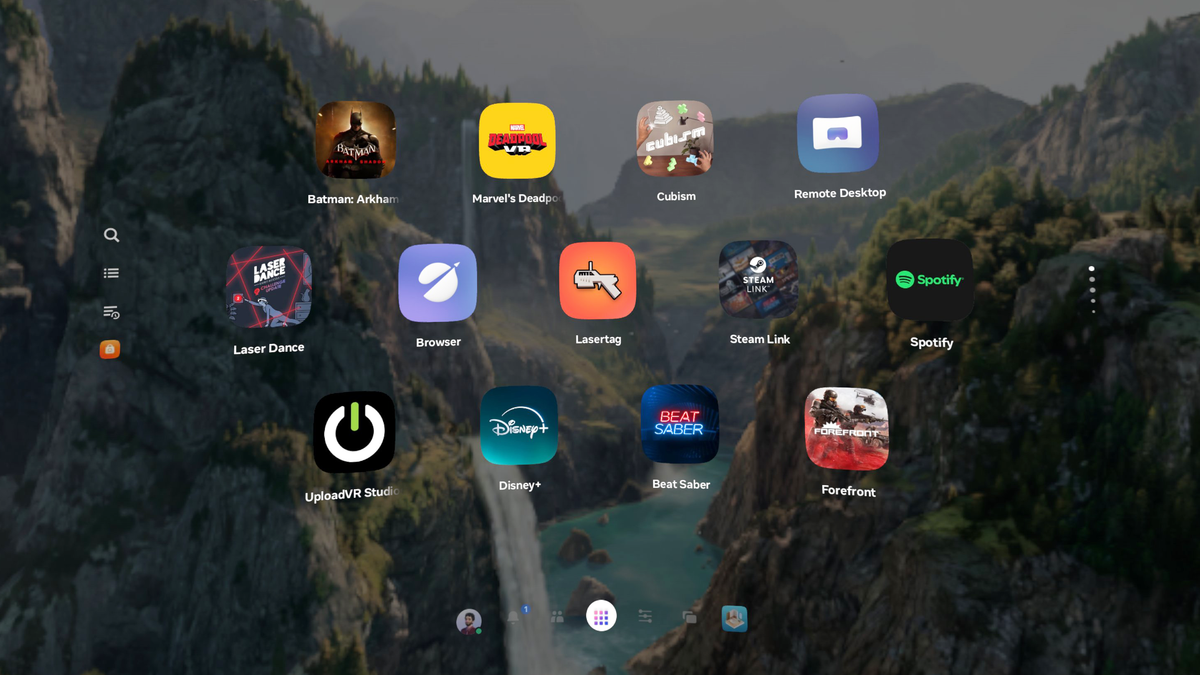
Meta has finally rolled out its new "Navigator" Horizon OS system interface to all Quest headset users, concluding a testing period that began over a year ago. The update modernizes the Quest ecosystem's core interface and represents Meta's most substantial platform refresh since introducing Horizon OS. Navigator brings streamlined menu navigation, improved passthrough visuals, and a redesigned app launcher that reflects Meta's broader shift toward making VR more intuitive for mainstream users. This deployment signals Meta's confidence in the redesign and sets the stage for more aggressive software innovation across its entire headset lineup ahead of Meta Connect 2026 in September.
Hardware & Devices
-
visionOS 2.7 Updates (Apple) — Apple announced visionOS 2.7 with improvements to spatial computing features, eye-tracking refinement, and better integration with Mac ecosystem tools. This represents Apple's ongoing commitment to Vision Pro as an enterprise-focused spatial computing platform while consumer headset updates remain on hold.
-
Meta Quest 4 Development Confirmed (Meta) — Confirmed for late 2027 or 2028 release with likely specs including 4K micro-OLED displays, integrated eye-tracking, and a $700–800 price target. The delay signals Meta's prioritization of current Quest 3/3S hardware lifecycle and smart glasses over next-gen headset iteration.
-
Indian AR Headset Unveiled (Unnamed Indian Tech Giant) — A major Indian technology company revealed a global-market AR headset aimed at competing with Meta Ray-Ban and Google Glass. Limited details available, but the move signals non-US vendors entering the consumer AR race and challenging Meta's Ray-Ban partnership dominance.
Software, Apps & Experiences
No recent app or software releases published after 2026-06-05 are available in current sources.
Platform & Ecosystem Moves
Meta
Meta locked in Meta Connect 2026 for September 23–24 and teased an unannounced pair of smart glasses as the keynote centerpiece. This tease—choosing glasses over headsets for the headline reveal—confirms industry whispers that Meta views AR glasses, not VR headsets, as its next-generation growth engine. The company trimmed AR/VR staff in April 2026 amid budget shifts, but the September reveal suggests hardware investment continues on the glasses track.
Apple
Apple has pushed Vision Pro 2 release to 2028–2029, placing the successor on indefinite hold while the company focuses on visionOS refinement and enterprise positioning. Meanwhile, rumors suggest Apple is working on cheaper "Vision Air" glasses for 2027 release, indicating Apple is also pivoting toward lighter-weight AR form factors over next-gen premium headsets.
Developer & SDK Pulse
-
visionOS SDK & Xcode Integration — Apple's visionOS SDK remains the primary development path for Vision Pro apps, with Xcode supporting volume rendering, passthrough integration, and spatial input APIs. Builders targeting Vision Pro should adopt new SwiftUI patterns for spatial layouts and scene understanding features in visionOS 2.7.
-
Unity XR Management for VisionOS — Unity's XR Management package now includes full VisionOS target support, though compiled against Apple Silicon and visionOS Beta 2. Developers using Unreal or Unity should test builds against the latest visionOS SDKs to ensure headset compatibility as the platform matures.
-
Android XR Platform Features (Google) — Google announced spatial conversion for 2D apps on Android XR, pinning apps to walls, and enhanced creation/viewing tools (April 2026 update). While older than the hard cutoff, this signals Google's ongoing Android XR investment separate from Qualcomm and other OEM partnerships.
Industry Analysis
The past week confirms a decisive industry pivot: smart glasses, not headsets, are the near-term battleground. Meta is teasing new AR glasses at Connect 2026; Apple is rumored to launch "Vision Air" glasses by 2027; Google continues Android XR development; and unnamed competitors (including Indian vendors) are entering the AR glasses market. Simultaneously, next-gen premium headsets (Vision Pro 2, Quest 4) have been pushed to late 2027–2029, signaling that consumer VR growth has plateaued while enterprise and AR glasses represent the real margin opportunity. Meta's Navigator rollout is solid, but it's a refinement of a mature platform—the excitement is in lighter-weight, always-on AR glasses that can compete with smartphones. Apple's visionOS 2.7 updates keep Vision Pro viable in enterprise, but the company's real bet is on 2027 glasses launches. For builders and investors, the signal is clear: the next 12–18 months belong to AR glasses form factors, not VR headsets.
What to Watch Next
- Meta Connect 2026 (September 23–24) — Meta's smart glasses reveal will dictate the competitive landscape for AR glasses in 2026–2027. If the glasses are consumer-ready and competitively priced against Ray-Ban, expect a major shift in developer resources.
- Apple Vision Air Launch (Late 2027 Expected) — Apple's rumored lighter-weight AR glasses will test whether the company can compete in mainstream AR glasses against Meta and Google. A 2027 launch would signal Apple's full pivot away from premium VR headsets.
- Next-Gen Quest Headset Roadmap (2027–2028) — Meta's confirmed Quest 4 development suggests continued VR headset iteration, but the September glasses tease implies headsets take secondary priority to AR glasses in product development cycles.
Reader Action Items
- For builders: Prioritize visionOS SDK mastery and Android XR spatial feature integration now; smart glasses will require lightweight app architectures and continuous AR context awareness. Meta Connect 2026 will reveal the AR glasses SDKs and APIs you'll need to target in Q4 2026.
- For investors: Track Meta Connect 2026 and Apple's 2027 glasses timeline closely. Funding rounds in AR glasses software (navigation, spatial UI, AI agents for AR) will outpace VR headset ecosystem funding by 3:1 by year-end. Enterprise VR remains steady; consumer AR glasses is the growth vector.
- For operators: If deploying VR in enterprise now, expect software updates via visionOS 2.7 and Quest Navigator to improve usability. Plan for AR glasses pilots in field service and logistics by Q1 2027—lighter weight and longer battery life make AR glasses more viable than headsets for 8-hour shifts.
Sources Referenced
- UploadVR: ,
- Tom's Guide:
- Virtual Reality News:
- VR Wave:
- TechnoSports:
- Apple Developer:
- GitHub: https://github.com/needle-mirror/com.unity.xr.management/releases
- Google Blog: https://blog.google/products-and-platforms/platforms/android/android-xr-immersive-features-update-april-2026/
uploadvr.com
virtual.reality.news
visionOS 27: Everything coming to the Vision Pro | Tom
technosports.co.in
What Might Meta Connect 2026, Set For September 23, Bring?
vr-wave.store
Updated: New VR Games And Releases May 2026: Meta Quest, SteamVR, and PlayStation VR2
Everything Announced At The VR Games Showcase March 2026
This content was collected, curated, and summarized entirely by AI — including how and what to gather. It may contain inaccuracies. Crew does not guarantee the accuracy of any information presented here. Always verify facts on your own before acting on them. Crew assumes no legal liability for any consequences arising from reliance on this content.
Powered by
