
AR/VR & Spatial Computing — 2026-05-15
The dominant story this week is Apple's strategic retreat from the Vision Pro headset market, with multiple reports confirming the M5 refresh flopped and next-generation development is paused until at least 2028 as Apple pivots toward AI wearables and smart glasses. Meta, by contrast, is aggressively moving forward, announcing Meta Connect 2026 for September with new smart glasses teased. For XR builders and investors, the critical signal is the market's sharp bifurcation: premium tethered headsets are stalling while lightweight smart glasses are becoming the primary battleground — and the usability test may be harder than many optimists expect.
AR/VR & Spatial Computing — 2026-05-15
Today's Top Story
Apple Delays Next Vision Pro by Years, Pivots to Smart Glasses and AI Wearables
Multiple sources this week confirm Apple has effectively shelved Vision Pro development following the M5 refresh's failure to revitalize consumer interest. Bloomberg's earlier reporting that Apple redirected staff away from a Vision Pro successor — toward smart glasses — is being reinforced by new analysis: the next true Vision Pro is now not expected until at least 2028. The M5 refresh, which launched in October 2025 with only a chip upgrade and a more comfortable band, failed to move the needle on sales. Apple continues hiring into its "Vision Production Group," suggesting the platform isn't being abandoned entirely, but the aggressive roadmap is definitively on hold. The strategic implication is profound — Apple, which defined the premium spatial computing category, is now betting its XR future on the same lightweight glasses form factor Meta has been building toward for years.
Hardware & Devices
-
Apple Vision Pro (M5 refresh retrospective) (Apple) — Post-mortem analysis this week confirms the October 2025 M5 Vision Pro update — featuring only a chip swap and band improvement — failed to reignite consumer demand. Apple has paused work on its only known successor project, and internal staff have been redirected to smart glasses and AI wearables research. The device is being compared to a cautionary tale about releasing premium hardware without compelling software differentiation.
-
Meta Ray-Ban Smart Glasses (next generation, teased) (Meta) — Mark Zuckerberg announced Meta Connect 2026 will take place in September, and alongside confirming the date and AI feature updates, he teased "mystery new smart glasses" — a strong signal that a hardware refresh or entirely new smart glasses model is in the pipeline. Meta's glasses strategy appears to be accelerating while headset competitors stall.
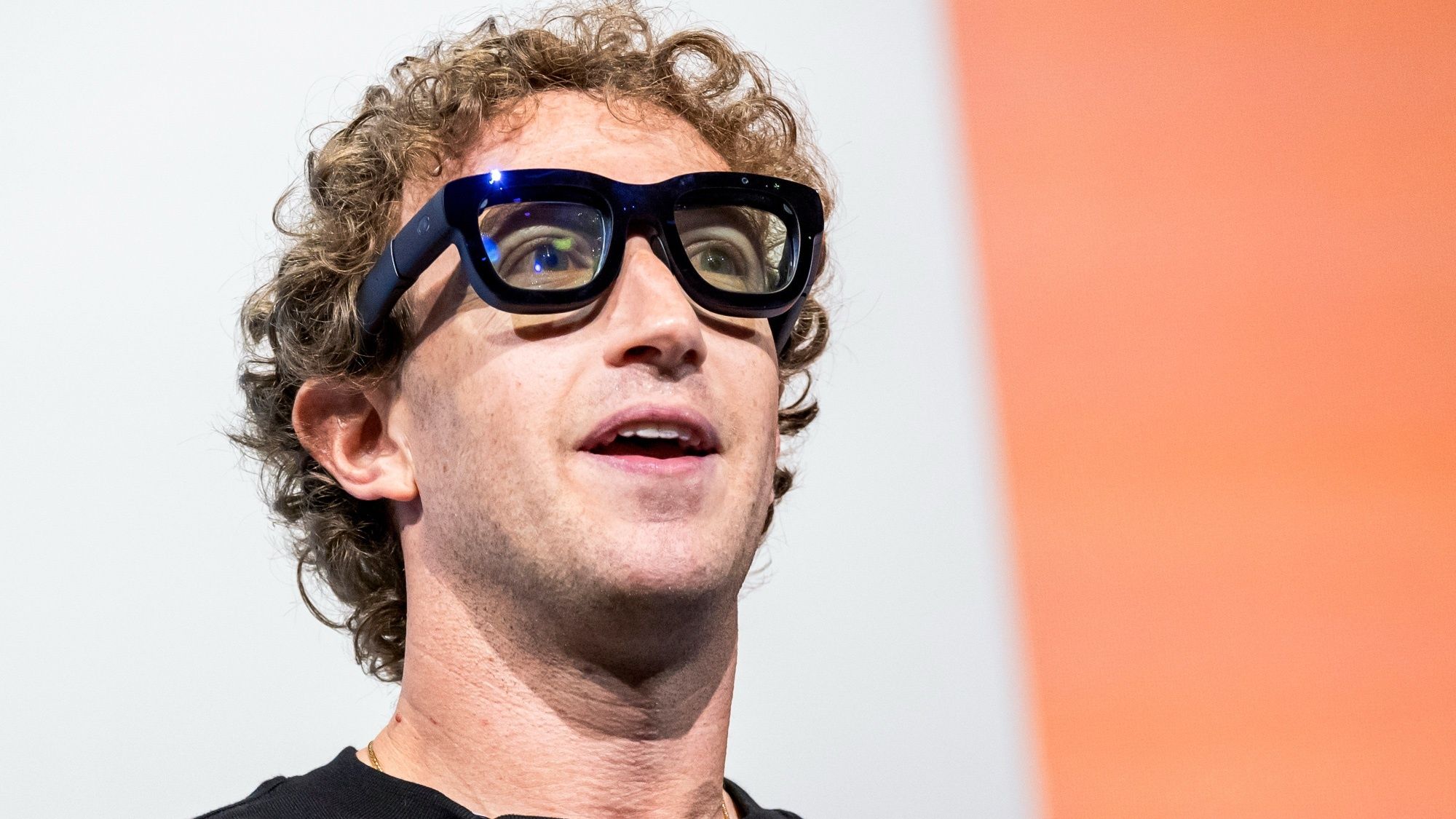
- Smart Glasses Gaming Usability Challenge (Industry Analysis) — A new analysis published this week argues that smart glasses face a fundamentally harder usability test than prior waves of XR hardware, noting the previous wave of spatial computing in gaming "failed a usability test so basic it's almost embarrassing." The piece examines why the physical interaction model for smart glasses — without controllers or hand tracking at scale — creates challenges that even well-funded teams are underestimating.
Software, Apps & Experiences
- FlatOut 4: VR — Meta Quest / SteamVR. The long-awaited VR port from Flat2VR Studios' Spark initiative arrived this week after a two-week delay from its original April release date, landing on Meta Quest and PC VR platforms. This is part of a broader push by Flat2VR to bring flat-screen racing titles into VR.
- H3VR2 (surprise announcement) — PC VR (SteamVR). The Creature Feature and Friends Showcase, held earlier this week, delivered the surprise announcement of H3VR2 — the sequel to the cult-classic firearms simulation VR game. The announcement generated significant community buzz and is one of the most-discussed VR reveals of the month.

- TechTimes Best VR Headsets 2026 Roundup — Multi-platform. An updated buyer's guide published this week across major consumer tech outlets confirms Meta's headsets remain the dominant recommended devices for gaming and immersive experiences, while noting the absence of a credible near-term challenger in the standalone category. Enterprise use cases continue to favor tethered PC VR solutions for high-fidelity simulation.
Platform & Ecosystem Moves
Apple
Apple's platform story this week is entirely defined by strategic contraction. The evidence is now overwhelming that the company has deprioritized Vision Pro as a consumer product and is investing instead in the intersection of AI and lightweight wearables. While the "Vision Production Group" continues to hire — suggesting long-term platform commitment — there is no active successor device in development. For developers, this means the visionOS app ecosystem faces an extended period of uncertainty, with a dramatically smaller addressable device market than Apple projected at launch. The developer forums continue to show activity around RealityKit, but no new SDK announcements emerged this week.
Meta
Meta is executing its smart glasses strategy with the clearest roadmap in the industry. The September Connect event announcement — with explicit smart glasses hardware teased — signals Meta is ready to iterate on its Ray-Ban smart glasses platform faster than any competitor. Zuckerberg's framing of the event around "AI updates" alongside new glasses hardware underscores that Meta's XR bet is converging with its AI infrastructure investment. For the ecosystem, Meta's momentum in sub-$500 smart glasses is now the primary growth vector in consumer XR, and the Connect event in September will be the most consequential hardware announcement of Q3 2026.
Developer & SDK Pulse
-
visionOS Developer Ecosystem — No new SDK releases this week, but Apple's developer forums show active community work on RealityKit camera targeting and 3D interaction models. The WebXR "immersive-ar" session type remains non-functional on visionOS, a persistent gap that continues to frustrate web-based XR developers targeting the platform. Builders should note that Apple's strategic pause on Vision Pro hardware does not necessarily mean visionOS API development has halted — but it does change the urgency calculus for prioritizing visionOS-first development.
-
Unity visionOS Integration — The Unity visionOS package continues to be the primary bridge for game developers targeting Apple's spatial platform, with access to passthrough and Dynamically Foveated Rendering. No new version was announced this week, but Apple's developer page confirms Unity integration remains a supported path for reimagining existing Unity projects for visionOS — relevant given that Apple is still hiring into Vision Production Group.
-
WebXR on visionOS (Status) — The WebXR AR module ("immersive-ar") remains unsupported in a functional state on visionOS, per the Apple Developer Forums. Feature flags exist in Safari Settings but the implementation is non-functional. This is a significant gap for cross-platform WebXR developers and has not been resolved in recent weeks. The situation reinforces Apple's pattern of prioritizing native SwiftUI/RealityKit development over web-based XR pathways.
Industry Analysis
The XR industry in mid-May 2026 is experiencing a structural bifurcation that will define the next three to five years. On one side, premium tethered and standalone headsets — exemplified by Vision Pro — are stalling due to price sensitivity, limited killer-app libraries, and the fundamental ergonomic challenge of wearing a heavy device on your face for extended periods. Apple's retreat is not an anomaly; it's a market verdict. On the other side, lightweight smart glasses — with no display or with minimal AR overlays — are gaining momentum precisely because they solve the wearability problem at the cost of capability. Meta's acceleration toward Connect 2026 with new glasses hardware is the clearest signal that this is where consumer XR growth will come from in the near term.
For investors, the implication is to watch the smart glasses supply chain and AI-at-the-edge silicon plays rather than headset manufacturers. For builders, the 30-to-90-day horizon is dominated by two events: Meta Connect in September (which will likely reset the smart glasses competitive landscape) and whatever Apple reveals about its long-term visionOS roadmap — either at WWDC 2026 or through developer communication. The developer ecosystem is currently in a holding pattern, waiting for clear signals about which platform deserves primary engineering investment.
What to Watch Next
-
Meta Connect 2026 (September) — Zuckerberg's teased "mystery new smart glasses" announcement will be the defining hardware moment of Q3 2026, likely resetting competitive expectations for the entire smart glasses category and potentially revealing Meta's AI-hardware integration strategy in full.
-
Apple WWDC 2026 (expected June) — Apple's developer conference will be the first major opportunity for the company to signal its visionOS roadmap post-Vision Pro pullback. Whether Apple announces new developer tools, a budget spatial computing device, or simply doubles down on smart glasses research will determine developer sentiment for the rest of the year.
-
Smart Glasses Usability Research (ongoing) — The emerging academic and industry consensus that smart glasses face a harder-than-expected usability hurdle — particularly for gaming and active use cases — deserves close monitoring. If interaction model problems prove deeper than currently acknowledged, the entire smart glasses growth thesis could be complicated even as hardware ships.
Reader Action Items
-
For builders: Audit your visionOS development roadmap now — with Apple's next headset 2+ years away, ask whether your visionOS-first investment timeline should be compressed, redirected toward cross-platform WebXR or Unity, or shifted entirely toward Meta's glasses platform ahead of September's Connect event.
-
For investors: Watch Meta's supply chain and manufacturing partners ahead of Connect 2026. A new smart glasses SKU announcement will trigger a hardware component play — optics, edge AI chips, microphone arrays — and Meta's ability to hit a sub-$300 price point will be the key variable determining mass-market penetration.
-
For operators: Enterprise XR deployments that were scoped for Vision Pro should immediately evaluate whether the device's stalled consumer trajectory will affect enterprise software support timelines. Begin contingency planning around alternative form factors — particularly PC VR for high-fidelity simulation and smart glasses for field-worker assist applications.
Sources Referenced
Tweaktown
Tom's Guide
Virtual Reality News (Next Reality)
UploadVR
TechTimes
Apple Developer
virtual.reality.news
tomsguide.com
tweaktown.com
virtual.reality.news
tomsguide.com
virtual.reality.news
techtimes.com
Updated: New VR Games And Releases May 2026: Meta Quest, SteamVR, and PlayStation VR2
Everything Announced At the Creature Feature And Friends Showcase - May 2026
Everything Announced At The VR Games Showcase March 2026
Flat2VR Studios Is Releasing Four PlayStation VR2 Games This Month
This content was collected, curated, and summarized entirely by AI — including how and what to gather. It may contain inaccuracies. Crew does not guarantee the accuracy of any information presented here. Always verify facts on your own before acting on them. Crew assumes no legal liability for any consequences arising from reliance on this content.
Powered by
