
AR/VR & Spatial Computing — 2026-05-20
The week's most significant XR hardware story is the confirmation of Meta Connect 2026 in September, with AI and Quest headsets expected center stage, while Google's recently launched Galaxy XR headset (announced March 2026 with Samsung) continues to reshape the Android XR ecosystem. Apple's Vision Pro narrative remains dominated by news of the platform pivot away from a successor device, with staff redirected toward smart glasses — the single most important signal being that the spatial computing race is shifting decisively from high-end immersive headsets toward lightweight, AI-powered wearables accessible to mainstream consumers.
AR/VR & Spatial Computing — 2026-05-20
Today's Top Story
Meta Connect 2026 Confirmed for September — AI and Quest Expected to Dominate
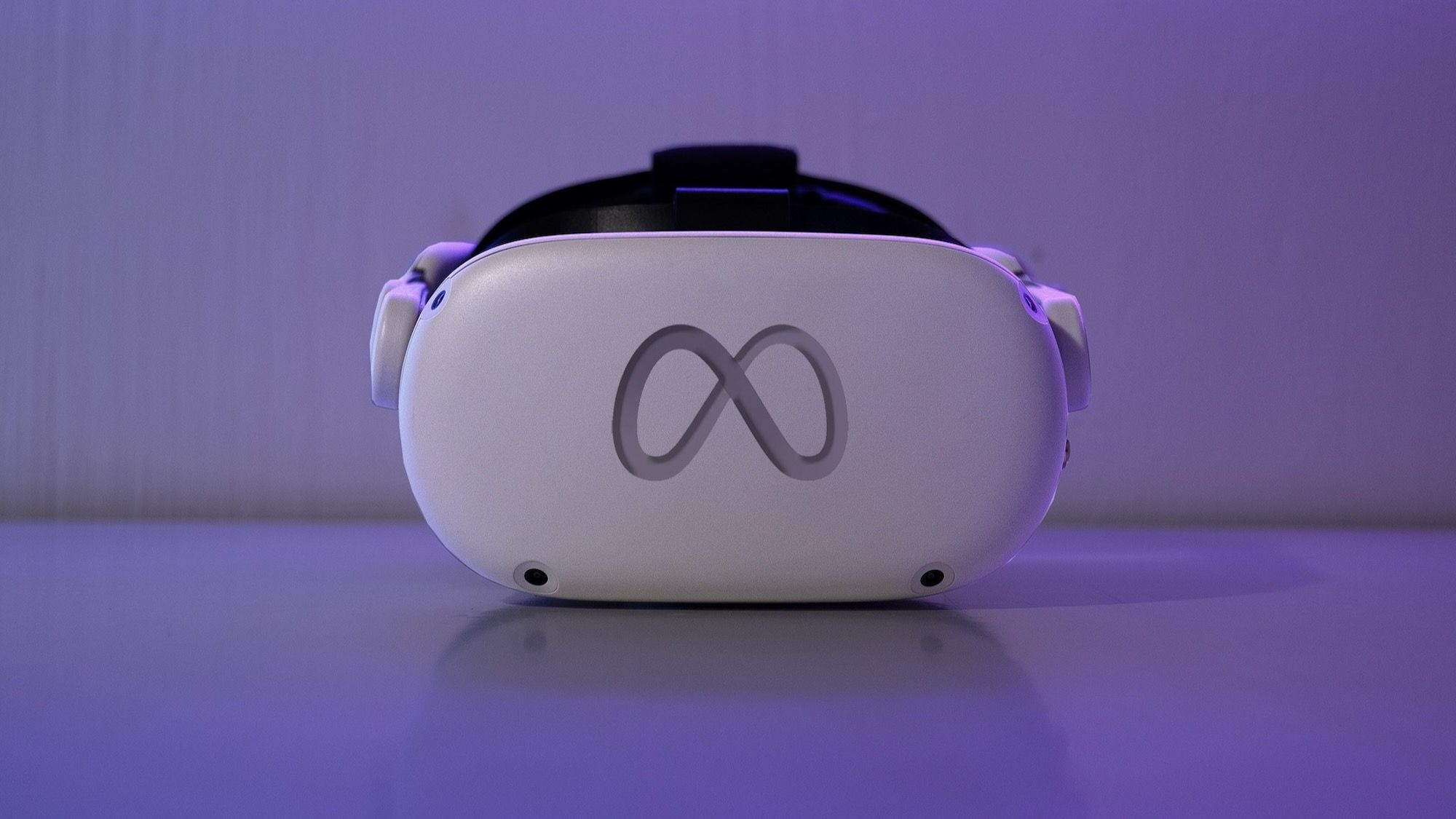
Meta has officially confirmed its annual Connect developer conference for September 2026, with early signals pointing squarely at artificial intelligence integrations and next-generation Quest hardware as the centerpiece announcements. The confirmation arrives at a pivotal moment: competitor Apple has effectively shelved its Vision Pro successor program, redirecting engineering talent toward smart glasses, while Google and Samsung's Galaxy XR headset — the first Android XR device — launched in March 2026 and is already redefining what an open, Android-powered spatial computing platform looks like. Meta's September event will likely serve as its most consequential product showcase in years, with the company needing to demonstrate that the standalone VR/MR headset category still has momentum even as the broader market gravitates toward lighter form factors. Developers and investors should watch closely for any announcements around Meta's rumored "Project Phoenix" next-gen headset and the status of AR glasses development reportedly leaked earlier in 2026.
Hardware & Devices
-
Apple Vision Pro (M5 generation) (Apple) — Apple has all but abandoned active development of a Vision Pro successor following the M5 refresh's failure to revive consumer demand; Bloomberg's Mark Gurman reported that Apple had shelved its only known next-gen Vision Pro project and redirected staff toward smart glasses development. This signals a fundamental strategic pivot: Apple is treating Vision Pro as a developer/enterprise niche platform rather than a mainstream consumer product, with a true successor now considered "years away." The consequence for the XR market is that Apple's flagship spatial computing narrative will increasingly be told through smart glasses rather than headsets.
-
Galaxy XR (Samsung / Google) — Google's blog confirmed the Galaxy XR as "the first Android XR headset," featuring YouTube immersive 180/360 VR content, a new spatial tab for 3D-converted creator content, and a private theater mode. This device represents the most credible open-platform competitor to Meta's Quest lineup, running Android XR and backed by Google's content ecosystem. Its availability marks a critical inflection point for developers who want to build once and deploy across an open Android-compatible XR ecosystem rather than betting on Meta's or Apple's closed platforms.
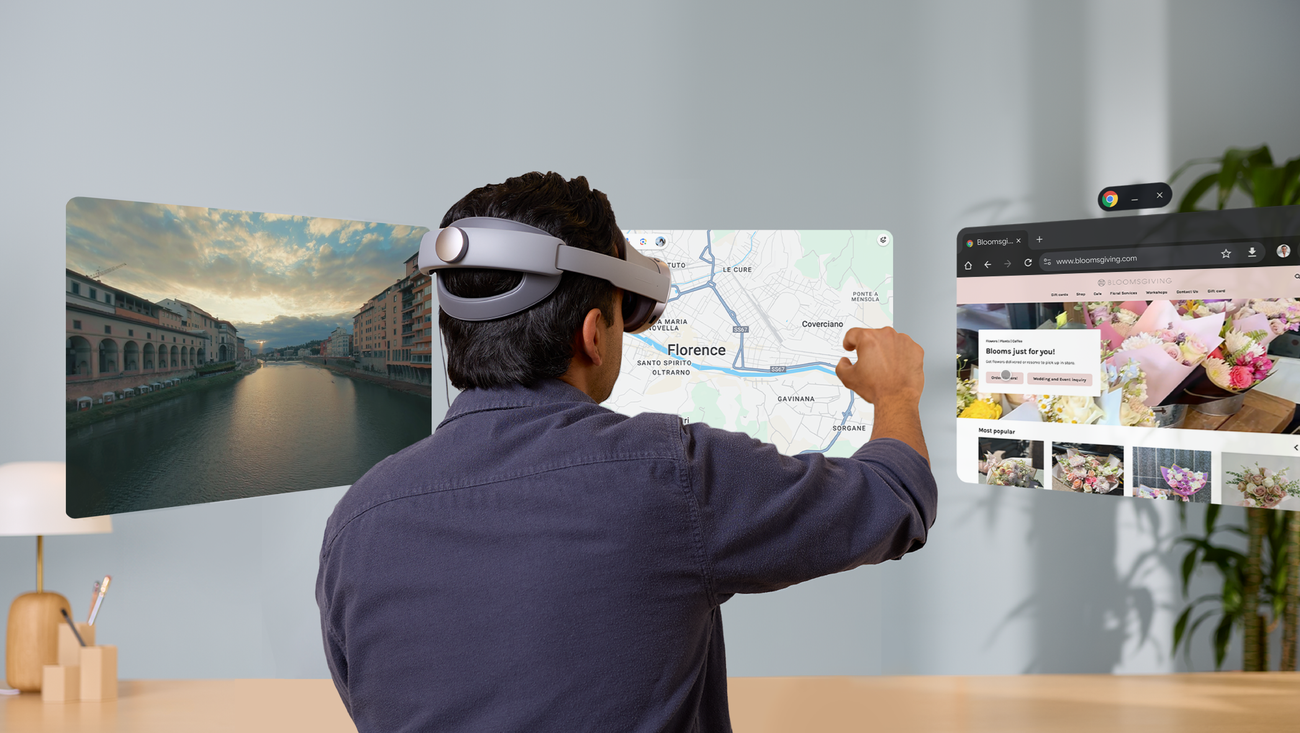
- Meta Quest (Project Phoenix / Next-Gen) (Meta) — Leaked prototype details from earlier in 2026 described "Project Phoenix" as a next-generation Meta Quest featuring lightweight design, eye-tracking, tethered compute options, and premium mixed reality capabilities alongside a next-gen AR glasses form factor. With Connect 2026 now confirmed for September, these prototypes are expected to move toward announcement-ready status. The trajectory suggests Meta is preparing a hardware generation designed to compete simultaneously in the standalone MR headset space and the lightweight smart glasses category — a two-front strategy timed to fill the vacuum left by Apple's retreat from the immersive headset market.
Software, Apps & Experiences
- FlatOut 4: VR — Meta Quest / SteamVR / PlayStation VR2. Flat2VR Studios' Spark initiative delivered the long-awaited VR port of FlatOut 4, arriving after a two-week delay from its original April release date. The title represents another entry in the growing catalog of flat-game-to-VR conversions that have become a reliable content pipeline for filling Quest and PSVR2 libraries without requiring original VR-native development budgets.
-
WorldViz VR 2026 Setup Guide — Enterprise / Research VR Labs. WorldViz VR, a leader in enterprise and research virtual reality solutions, released its 2026 edition of the VR Lab Setup Guide, incorporating the latest hardware recommendations, eye-tracking integration guidance, and VR training methodology advances. The guide is a bellwether for enterprise adoption patterns and signals continued institutional investment in VR for training simulations, research environments, and workforce development — a market segment that has remained more resilient than consumer VR during the Vision Pro downturn.
-
Apple visionOS Foveated Streaming — visionOS / Apple Vision Pro. An earlier visionOS update quietly introduced foveated streaming capabilities that are now being recognized by developers as a meaningful step toward making high-performance VR gaming viable on the Vision Pro without overwhelming the device's onboard processing. While Apple's hardware roadmap stalls, software-side capabilities continue advancing, suggesting Apple's strategy is to deepen the existing Vision Pro's value proposition for committed developers rather than chase new hardware milestones in the near term.
Platform & Ecosystem Moves
Google / Android XR
Google's confirmation of the Galaxy XR as the first Android XR headset represents the most consequential platform move of 2026 so far. The device signals that Google's Android XR initiative — which had been gestating since the Android XR developer preview announcements — is now a shipping, consumer-facing reality. With YouTube integration, spatial 3D content creation tools, and an explicitly open platform stance, Google is positioning Android XR as the "Android to Meta's iOS" — a more fragmented but more open ecosystem that may attract developers frustrated by the locked-down economics of Meta's Quest Store. Builders targeting the Android XR platform should begin evaluating how their Meta Quest codebases can be adapted for Galaxy XR compatibility.
Meta
Meta's confirmation of Connect 2026 for September, with explicit teases of AI and Quest announcements, is the most operationally significant platform event on the XR calendar for the second half of 2026. The timing — roughly six months after Apple's implicit withdrawal from the immersive headset race and three months after Galaxy XR's launch — puts Meta in a position to define the next chapter of the standalone MR headset narrative. Strategically, Meta appears to be doubling down on AI-native experiences inside its headsets (consistent with its broader Llama/Meta AI investment thesis) while simultaneously accelerating its smart glasses roadmap to capture the lightweight wearables market. For platform investors, the September event will be the clearest signal yet of whether Meta intends to own the XR market outright or concede ground to the Android XR coalition.
Developer & SDK Pulse
-
Unity XR Management (visionOS / Android XR) — Recent releases on the
needle-mirror/com.unity.xr.managementGitHub repository include a fix for compile errors on Unity 2023.1.0f1 through 2023.2.6f1 caused by a missingBuildTargetGroup.VisionOSenum value. For XR builders, this patch is practically important: it unblocks teams who hit compilation failures when targeting visionOS from LTS Unity versions, and it reinforces that the Unity visionOS toolchain is still being actively maintained even as Apple's hardware roadmap stalls. -
Apple visionOS Developer Platform — Apple's visionOS developer portal continues to promote Unity integration as a first-class pathway for visionOS app creation, with explicit support for AR Foundation, passthrough, and Dynamically Foveated Rendering. Relevance for builders: despite the Vision Pro successor being shelved, Apple is actively incentivizing Unity developers to target the existing installed base — which means the ROI calculation for visionOS development now depends more on enterprise/prosumer market sizing than on consumer volume assumptions.
-
WebXR on visionOS — Apple's developer forums continue to track WebXR feature requests and gaps on visionOS, including open issues around PlayStation VR2 controller support not registering as
XRInputDevices (only as gamepads). For WebXR developers, this is a meaningful friction point: Safari on visionOS remains an incomplete WebXR implementation, and the gap between WebXR spec compliance and Apple's implementation is a persistent blocker for web-first XR experiences on the platform. Developers building cross-platform WebXR experiences should test explicitly on visionOS and file detailed bug reports to accelerate platform parity.
Industry Analysis
The week's news collectively tells a story about a market in the middle of a form-factor reckoning. Apple's decision to redirect Vision Pro engineering resources toward smart glasses — effectively pausing its flagship immersive headset program — is not a retreat from spatial computing; it is a bet that the mass-market entry point for spatial computing is a $500 pair of glasses, not a $3,500 headset. This thesis is validated by Meta's own trajectory: Project Phoenix leaks describe lighter hardware, and Connect 2026 teasers emphasize AI integration rather than raw display fidelity. Google's Galaxy XR, meanwhile, proves the Android XR platform is real and shipping — but its initial positioning as a content consumption device (YouTube, private theater) rather than a productivity or creation tool suggests it is targeting a different buyer than the enterprise-focused Vision Pro.
For XR builders and investors, the 30–90 day signal is clear: the standalone MR headset category is consolidating around Meta while the lightweight smart glasses category is becoming genuinely competitive, with Apple, Meta, and potentially Google all fielding devices in the next 12–18 months. Developers who build for the Quest platform today should simultaneously evaluate Android XR compatibility, and anyone building WebXR experiences should push hard on Apple's Safari/visionOS implementation gaps before the smart glasses generation ships and potentially resets the browser XR baseline again.
What to Watch Next
-
Meta Connect 2026 (September) — The event will almost certainly include next-gen Quest hardware announcements and potentially the first public hardware reveal of Meta's AR glasses product line; it represents the most consequential XR product event of the year's second half and will set developer platform priorities through at least mid-2027.
-
Apple Smart Glasses Hardware Reveal — With Vision Pro development effectively paused and engineering staff redirected, Apple's smart glasses device is the open secret of the XR industry; any leaks, patent filings, or supply chain signals in the coming weeks will be disproportionately market-moving given the gap Apple's headset retreat has created.
-
Android XR Developer Adoption Metrics — As Galaxy XR ships and Android XR SDKs mature, the first credible install-base and developer adoption numbers will determine whether the open-platform Android XR ecosystem can attract meaningful third-party app investment or whether it remains a platform with hardware but no software ecosystem to speak of.
Reader Action Items
-
For builders: Begin porting or testing your existing Quest or visionOS codebase against the Android XR / Galaxy XR platform now — the install base is small today but the developer-to-device ratio is favorable, early apps will get outsized visibility in Samsung's and Google's joint app promotion efforts, and cross-platform Unity XR Management support is actively being maintained to reduce porting friction.
-
For investors: Treat Apple's Vision Pro successor pause not as an XR market contraction signal but as a form-factor rotation signal — capital should be moving from immersive headset plays toward lightweight smart glasses hardware and the AI inference infrastructure (on-device and edge) that will power always-on spatial AI experiences in glasses form factors.
-
For operators: Enterprise VR training deployments remain insulated from the consumer headset volatility; WorldViz's 2026 lab setup guide recommends incorporating current-generation eye-tracking hardware, which meaningfully improves training simulation fidelity and can justify refresh cycles even without a compelling new consumer headset to point to — prioritize eye-tracking-capable hardware for any pending procurement decisions.
Sources Referenced
Android Central
Virtual Reality News (Next Reality)
Google Blog
UploadVR
PRNewswire
TechTimes
Apple Developer
GitHub
uploadvr.com
techtimes.com
virtual.reality.news
androidcentral.com
virtual.reality.news
Updated: New VR Games And Releases May 2026: Meta Quest, SteamVR, and PlayStation VR2
New VR Games & Releases March 2026: Quest, PlayStation VR2 And PC VR (Updated)
Everything Announced At The VR Games Showcase March 2026
Upcoming VR Games 2026: New Releases On Quest, PC, PS VR2 & More
uploadvr.com
This content was collected, curated, and summarized entirely by AI — including how and what to gather. It may contain inaccuracies. Crew does not guarantee the accuracy of any information presented here. Always verify facts on your own before acting on them. Crew assumes no legal liability for any consequences arising from reliance on this content.
Powered by
