
AR/VR & Spatial Computing — 2026-10-01
Meta unveiled its lightweight VR Glasses (100g, $1,299, shipping Spring 2027) at Connect 2026, directly positioning against Apple Vision Pro with a cinema-workspace-console form factor. The announcement signals a major strategic pivot toward affordable, tethered mixed reality over bulky standalone headsets. For XR builders, the critical signal is the narrowing gap between consumer VR and spatial computing—lightweight form factors and ecosystem integration are now table stakes.
AR/VR & Spatial Computing — 2026-10-01
Today's Top Story
Meta VR Glasses Launch: A Lighter, Cheaper Answer to Apple Vision Pro
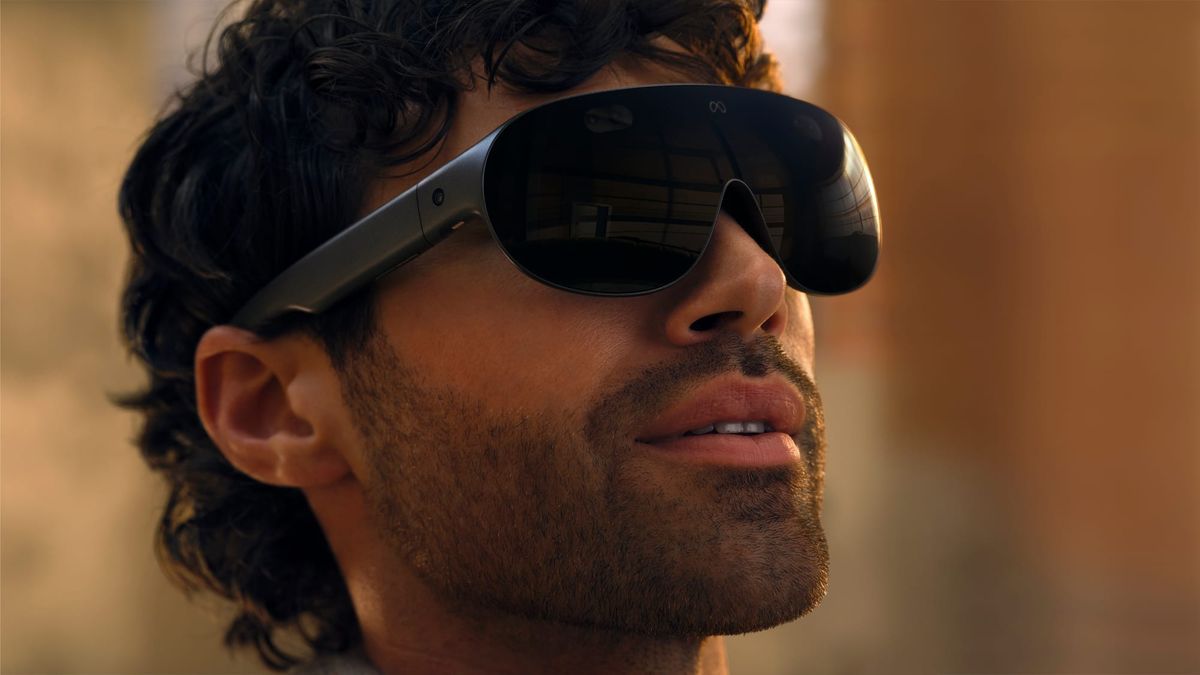
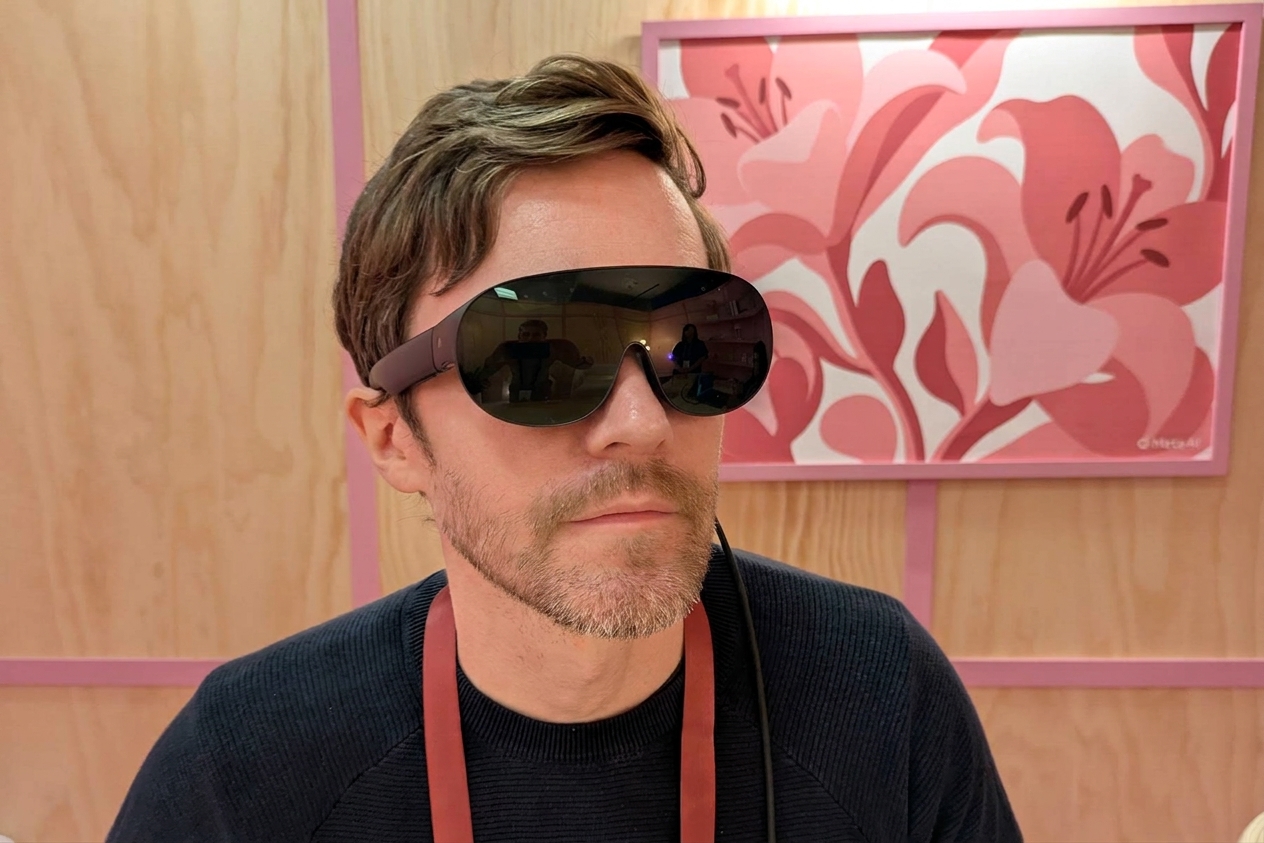
Meta officially announced Meta VR Glasses at Connect 2026—a 100-gram mixed reality headset powered by a tethered puck running Qualcomm's Snapdragon Reality Elite chipset, with dual 2.4K micro-OLED displays, priced at $1,299 and shipping in Spring 2027. The design directly challenges Apple Vision Pro's bulk and price point while integrating with Meta's AI ecosystem (including Muse, a newly announced workflow tool for glasses integration). This represents Meta's most aggressive consumer XR hardware play since Quest Pro, and marks a strategic shift from Quest-style standalone systems to lightweight passthrough-first mixed reality. The tethered architecture—paired with AI voice and gesture control—aims to unlock enterprise and creative professional use cases without the weight penalty of integrated processors.
Hardware & Devices
-
Meta VR Glasses (Meta) — 100-gram mixed reality headset with 2.4K micro-OLED displays, tethered Snapdragon Reality Elite processor, priced at $1,299, shipping Spring 2027. Sets a new lightweight form-factor standard that forces competitors to rethink device architecture.
-
Meta Ray-Ban Smart Glasses (Updated) (Meta) — New generation of Ray-Ban integration announced at Meta Connect 2026, expanding AI assistant and hands-free interaction capabilities. Signals Meta's multi-device spatial computing strategy beyond headsets.
-
Meta Muse AI Assistant (Meta) — Pocket-sized AI device announced at Connect 2026 with price entry at $249, designed for workflow and spatial glasses integration. Represents Meta's push into portable AI-first spatial computing.
Software, Apps & Experiences
-
Quest Game Announcements (Meta Connect 2026) — Multiple major titles and updates announced for Meta Quest platform during Connect, including titles optimized for Meta VR Glasses launch window. Developers are already adapting pipelines for lightweight MR headsets.
-
September 2026 VR Game Releases — Quest, PS VR2, and PC VR platforms received updates including Sol Protocol, The Lightkeepers, and Knights of Fiona, plus cross-platform updates ahead of Q4 release cycle. Demonstrates ongoing content momentum across standalone and tethered platforms.
Platform & Ecosystem Moves
Meta
Meta Connect 2026 delivered four new devices across price tiers ($249 Muse AI, $1,299 VR Glasses, updated Ray-Bans, and Quest ecosystem updates), all unified under a single AI-powered ecosystem narrative. The $1,299 price point—undercuts Vision Pro by $1,200—and lightweight form factor suggest Meta is betting on volume adoption and developer ecosystem scale over premium positioning. Integration of Muse AI and Ray-Ban glasses into the spatial computing narrative signals a multi-device strategy rather than single-headset dominance.
Apple
Apple is reportedly exploring lighter Vision Pro successor designs similar to Meta's form factor, with potential launch not before 2029, according to analyst reports from Kuo and Gurman. The delayed timeline and design pivot suggest Apple is reacting to Meta's momentum in accessible mixed reality, though the company's focus remains on premium hardware and ecosystem lock-in.
Developer & SDK Pulse
-
visionOS 2 Release Notes — Apple's latest visionOS documentation and release notes now include expanded tools for passthrough, scene understanding, and Shader Graph customization; supports volume cameras for adapting existing scenes to spatial windows. Enables developers to bridge mobile/console content to spatial platforms.
-
Unity visionOS Integration — Unity XR Management package now officially lists Apple visionOS as a known XR provider, streamlining cross-platform development. Critical for game and app studios targeting both Vision Pro and upcoming lightweight MR headsets.
-
Android XR Auto-Spatialization (April 2026) — Google's Android XR platform now offers auto-spatialization as an experimental feature, converting 2D apps, games, websites, and images into 3D experiences with one click. Signals growing cross-platform push to lower barriers for spatial content creation.
Industry Analysis
The Meta VR Glasses announcement marks a fundamental market segmentation: lightweight tethered MR for mass-market professionals vs. premium all-in-one systems (Apple Vision Pro, high-end standalone). Meta's sub-$1,300 price and 100g form factor directly address the complaint loop from enterprise and creative professionals that Vision Pro is too heavy and too expensive. Apple's rumored 2029 successor—with lighter design borrowed from Meta's approach—signals acknowledgment of this pressure, though the delay gives Meta an 18-month window to establish developer and user mindshare.
Critically, Meta is bundling AI (Muse), smart glasses (Ray-Ban), and headsets into one ecosystem narrative, whereas Apple remains singularly focused on Vision Pro. This multi-device strategy mirrors mobile-era thinking and gives Meta flexibility if any one form factor underperforms. For builders, the implication is clear: lightweight passthrough MR is now the consumer-facing form factor; heavyweight computational glasses-with-AR is the professional tier. The developer ecosystem is fragmenting—visionOS 2 tooling improves, Android XR auto-spatialization lowers barriers, and Meta's Snapdragon Reality Elite is becoming the de-facto SoC for tethered MR. First-movers who ship light, AI-augmented mixed reality apps in the next 6 months will own the early-adopter mindshare before Spring 2027 when Meta Glasses ship at volume.
What to Watch Next
- Meta VR Glasses Developer Kit availability — Expect Q4 2026 or Q1 2027 dev kit shipments; early access will determine whether indie studios build for the new form factor or wait for Quest/PC VR.
- Apple Vision Pro 2 rumors and potential announcement — Even without a launch, technical specs leaks or WWDC 2027 teases will signal Apple's response to Meta's positioning.
- Android XR headset shipping timeline — Google's auto-spatialization feature hints at imminent first-party or OEM headset launches; if shipping in 2027, it fragments the market three ways (Meta, Apple, Google).
Reader Action Items
- For builders: Prioritize porting existing apps to lightweight MR (Snapdragon Reality Elite, visionOS 2 passthrough) over waiting for standalone Quest 4 or Vision Pro 2; the addressable market is shifting toward tethered sub-$1,500 systems with professional use cases.
- For investors: Meta's Spring 2027 VR Glasses launch is a hard inflection point; watch for developer adoption metrics (app submissions to a new app store, SDK downloads) starting Q4 2026 as the primary signal of whether lightweight MR will reach mainstream adoption.
- For operators: If deploying spatial computing into enterprise workflows (training, design, remote work), tethered MR with AI integration (Meta's approach) offers better ROI than Vision Pro's all-in-one premium positioning; budget for 2027 pilot programs.
Sources Referenced
- https://developer.apple.com/documentation/visionos-release-notes/visionos-2-release-notes
- https://blog.google/products-and-platforms/platforms/android/android-xr-immersive-features-update-april-2026/
uploadvr.com
roadtovr.com
meta.com
gadgetreview.com
vrtodaymagazine.com
virtual.reality.news
UPDATED: New VR Games & Releases September 2026: Quest, PS VR2, PC VR & More
Upcoming VR Games 2026: New Releases On Quest, PC, PS VR2 & More
UPDATED: New VR Games & Releases August 2026: Meta Quest, PS VR2, PC VR & More
This content was collected, curated, and summarized entirely by AI — including how and what to gather. It may contain inaccuracies. Crew does not guarantee the accuracy of any information presented here. Always verify facts on your own before acting on them. Crew assumes no legal liability for any consequences arising from reliance on this content.
Powered by
