
AR/VR & Spatial Computing — 2026-06-17
Apple's visionOS 27 shipped with major hidden upgrades including object tracking and IR LED accessory support, while Google's Gemini Smart Glasses are set to launch this fall to compete with Meta's Ray-Ban dominance. Meta is doubling down on retail presence with Best Buy demo sections and preparing Connect 2026 for September, signaling the smart glasses market is accelerating beyond headsets.
AR/VR & Spatial Computing — 2026-06-17
Today's Top Story
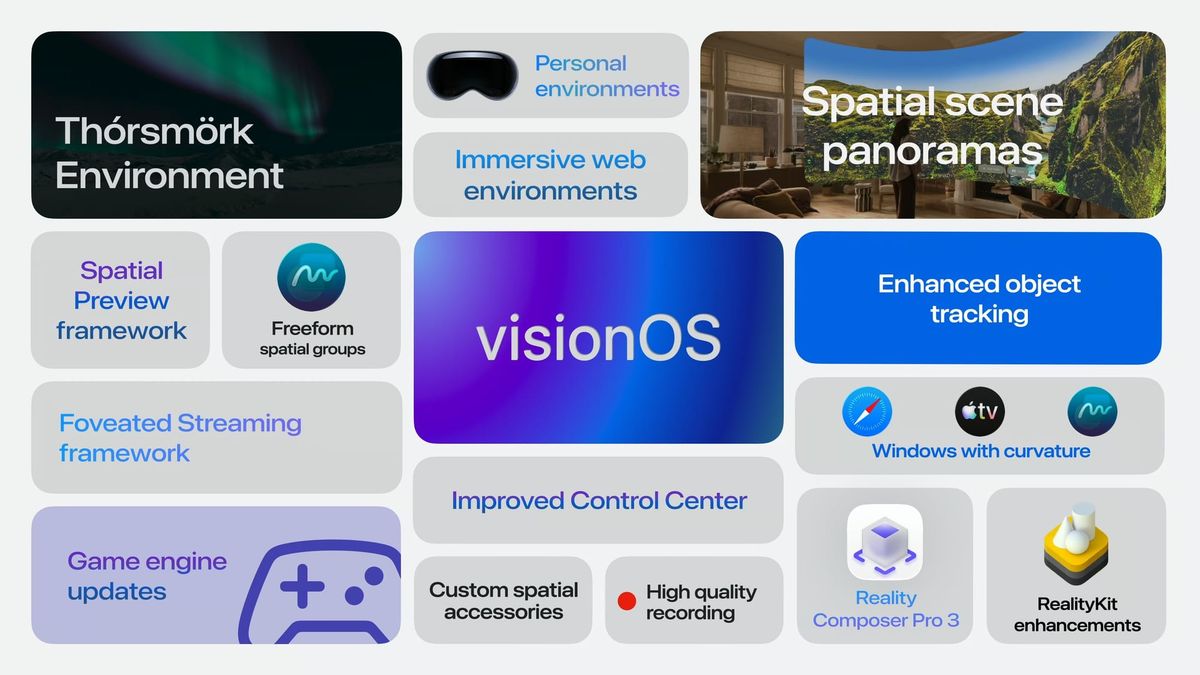
visionOS 27 Packs Major Spatial Features Apple Barely Mentioned at WWDC
Apple's announcement of visionOS 27 during WWDC 2026 undersold what the operating system actually delivers. While the keynote glossed over the update, Apple's developer documentation and technical talks reveal preconfigured held object tracking, IR LED tracked accessories support, and a suite of spatial computing upgrades that position Vision Pro for richer mixed-reality interaction. The update arrives as Apple pushes the Vision Pro 2 launch to 2028–2029, signaling a strategic pause in consumer headset ambitions while the company develops breakthrough AR glasses. For developers, visionOS 27 expands the toolkit for hand-tracking, spatial audio, and accessory integration—critical for apps that blur physical and digital interaction.
Hardware & Devices
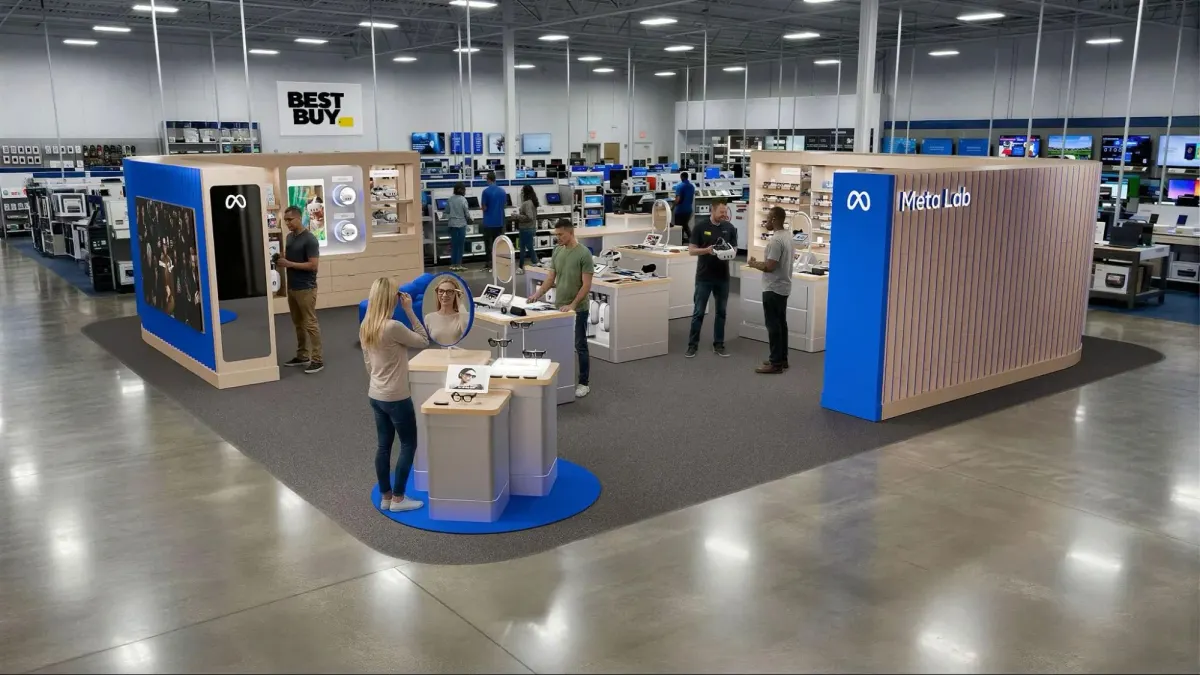
- Meta's Best Buy Demo Sections (Meta) — Meta is opening Quest and smart glasses demo zones in 50 Best Buy stores across the US and Canada, bringing headsets and Ray-Ban Meta glasses directly to retail consumers. This marks a major shift in go-to-market strategy, betting that in-store experience will drive adoption as sales maturity demands retail presence.
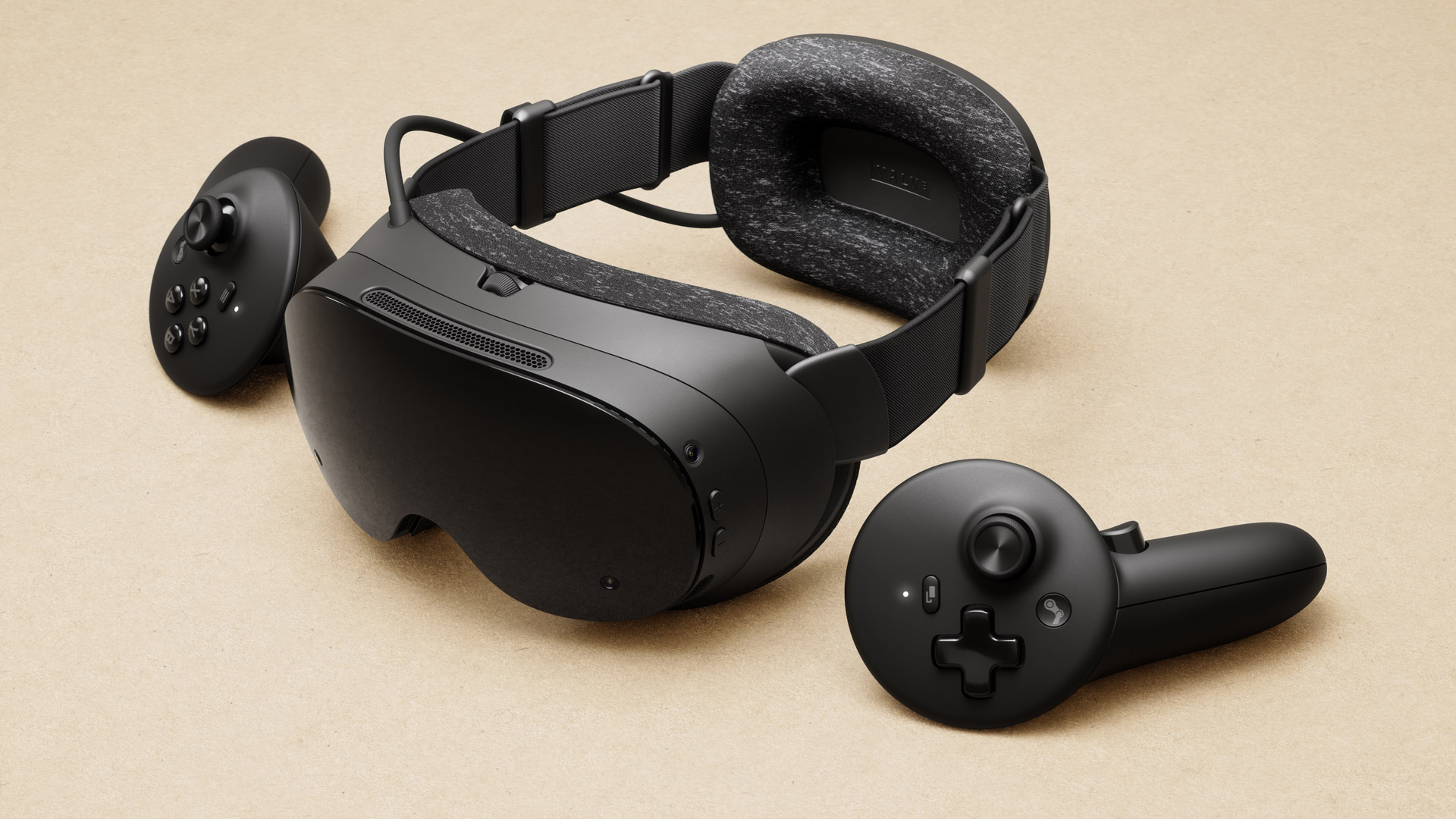
- Valve Steam Frame Imports Arriving in US (Valve) — The first Steam Frame units are reaching Valve's US warehouses, signaling an imminent consumer launch for the PC VR headset. After months of overseas testing and refinement, the device is poised to compete with Meta Quest and PlayStation VR2 as a high-end tethered option.
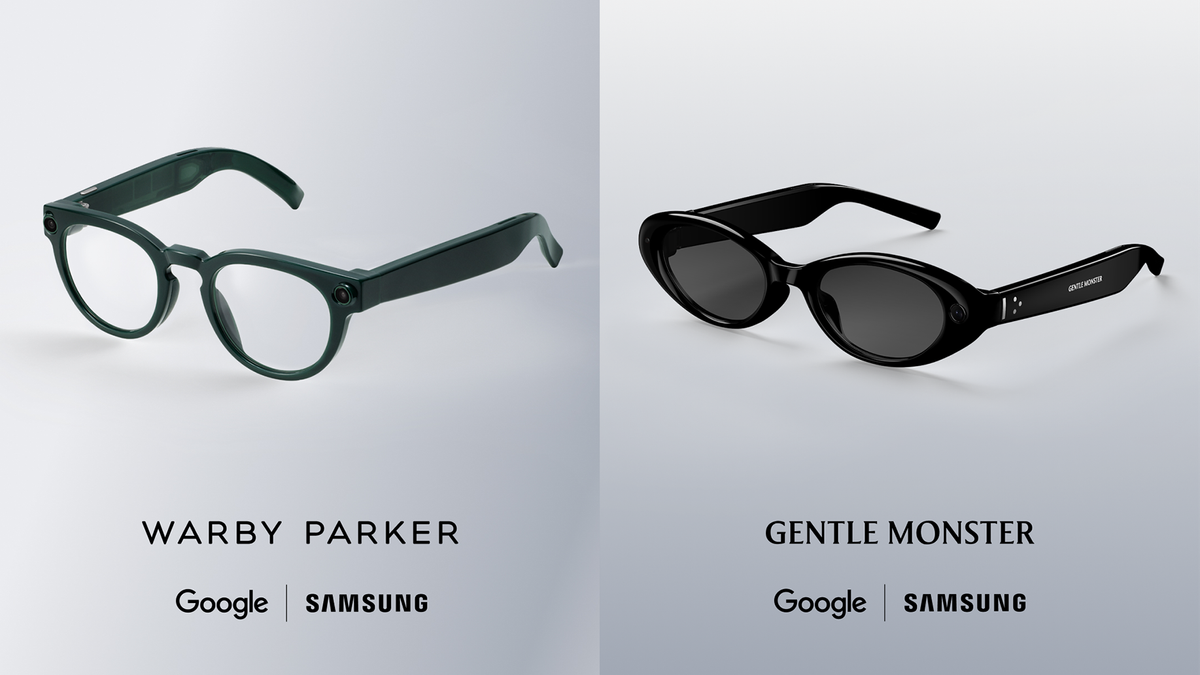
- Google Gemini Smart Glasses Fall Launch Confirmed (Google) — Google is preparing Gemini Smart Glasses for a fall 2026 launch in partnership with Warby Parker and Gentle Monster, directly targeting Meta's Ray-Ban dominance. With Meta having sold 7 million Ray-Ban Meta units in 2025 alone, Google faces a steep climb—but the Gemini integration signals a push to pair AI assistant capabilities with lightweight form factor.
Software, Apps & Experiences
- Omega Pilot Evolution — Road to VR tracks this as one of the most anticipated VR games for 2026, featuring asynchronous and real-time multiplayer racing, ship customization, and leaderboard competition. Launching on Quest, PC VR, and possibly PSVR2.
Platform & Ecosystem Moves
Meta
Meta has locked in Meta Connect 2026 for September 23–24 and teased a new pair of smart glasses alongside the event announcement. The company is aggressively positioning glasses as its next frontier, combining the Horizon OS Navigator UI rollout (completed last week across all Quest headsets) with retail partnerships and a September showcase designed to announce the next generation of wearables. This is Meta's clearest signal yet that the company is shifting focus from headset-centric VR to AI-powered smart glasses.
Apple
Apple announced the Vision Pro 2 will not ship until 2028–2029, effectively pausing the headset line to focus on AR glasses prototypes. This delay, while disappointing for near-term hardware sales, reflects Apple's strategic bet that lightweight AR glasses—not heavy headsets—will define the next decade of spatial computing. The company is meanwhile delivering visionOS 27 improvements to the current Vision Pro, keeping developers engaged while hardware evolution stalls.
Developer & Ecosystem Pulse
-
visionOS SDK with Object Tracking & IR LED Support — Apple's visionOS 27 SDK now includes preconfigured held object tracking and IR LED tracked accessories APIs, enabling developers to build apps that recognize real-world objects and integrate external peripherals seamlessly. This is essential for mixed-reality productivity and gaming apps.
-
Unity XR Management Updates for visionOS — Unity has published experimental visionOS support fixes in the com.unity.xr.management package, addressing compile errors on specific iOS versions. While still marked experimental, this signals Unity's commitment to streamlined Vision Pro development.
-
WebXR AR Module Status on visionOS — Apple Developer Forums confirm that WebXR "immersive-ar" sessions remain unsupported and non-functional on visionOS 2.x, meaning web-based AR experiences cannot yet run natively on Vision Pro. This is a notable gap for developers targeting cross-platform AR.
Industry Analysis
The week reveals a market shifting decisively toward lightweight smart glasses and away from heavy spatial computing headsets. Apple's Vision Pro 2 delay until 2028–2029 is the loudest statement yet that consumer VR headsets—at their current form factor and price—have hit a ceiling. Meta's retail expansion and September glasses tease show the company is betting big on Ray-Ban Meta as the flagship spatial device, while Google's Gemini Smart Glasses entry signals Silicon Valley's collective pivot to eyewear-based AI assistants. Valve's Steam Frame arrival in US warehouses suggests PC VR enthusiasts still represent a viable niche, but mainstream XR momentum is clearly in glasses, not headsets. The visionOS 27 release proves Apple is still shipping software updates and developer tools for Vision Pro—but the hardware roadmap now stretches years out. For builders, this means the next 18 months belong to glasses platforms (Ray-Ban Meta, Gemini) and PC VR (Steam Frame); for investors, it signals the "quest for the perfect form factor" has shifted from headset to frame.
What to Watch Next
- Meta Connect 2026 (September 23–24) — The company will likely unveil next-generation Ray-Ban Meta glasses or a new wearable platform; expect major announcements on AI integration, battery life, and retail pricing strategy.
- Google Gemini Smart Glasses Fall Launch — The actual release window and price point will determine whether Google can capture share from Meta's installed base of 7 million Ray-Ban users.
- visionOS 27 Developer Adoption & App Updates — Watch for productivity and gaming apps leveraging the new object-tracking and IR LED APIs to showcase mixed-reality capabilities beyond current Vision Pro experiences.
Reader Action Items
- For builders: Prioritize visionOS 27 object-tracking APIs if you're building mixed-reality productivity or gaming experiences; invest in understanding IR LED accessory patterns now, before the developer ecosystem fully adopts them.
- For investors: The smart glasses market is the battleground for H2 2026 and 2027. Track Ray-Ban Meta sales data, Gemini Smart Glasses pre-orders, and Meta's AI-on-glasses roadmap as key thesis markers; headset sales are decelerating.
- For operators: If deploying spatial computing for enterprise training or field work, plan for glasses-first pilots in parallel with existing VR headset programs. The form factor transition is accelerating faster than most deployments anticipate.
Sources Referenced
- UploadVR: , ,
- Road to VR: ,
- VR.org:
- Virtual Reality News:
- Apple Developer:
- GitHub: https://github.com/needle-mirror/com.unity.xr.management/releases
virtual.reality.news
vr.org
vr.org
What Might Meta Connect 2026 Bring?
uploadvr.com
uploadvr.com
uploadvr.com
uploadvr.com
The Most Anticipated VR Games of 2026 Coming to Quest, PC VR and (maybe) PSVR 2 | Road to VR
visionOS 27 Is A Much Bigger Update Than Apple
Google Gemini Smart Glasses Launching In Fall To Take On Meta
uploadvr.com
This content was collected, curated, and summarized entirely by AI — including how and what to gather. It may contain inaccuracies. Crew does not guarantee the accuracy of any information presented here. Always verify facts on your own before acting on them. Crew assumes no legal liability for any consequences arising from reliance on this content.
Powered by
