
AR/VR & Spatial Computing — 2026-06-05
Meta delays its next-gen OLED VR headset to 2027 while pushing forward with Horizon OS strategy and enterprise spatial computing. Apple's Vision Pro 2 won't arrive until 2028–2029, leaving the premium headset market stalled. Meanwhile, Meta Quest 3 units are heading to the International Space Station for astronaut training—signaling enterprise XR adoption is accelerating even as consumer hardware cycles stall.
AR/VR & Spatial Computing — 2026-06-05
Today's Top Story
Meta Delays OLED Headset to 2027; Refocuses on Horizon OS and Enterprise Adoption
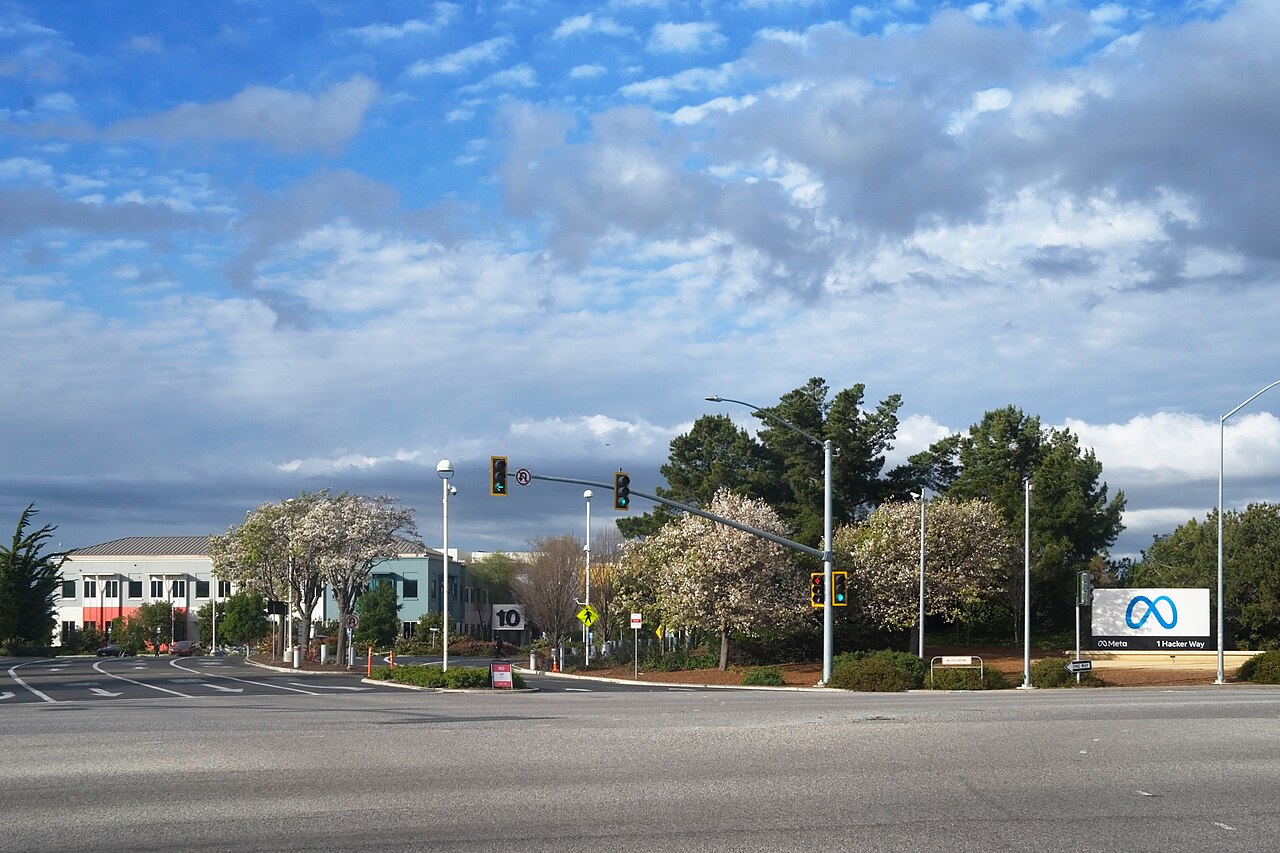
Meta's next-generation VR headset powered by OLED microdisplays—originally planned for 2026—will now ship in 2027, according to industry sources. The delay reflects a strategic pivot away from pure consumer hardware cycles and toward a broader spatial computing platform play anchored in Horizon OS, enterprise tools, and developer enablement. Supplied by panel makers BOE and Seeya, the headset will bring sharper visuals and lower power consumption, but Meta is betting the company on software, AI integration, and commercial use cases rather than racing to refresh consumer SKUs on annual timelines. This move echoes Apple's retreat: Vision Pro 2 is now targeted for 2028–2029, effectively ceding the next 18–24 months to Meta Quest 3 and PlayStation VR2 as the only premium mainstream options.
Hardware & Devices
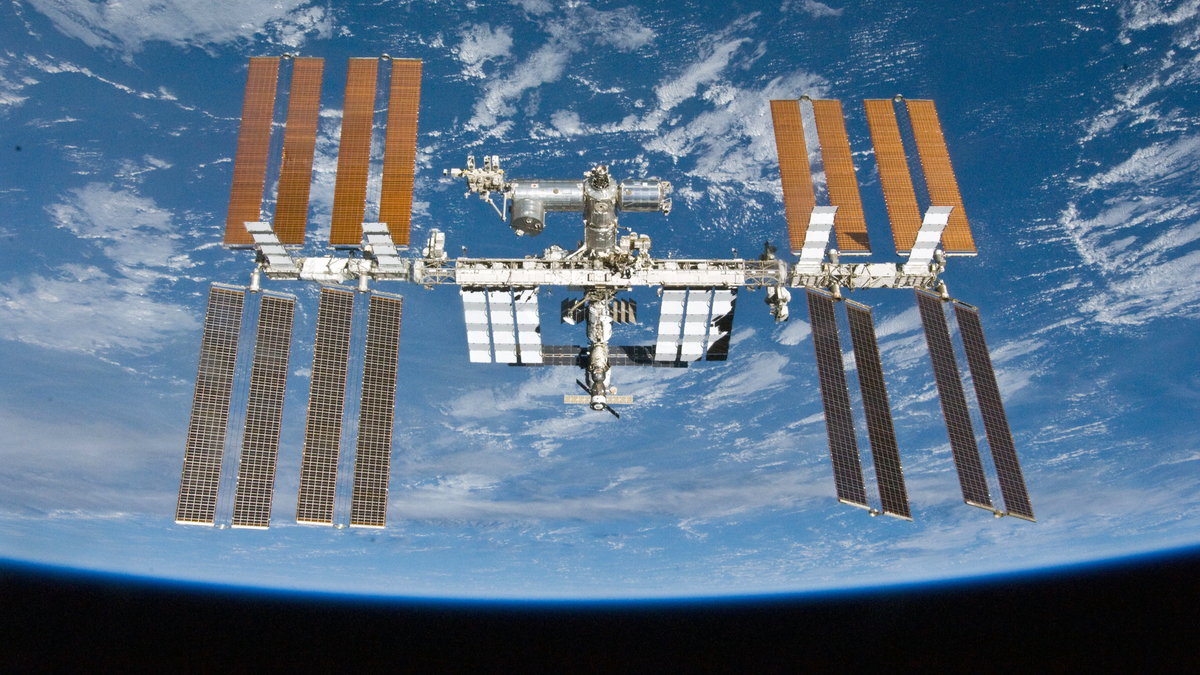
- Meta Quest 3 (Meta) — Two units are being sent to the International Space Station in collaboration with the European Space Agency to train astronauts for spacewalks and extravehicular activities. This marks a significant endorsement of VR's utility for high-stakes professional training and demonstrates enterprise confidence in Quest hardware durability and software adaptability.
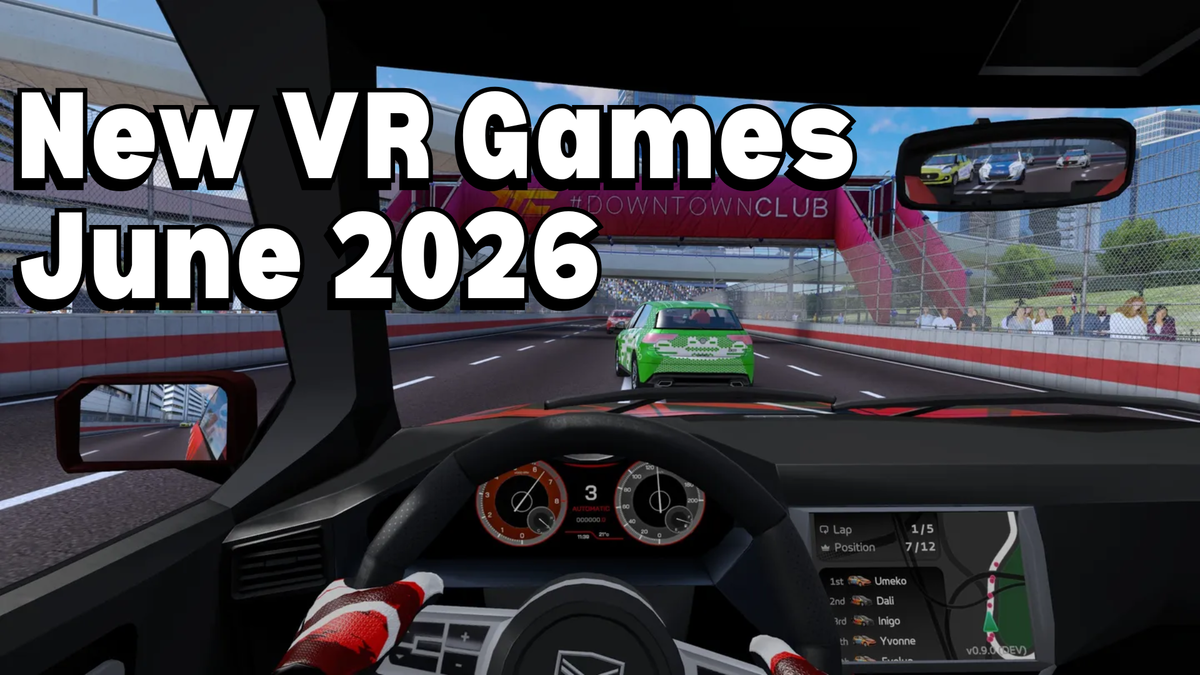
- Meta Quest 3 / PS VR2 / PC VR June 2026 Game Releases — Downtown Club exits Early Access this month after nearly two years in beta, adding multiple new cars and courses. The competitive street racing title joins a growing slate of premium games across platforms, signaling sustained developer confidence in installed VR bases despite hardware refresh delays.
Software, Apps & Experiences
-
Payday: Aces High and Compass — VR Games Showcase Spring 2026 revealed major heist and exploration titles in development, along with confirmed release dates for Wrath: Aeon of Ruin VR, FlatOut 4: VR, Exoshock, and One More Delve. The announcements underscore steady AAA and indie pipeline momentum across Quest, PC VR, and PlayStation platforms.
-
Meta's Immersive Web SDK (IWSDK) with AI Agent Toolkit — Meta announced a major update to its open-source framework for building WebXR experiences, now featuring an "agentic workflow" powered by AI coding assistants. The toolkit aims to lower barriers to entry, allowing developers to build VR web apps without deep coding knowledge—a direct signal that Meta is investing in open-standards VR as a long-term play beyond proprietary app stores.
Platform & Ecosystem Moves
Meta
Meta locked in Connect 2026 for September 23–24 and teased new smart glasses alongside the date announcement. The glasses tease—not a headset reveal—signals where Reality Labs is genuinely spending engineering effort: on lightweight AR form factors rather than iterating on standalone VR. Combined with the Horizon OS push and enterprise focus outlined in the 2026 VR and Horizon OS strategy document, Meta is executing a deliberate shift from racing on consumer hardware specs to building an open platform and securing commercial anchor customers.
Apple
Apple Vision Pro 2 has been pushed to 2028–2029, effectively removing Apple from active competition in the high-end headset market for the next 24 months. The company has stopped major new development on Vision Pro hardware, instead focusing internal resources on visionOS features and demonstrating the platform's viability to enterprise customers (particularly in remote support and design review use cases). This is not a product exit—it's a deliberate pivot to prove software-first value before committing to a second hardware generation.
Developer & SDK Pulse
-
visionOS Support for WebXR AR Module — Apple's developer forums confirm that WebXR "immersive-ar" sessions remain unsupported on visionOS and iOS, with the feature flagged but non-functional. This signals WebXR AR is not yet a priority for Apple's spatial platform strategy, keeping visionOS focused on native Swift and RealityKit APIs rather than web standards.
-
Unity visionOS Package (Experimental) — Unity continues refining its visionOS toolkit, with recent updates compiled for Apple silicon. The experimental package enables developers to build once and deploy to visionOS volumes and immersive spaces, leveraging familiar Unity authoring tools and AR Foundation features.
-
Android XR Feature Expansion (April 2026) — Google added spatial conversion for 2D apps, the ability to pin apps to walls, and enhanced content creation and consumption modes. These features indicate Android XR is broadening beyond gaming toward productivity and ambient computing—a strategic counterpoint to Meta's enterprise focus.
Industry Analysis
The past week has crystallized a fundamental market inflection: consumer VR hardware is in stasis, but enterprise spatial computing is accelerating. Apple (Vision Pro 2 → 2028–2029), Meta (OLED headset → 2027), and other vendors have all extended hardware refresh cycles, signaling they no longer believe annual or biennial generational updates will drive mass adoption. Instead, the focus has shifted to proving software, OS-level value, and B2B anchor use cases. Meta's Quest 3 units going to the ISS exemplify this pivot—training astronauts in zero-gravity EVA is the kind of high-ROI, high-stakes deployment that justifies continued investment and builds credibility with enterprise buyers. Meta Connect in September will be critical: if Meta announces credible smart glasses progress alongside Horizon OS commercialization deals, the company could effectively redefine the category away from gaming-first headsets toward spatial computing platforms. Apple's play is longer-term and riskier: it's betting that visionOS and the Vision Pro ecosystem can survive a hardware hiatus by proving unmatchable software and design chops. Google's Android XR, though less visible in mainstream press, is executing a quiet but deliberate push into app compatibility and ambient UI—exactly what enterprise customers need. The next 30–90 days will determine whether Meta can close early enterprise deals and land smart glasses credibility before Connect; whether Apple can sustain developer enthusiasm through 2028; and whether Google's Android XR gains traction with Qualcomm-powered device makers.
What to Watch Next
- Meta Connect 2026 (September 23–24) — The single most important XR event of the year; Meta's smart glasses tease and Horizon OS strategy will determine whether the company can convince Wall Street that spatial computing is a genuine long-term platform or a prolonged R&D sinkhole.
- Apple Vision Pro Enterprise Wins Through 2026–2027 — Watch for Design Review and Remote Support deployments at Fortune 500 companies. Enterprise credibility is Apple's primary lever to justify a hardware hiatus and justify Vision Pro 2 investment.
- Android XR Device Announcements (Qualcomm/Samsung/Others) — If Qualcomm lands design wins beyond Pico and internal skunkworks, Android XR could become the open-platform alternative to Meta's closed Horizon ecosystem, reshaping the competitive landscape.
Reader Action Items
-
For builders: Shift your 2026 roadmap focus from chasing new consumer hardware to securing an enterprise pilot or design partner (education, healthcare, manufacturing). Consumer hardware timelines are now unreliable; enterprise GTM is where you can prove repeatable unit economics before 2027–2028 hardware refreshes arrive.
-
For investors: Meta's Enterprise and Horizon OS strategy is now the primary thesis driver; evaluate management's ability to land 3–5 anchor commercial customers (Fortune 500 or equivalent) by Q4 2026. Apple is a long-term bet on software moat and luxury positioning; discount consumer VR upside for the next 18 months.
-
For operators: Evaluate Vision Pro and Meta Quest 3 NOW for training, design review, and remote support pilots. Hardware will improve in 2027–2028, but software maturity and vendor commitment will only increase. Early deployments build internal expertise and create switching costs.
Sources Referenced
- UploadVR (uploadvr.com): Quest 3 ISS announcement, June 2026 game releases, upcoming VR games calendar
- Virtual Reality News (virtual.reality.news): Apple Vision Pro 2 delay to 2028–2029
- Road to VR (roadtovr.com): Spring 2026 VR Games Showcase roundup, Meta Immersive Web SDK AI toolkit announcement
- OLED-Info (oled-info.com): Meta OLED headset delay to 2027
- VR.org (vr.org): Meta Connect 2026 date and smart glasses tease
- Apple Developer Forums (developer.apple.com): WebXR AR module status, Unity visionOS package notes
- Google Blog (blog.google): Android XR feature expansion (April 2026)
- VR Ashwa (vrashwa.com): Meta's 2026 VR and Horizon OS strategy overview
- Progressive Robot (progressiverobot.com): Enterprise spatial computing use cases and deployment guidance
virtual.reality.news
uploadvr.com
vr.org
vrashwa.com
uploadvr.com
progressiverobot.com
virtual.reality.news
virtual.reality.news
oled-info.com
Updated: New VR Games And Releases May 2026: Meta Quest, SteamVR, and PlayStation VR2
Everything Announced at the Spring 2026 VR Games Showcase | Road to VR
Upcoming VR Games 2026: New Releases On Quest, PC, PS VR2 & More
New VR Games & Releases June 2026: Meta Quest, PC VR, PlayStation VR2, & More
Meta’s New AI-Powered VR Toolkit Lets Anyone Build WebXR Experiences Without Coding | Road to VR
This content was collected, curated, and summarized entirely by AI — including how and what to gather. It may contain inaccuracies. Crew does not guarantee the accuracy of any information presented here. Always verify facts on your own before acting on them. Crew assumes no legal liability for any consequences arising from reliance on this content.
Powered by
