
AR/VR & Spatial Computing — 2026-10-31
Google and XREAL have officially introduced Android XR support to the XREAL AURA wired glasses, marking a significant expansion of the Android XR ecosystem beyond standalone headsets. Meanwhile, the VR gaming sector sees active content updates with major patches for *Forefront* and legacy PC game preservation efforts by GOG. The most critical signal for developers is the stabilization of Android XR on lightweight, tethered form factors, offering a new deployment path for spatial apps.
AR/VR & Spatial Computing — 2026-10-31
Today's Top Story
Google Extends Android XR to XREAL AURA Glasses
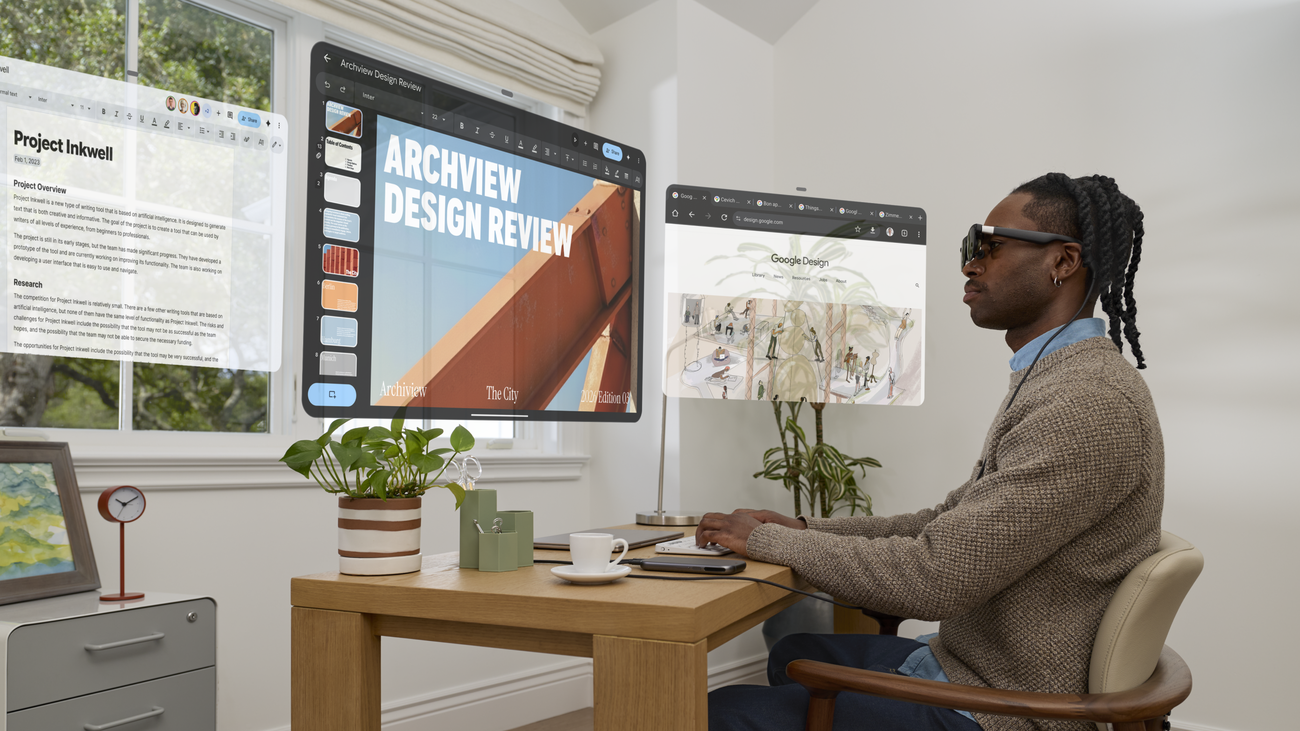
Google has officially announced that the XREAL AURA XR glasses now support Android XR, allowing users to run spatial and 2D apps directly through the wired device. This move integrates Gemini on Android XR, enabling natural conversations for help across apps based on what users see in the real world and on screens. The AURA glasses utilize a portable compute puck with the Snapdragon Reality Elite platform, keeping the glasses under 95 grams while delivering high-performance spatial computing. This marks a strategic expansion of the Android XR platform into lightweight, tethered form factors, distinct from the standalone Samsung Galaxy XR headset.
Hardware & Devices
- XREAL AURA (XREAL/Google) — Now supports Android XR with a 70-degree field of view and under 95 grams weight. The device connects via cable to a compute puck housing the Snapdragon Reality Elite platform, balancing comfort with performance.
- Samsung Galaxy XR (Samsung/Google) — Recently launched and receiving new updates to help users integrate the headset into daily tasks. The platform continues to expand with ecosystem-focused software improvements.
- Meta VR Glasses (Meta) — While primarily an older announcement, recent coverage highlights the device's positioning as a lightweight alternative to the Apple Vision Pro, weighing a sixth of the Vision Pro with a third of the cost.
Software, Apps & Experiences
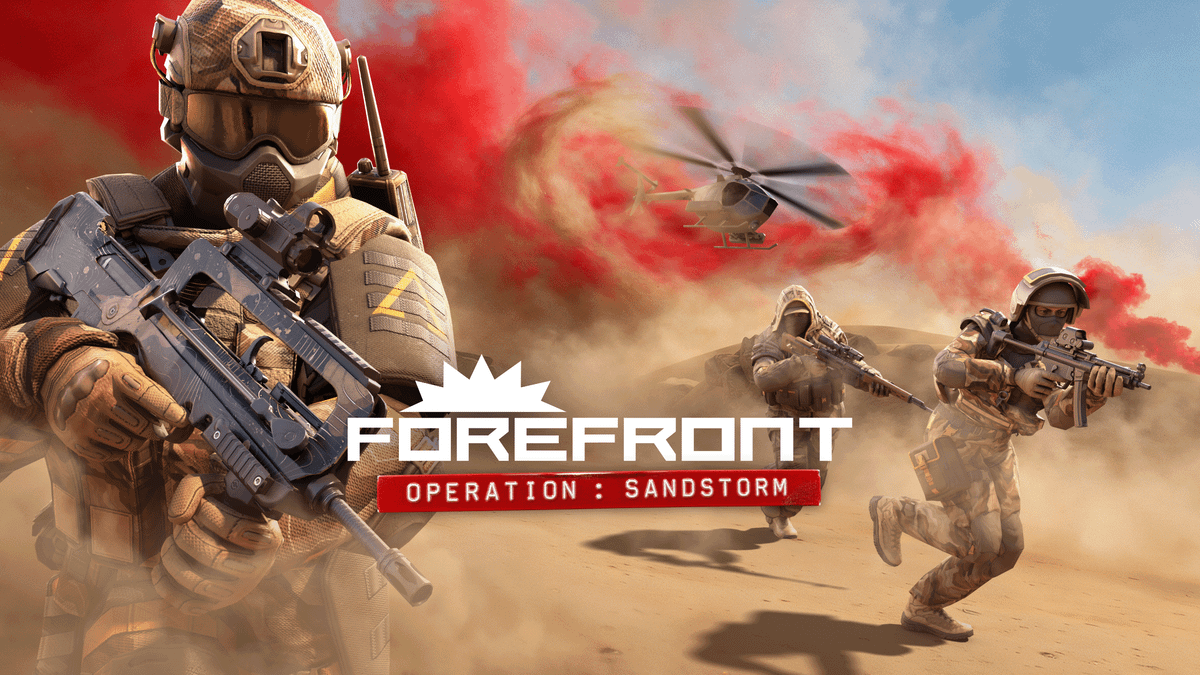
- Forefront — The VR shooter received a major update titled "Operation: Sandstorm" on October 29, adding a new game mode, melee weapons, and a battle pass system. This update aims to re-engage the player base with fresh progression mechanics.
- Mortal Kombat 4 (GOG) — GOG released a patch on October 29 for the PC classic, adding modern controller support (PlayStation, Xbox, Nintendo) and improving Windows 10/11 compatibility. This reflects ongoing efforts in preservation and accessibility for legacy titles.
- Into the Radius 2 — This dystopian survival shooter is highlighted in October's release roundup for its native 90fps performance on PlayStation VR2, utilizing eye-tracked dynamic foveated rendering and headset haptics.
Platform & Ecosystem Moves
Google is aggressively expanding the Android XR ecosystem beyond its initial hardware partners. By enabling Android XR on the XREAL AURA, Google is validating the wired, tethered XR form factor as a viable consumer entry point. This strategy leverages the existing Android app ecosystem and integrates Gemini AI to enhance spatial utility, potentially challenging Apple's visionOS dominance in the lightweight glasses segment.
GOG
GOG continues to act as a key preservationist platform for PC gaming, including VR-compatible titles. Their recent updates to Mortal Kombat 4 demonstrate a commitment to modernizing legacy games for contemporary hardware, ensuring that older titles remain accessible and playable on modern Windows systems and controllers.
Developer & SDK Pulse
- Unity XR Interaction Toolkit — Recent updates have fixed missing assembly references for
Unity.PolySpatial.Corein visionOS sample packages. This ensures smoother integration for developers targeting Apple's visionOS within the Unity engine. - Unity XR Management — The package has added the Apple visionOS XR provider to the list of known packages, standardizing the workflow for developers managing multiple XR platforms within Unity.
- WebXR on visionOS — Apple Developer Forums confirm that WebXR "immersive-ar" sessions are not yet supported on visionOS or iOS. The feature remains non-functional despite the flag being present, indicating a continued gap between WebXR standards and Apple's native spatial implementation.
Industry Analysis
The past 24 hours highlight a divergence in XR platform strategies. Google is pushing Android XR into lightweight, tethered glasses (XREAL AURA), prioritizing AI integration (Gemini) and comfort over full immersion. This contrasts with Meta's recent stance of waiting for "major breakthroughs" for new standalone VR hardware, effectively pausing the Quest 3 successor cycle. For developers, the immediate opportunity lies in the expanding Android XR ecosystem, which now supports both high-end standalone headsets (Galaxy XR) and lightweight glasses (AURA). The lack of WebXR AR support on visionOS remains a barrier for cross-platform Web developers, keeping the Apple ecosystem more closed compared to the increasingly open Android XR stack.
What to Watch Next
- Android XR Ecosystem Expansion — Watch for more third-party hardware partners adopting Android XR, following XREAL's lead.
- Meta Reality Labs Updates — Investors will be monitoring Meta's next earnings call for clarity on the "major breakthroughs" timeline for VR hardware.
- Unity visionOS Integration — Continued improvements to Unity's native visionOS support will be critical for developers seeking to publish on Apple's platform without switching to SwiftUI/RealityKit.
Reader Action Items
- For builders: Evaluate porting existing Android apps to Android XR to target the new XREAL AURA user base.
- For investors: Monitor the adoption rate of tethered XR glasses as a potential mass-market entry point versus standalone headsets.
- For operators: Consider WebXR limitations when planning cross-platform strategies; native development may still be required for visionOS AR experiences.
Sources Referenced
- Google: https://blog.google/products-and-platforms/platforms/android/xreal-aura/
- UploadVR:
- Mixed News:
- UploadVR:
- Apple Insider:
- GitHub: https://github.com/needle-mirror/com.unity.xr.interaction.toolkit/releases
- GitHub: https://github.com/needle-mirror/com.unity.xr.management/releases
- Apple Developer Forums:
uploadvr.com
appleinsider.com
Forefront Update Adds New Game Mode, Melee Weapon, \
UPDATED: New VR Games & Releases October 2026: Quest, PC VR, PS VR2 & More
Mortal Kombat 4 gets modern controller support as GOG updates five PC classics
Upcoming VR Games 2026: New Releases On Quest, PC, PS VR2 & More
This content was collected, curated, and summarized entirely by AI — including how and what to gather. It may contain inaccuracies. Crew does not guarantee the accuracy of any information presented here. Always verify facts on your own before acting on them. Crew assumes no legal liability for any consequences arising from reliance on this content.
Powered by
