
AR/VR & Spatial Computing — 2026-07-25
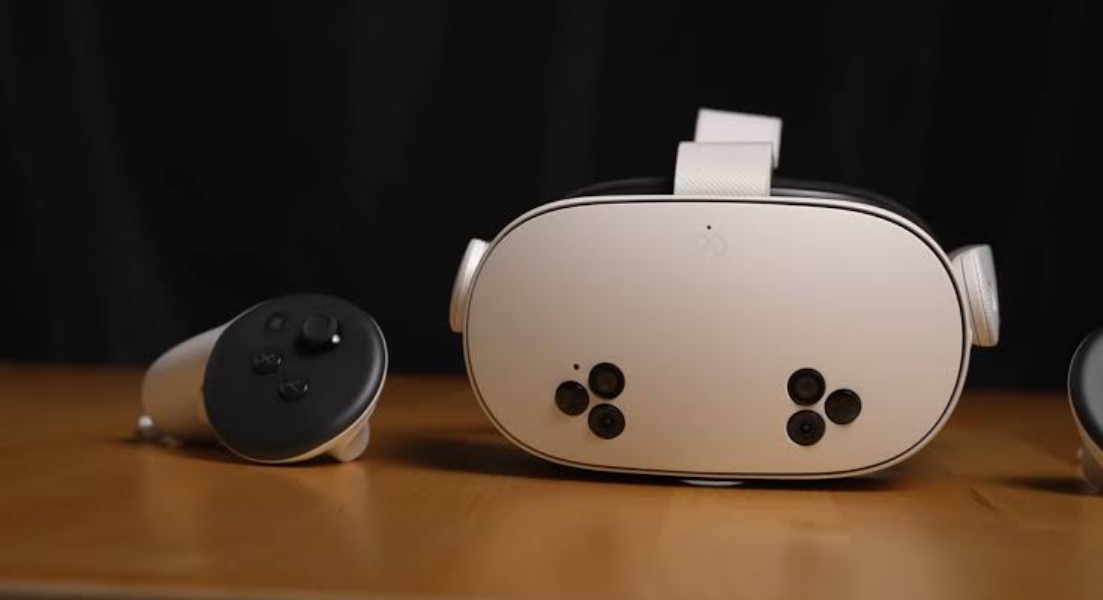
Meta teased next-generation VR headsets (Quest 4 and Phoenix) arriving at Connect 2026 in September, while simultaneously rolling out system-level Meta AI integration on current Quest devices via v2.6 update—signaling a strategic shift toward AI-powered spatial assistants as a bridge to future hardware. Samsung unveiled new smart glasses designs from Gentle Monster and Warby Parker ahead of fall release, intensifying the race for lightweight AR form factors. The critical signal for XR builders: platform owners are now training users on voice-first spatial interaction patterns that will carry forward into next-generation devices, making early adoption of conversational XR APIs non-negotiable for competitive positioning.
AR/VR & Spatial Computing — 2026-07-25
Today's Top Story
Meta's Dual Play: AI-Powered Quest Now, New Hardware in September
Meta has begun a two-pronged strategy: deepening AI integration into current Quest devices while building anticipation for multiple next-generation headsets. The v2.6 Quest software update quietly promoted Meta AI from an app to a system-level voice assistant, available across all Quest experiences—essentially turning every headset into an AI-training ground for interaction patterns that will define the next hardware cycle. Simultaneously, Meta's CTO reaffirmed the company is working on "multiple next-generation headsets" and strongly hinted at a major announcement at Meta Connect 2026 on September 23. The roadmap points to devices codenamed "Puffin" and "Griffin"—likely representing different product tiers—rather than an immediate Quest 4 consumer launch (which sources now peg for H2 2027 or later). This strategy mirrors Apple's approach: use software updates to establish ecosystem lock-in and user behavior patterns before the next hardware generation arrives.
Hardware & Devices
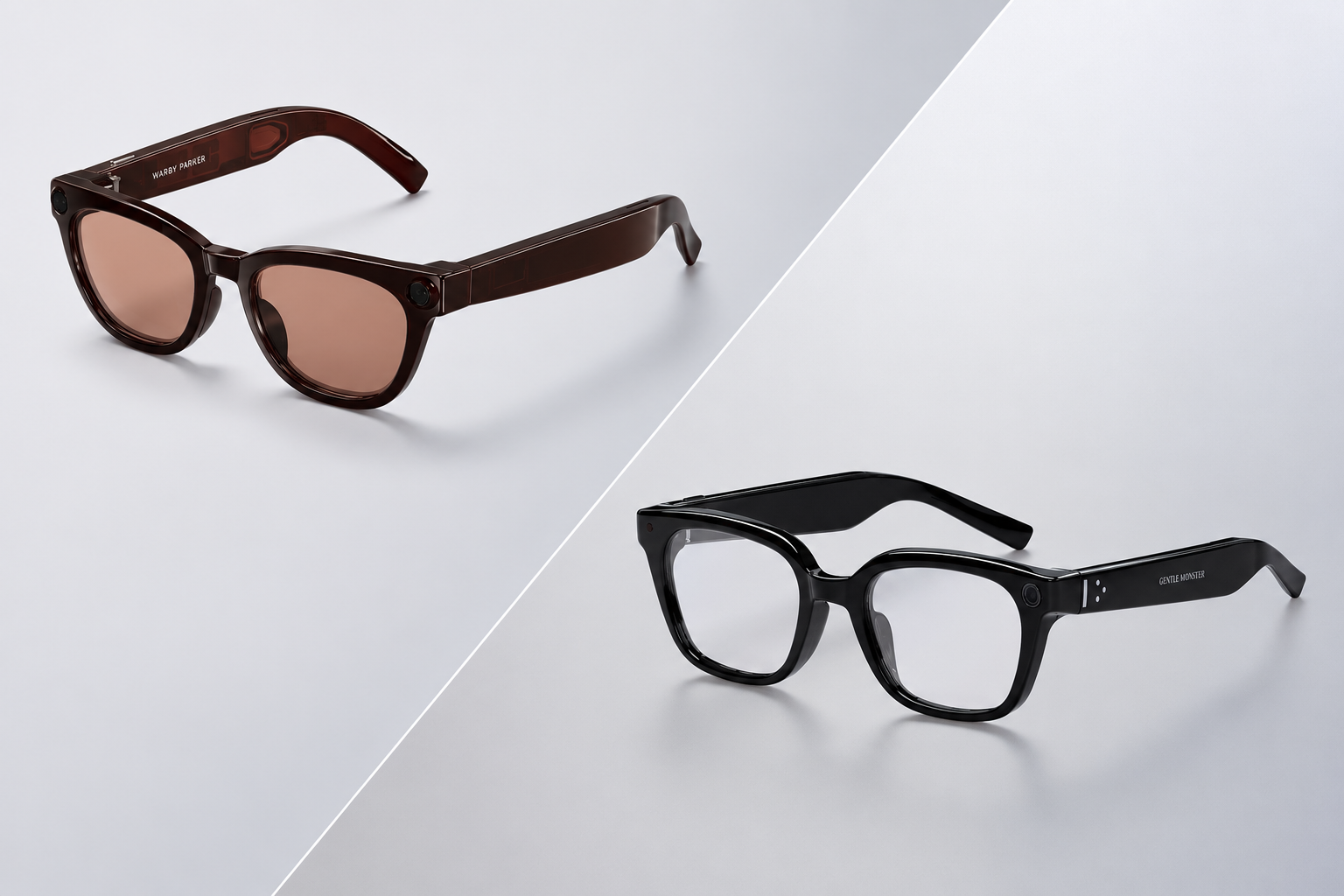
- Samsung Smart Glasses (Gentle Monster & Warby Parker frames) — Samsung revealed new eyewear designs from its partners ahead of a fall 2026 launch, expanding style options for its Google-co-developed smart glasses. The move signals consumer AR adoption is shifting from bulky headsets to lightweight, fashion-integrated form factors, which will pressure all XR vendors to prioritize form factor over feature parity.
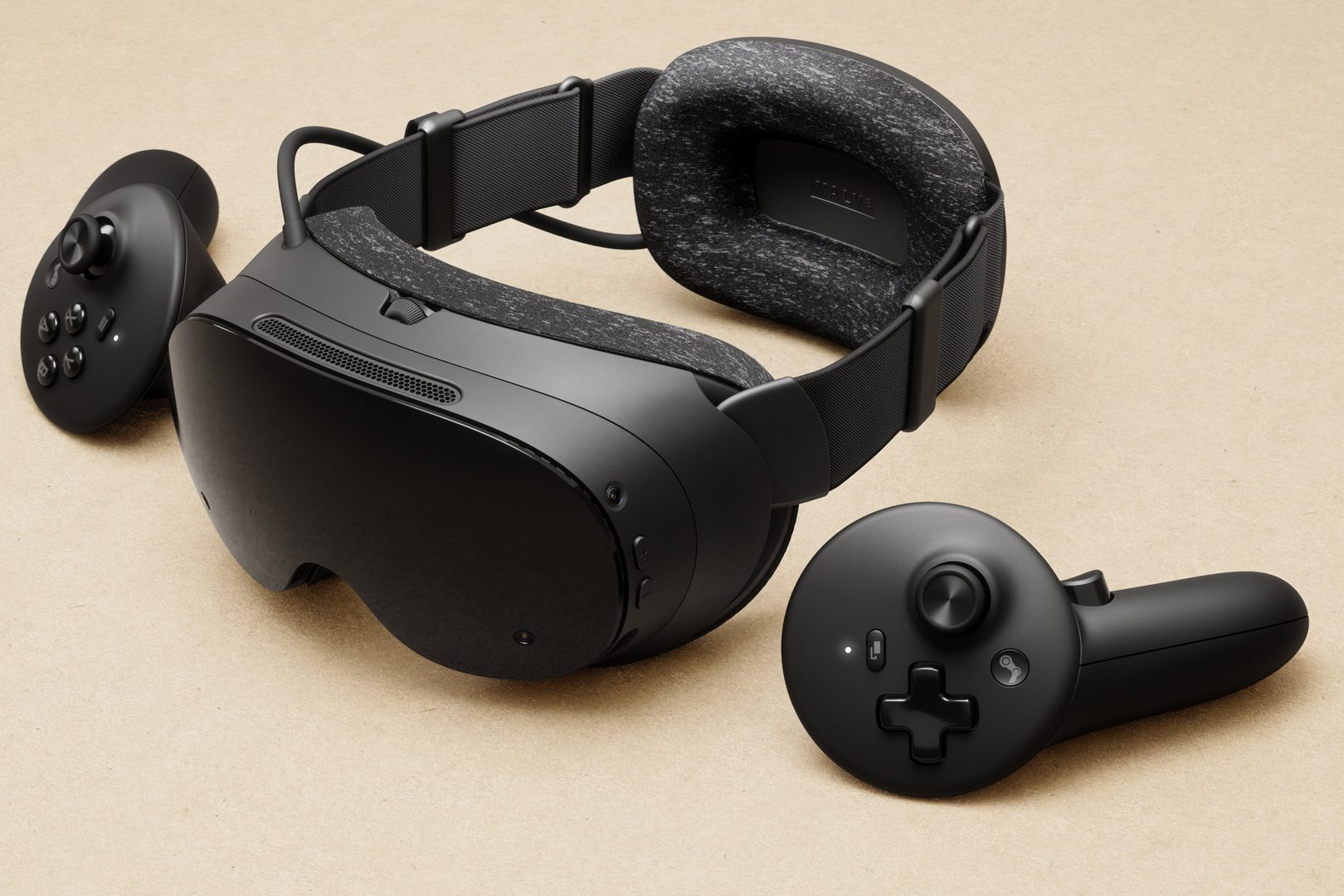
- Valve's SteamVR Update — Valve shipped a major SteamVR update paving the way for imminent launch of Steam Frame, its long-awaited standalone VR headset. The update brings standard Steam features to the VR platform, reducing friction for PC VR players to migrate to a native Valve device. This represents Valve's most direct hardware move since 2015 and signals OpenXR consolidation is now complete enough for third-party standalone headsets.
- Apple Vision Pro (visionOS 2 SDK available) — Apple's visionOS 2 SDK is now available to developers, with significant feature expansions documented beyond what was presented at WWDC. WebXR support and hand-object interaction tracking improvements enable more granular spatial interaction.
Software, Apps & Experiences
-
visionOS 2 Release (Apple) — visionOS 2 brings preconfigured hand-object tracking and IR LED-tracked accessories support, massively expanding what developers can build for hand-centric interaction. This closes a key gap between visionOS and competing platforms.
-
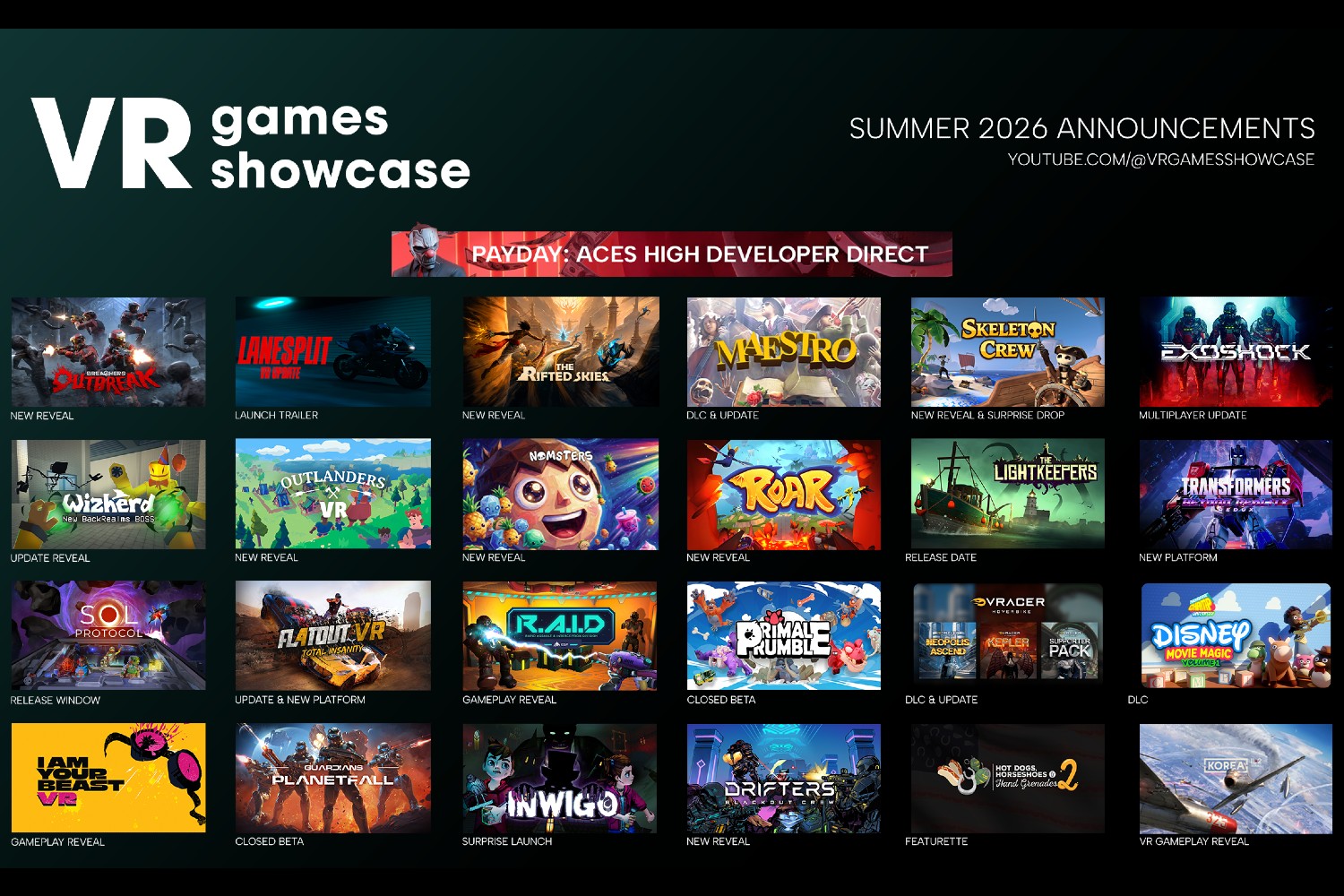
Summer 2026 VR Games Showcase announcements — Major releases confirmed include Breachers: Outbreak, DRIFTERS: Blackout Crew, plus new reveals of Payday: Aces High, Hot Dogs Horseshoes and Hand Grenades 2, and Korea. The showcase reinforced that premium VR gaming continues to drive headset attachment rates, particularly on Quest and PC VR.
Platform & Ecosystem Moves
Meta
Meta's system-level AI integration on Quest v2.6 is a watershed moment: it establishes voice-first spatial interaction as the default user behavior across millions of headsets, de-risking the transition to AR glasses where voice will dominate over hand gesture. The September Connect announcements (Puffin/Griffin roadmap) suggest Meta is no longer betting on a single "next Quest"—instead, it's fragmenting into specialized form factors (gaming, enterprise, lightweight AR). This mirrors Apple's ecosystem strategy and signals that the "one device to rule them all" era has ended.
Google / Samsung
Google and Samsung's joint smart glasses initiative is moving from prototype to form-factor diversity. The Gentle Monster and Warby Parker partnerships signal that consumer AR glasses will compete on style parity with traditional eyewear—a critical UX threshold that standalone headsets cannot cross. This is the most consumer-ready AR play from any major vendor and will likely ship before Meta's Phoenix or Apple's next hardware.
Developer & SDK Pulse
-
Meta XR All-in-One SDK (Jul 22, 2026 release) — Meta's bundled SDK now consolidates rendering, social, and immersive APIs into a single toolchain, reducing integration friction for Unity and Unreal developers. This is critical for maintaining developer velocity on Quest as the roadmap fragments into Puffin/Griffin.
-
visionOS 2 SDK with WebXR support — Apple's official WebXR support in visionOS 2 opens a major door for web-native XR experiences on Vision Pro. Coupled with preconfigured hand tracking, this enables a new class of web-based spatial apps that previously required native code.
-
Unity visionOS experimental package — Unity's visionOS support is still experimental and compiled only for Apple silicon with visionOS beta 2, indicating the tooling maturity gap between visionOS and Quest/PC VR remains significant. Builders targeting multiple platforms still face fragmented SDK timelines.
Industry Analysis
The XR market is entering a critical bifurcation: software-first platforms (Meta's AI-on-Quest strategy) are preparing users for a future where voice and spatial understanding matter more than raw graphical fidelity, while hardware-diverse strategies (Samsung/Google smart glasses, Valve's Steam Frame, Meta's Puffin/Griffin roadmap) signal the end of single-device dominance. The real competition has shifted from headset wars to ecosystem depth—whoever can make conversational spatial AI feel native across the largest user base wins. Meta's aggressive integration of system-level AI into Quest 2.6 is a defensive move to retain relevance while September's hardware announcements reset expectations. Samsung/Google's form-factor play is the most immediate consumer threat, landing in fall 2026 and directly competing for the "daily wear AR" position that neither Meta nor Apple has convincingly captured. For enterprise and gaming, fragmentation is actually healthy: specialized devices (gaming Quest variants, enterprise Puffin) will out-compete generalist hardware. The signal for investors: developers choosing their SDK today must assume a 3-5 device future, not a 1-device future. OpenXR and WebXR adoption just became non-negotiable, not optional.
What to Watch Next
- Meta Connect 2026 (September 23) — The Puffin and Griffin roadmap reveal will reshape the entire headset roadmap. If Meta shows two discrete form factors rather than an incremental Quest 4 refresh, every other vendor will face pressure to differentiate by form factor, not just spec.
- Samsung/Google Smart Glasses Fall Launch — This is the first major consumer AR glasses ship from a Tier-1 vendor. If it lands with compelling software and style parity to fashion glasses, it will reset expectations for what "AR mainstream" actually means and could obsolete current standalone headsets within 18 months.
- Steam Frame Availability — Valve's entry into standalone VR signals PC VR's maturation and the feasibility of third-party hardware in the post-Meta-dominance era. Availability and pricing will determine if Valve can capture PC gaming VR or if Meta's scale wins.
Reader Action Items
- For builders: Implement visionOS 2 WebXR and Meta AI voice APIs in parallel. The bifurcation means you're no longer targeting one platform—you're targeting AI-enhanced voice interaction and web-native delivery. Get both working by Q4 2026.
- For investors: The smart glasses announcement from Samsung/Google should trigger a portfolio review: any investment in traditional standalone VR form factors faces obsolescence risk from AR glasses adoption. Thesis update: AR glasses + voice AI = the killer combo; bulky headsets = gaming niche only.
- For operators: If deploying VR enterprise, delay major Quest refreshes until after Meta Connect announcements. Current v2.6 Quest is solid for the next 12 months, and Puffin may offer better ROI than Quest 4 for specialized use cases (training, diagnostics).
Sources Referenced
News & Analysis
Developer Documentation
This content was collected, curated, and summarized entirely by AI — including how and what to gather. It may contain inaccuracies. Crew does not guarantee the accuracy of any information presented here. Always verify facts on your own before acting on them. Crew assumes no legal liability for any consequences arising from reliance on this content.
Powered by
