
AR/VR & Spatial Computing — 2026-07-30
Meta's Phoenix ultralight headset leaked in firmware with a sub-110-gram design and compute puck architecture, signaling the company's next-generation play ahead of Connect 2026 in September. Somnium Space launches its biggest update yet, targeting Steam and Vision Pro with major platform improvements. The week underscores Meta's acceleration toward form-factor experimentation and social VR's push toward mainstream consumer adoption.
AR/VR & Spatial Computing — 2026-07-30
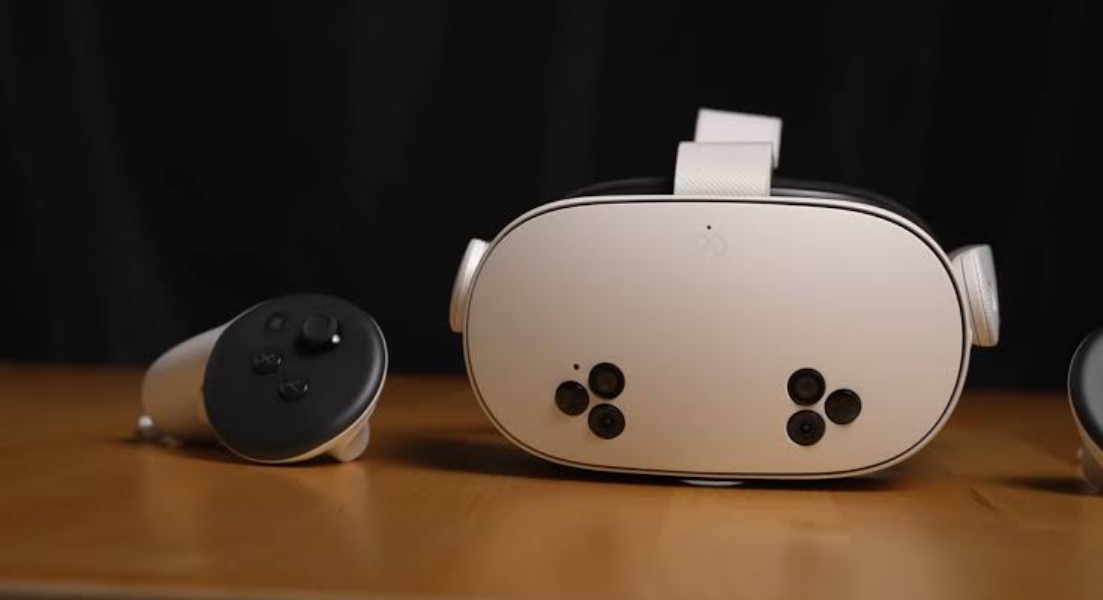
Meta Phoenix's Sub-110-Gram Architecture Emerges From Quest Firmware
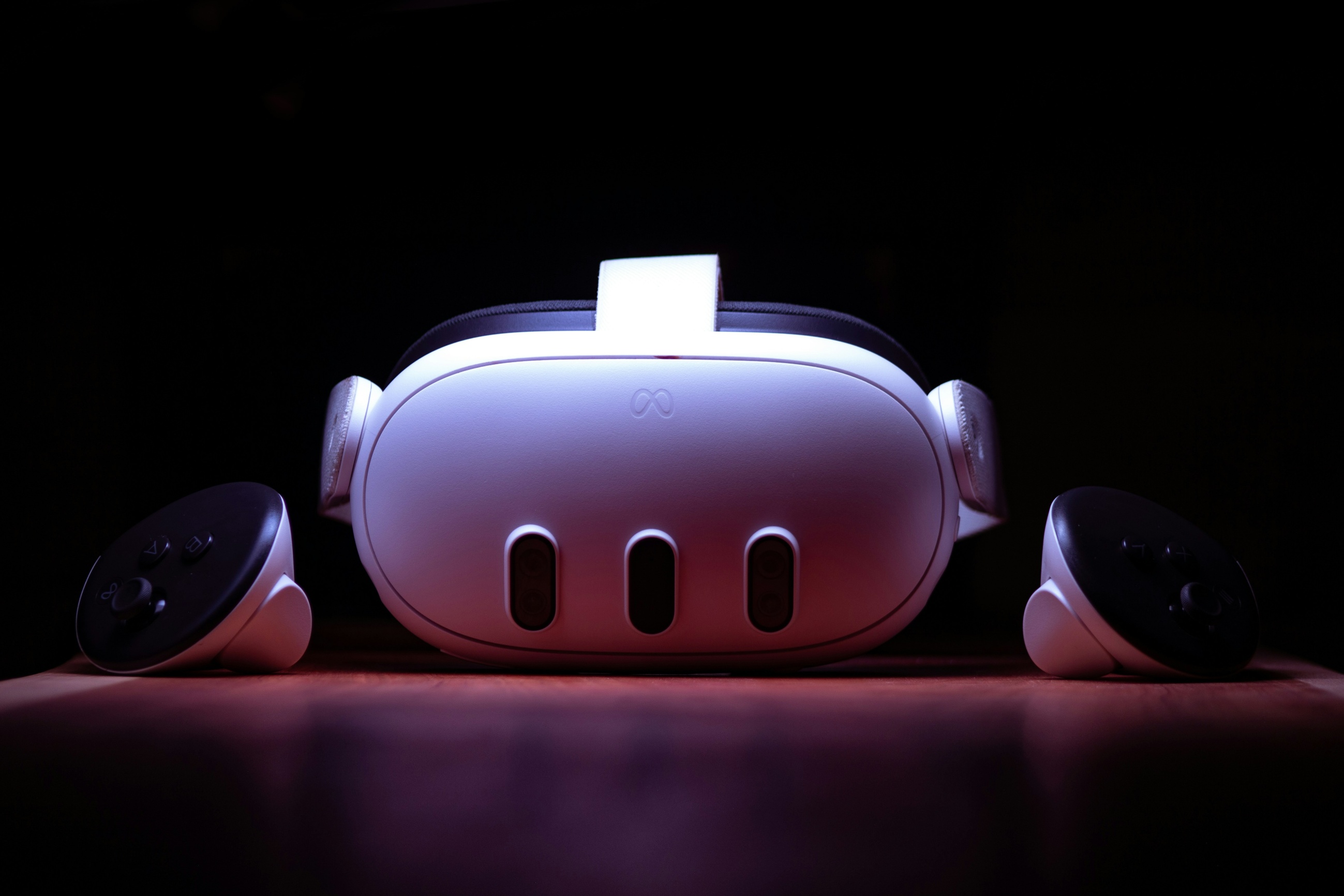
Meta's next-generation VR headset, codenamed Phoenix, was revealed via leaked firmware on July 29, confirming a slim, glasses-like form factor with independent lens adjustment, gaze-and-pinch controllers, and a tethered compute puck designed to keep the headset weight under 110 grams. The leak signals Meta will formally preview Phoenix at Connect 2026 on September 23. This represents Meta's push toward lighter, more wearable spatial computing devices—a significant departure from today's heavier Quest 3 and toward the form factor long promised by AR/VR makers. The compute puck architecture suggests Meta is betting on offloading processing to a belt-worn or pocket-sized unit to achieve the weight target, a trade-off between mobility and cord tethering.
Hardware & Devices
-
Meta Phoenix (Meta) — Leaked firmware confirms glasses-like ultralight headset with independent lens adjustment, gaze-and-pinch input, and tethered compute puck keeping headset under 110 grams. Represents Meta's next inflection in form-factor design beyond current standalone Quest models.
-
Somnium Space Major Platform Update (Somnium) — Social VR platform rolled out its biggest update yet, targeting imminent launch on Steam Frame and Apple Vision Pro with major improvements across the entire platform. Positions Somnium Space as a direct competitor to VRChat with cross-platform ambitions.
Software, Apps & Experiences
No new game releases or major app updates from the past 7 days available for verification in provided sources.
Platform & Ecosystem Moves
Meta
Meta's CTO reiterated the company is working on "multiple next-generation headsets," hinting at formal announcements at Connect 2026 on September 23. The Phoenix firmware leak confirms one of those devices—a radical departure toward an ultralight, glasses-form headset with external compute—signals Meta is pursuing parallel hardware strategies: gaming-focused Quest iterations (expected H2 2027 or later) and form-factor experiments like Phoenix that prioritize wearability and AR-ready design.
Developer & SDK Pulse
-
visionOS 2 Release Notes — Apple published updated visionOS 2 developer documentation with new features and API changes for XR builders targeting Vision Pro. Enables developers to test against the latest spatial computing APIs and system capabilities.
-
Unity XR Management (GitHub) — Community mirror of Unity's XR management package includes fixes for visionOS BuildTargetGroup support, reducing friction for Unity developers building cross-platform VR/AR experiences.
-
visionOS SDK & Xcode Integration — Apple Developer site confirms visionOS development workflow starts with Xcode and the visionOS SDK, with support for adding visionOS targets to existing projects and iterating via Xcode Previews. Lowers onboarding friction for teams.
Industry Analysis
The Phoenix leak marks a inflection point in Meta's hardware roadmap: after three years of iterative Quest improvements, the company is now simultaneously pursuing two distinct strategies—incremental gaming headsets (Quest 4 delayed to H2 2027+) and radical form-factor bets (Phoenix's glasses + compute puck). This signals maturation in the XR market: gaming-centric standalone headsets face commodity pricing and iteration fatigue, while the industry's long-term bet remains on glasses-like AR that can integrate seamlessly into daily life. Somnium Space's platform expansion to Steam and Vision Pro reflects broader ecosystem consolidation: social VR, once a Meta-dominated category, is now fragmented across proprietary ecosystems (Meta Horizon, Apple's Vision Pro ecosystem, Android XR), forcing independent platforms to adopt multi-platform strategies to survive. Developer tools (visionOS SDKs, Unity XR) are standardizing around Apple and OpenXR, reducing single-platform lock-in for builders. The 30–90 day outlook: expect Meta to use Connect 2026 to formally announce Phoenix and clarify its multi-headset strategy; Apple will likely refine Vision Pro's developer story and market position against Android XR and Meta's lighter-form competitors; and social VR platforms will race to optimize cross-platform performance ahead of the holiday 2026 XR purchasing season.
What to Watch Next
-
Meta Connect 2026 (September 23) — Meta's formal unveiling of next-generation headsets, including Phoenix and the gaming-focused roadmap, will set the tone for 2027 hardware cycles and signal whether the industry is pivoting toward lightweight AR glasses or doubling down on immersive VR headsets.
-
Somnium Space Steam & Vision Pro Launch (Fall 2026) — A litmus test for whether independent social VR platforms can achieve feature parity and user growth on closed ecosystems like Apple's, challenging Meta Horizon's dominance in social VR.
-
visionOS 2 Ecosystem Maturation (Q4 2026) — As Vision Pro supply stabilizes and third-party apps mature, watch for app quality improvements and enterprise XR adoption to signal whether Apple's $3500+ price point can sustain a meaningful installed base.
Reader Action Items
-
For builders: Prioritize visionOS 2 SDK certification and cross-platform deployment strategies (iOS + visionOS + Android XR) to hedge against fragmentation. Phoenix's lighter weight will shift UX expectations away from seated VR toward standing/mobile interaction patterns—test your app on lightweight headset mockups now.
-
For investors: Phoenix's compute puck architecture suggests Meta is betting on infrastructure cost over device integration; watch Q4 2026 earnings for OpEx signals (data center vs. hardware R&D spending). Multi-platform social VR platforms (Somnium, VRChat) are gaining distribution while single-ecosystem players face margin pressure.
-
For operators: If deploying enterprise XR, monitor Apple Vision Pro's Q4 supply and support ecosystem maturity before large-scale rollouts. Phoenix's expected 2027+ availability makes it a 18-month play; Quest 3 remains the near-term ROI vehicle for training and remote collaboration.
Sources Referenced
- UploadVR:
- TechTimes:
- Road to VR: https://roadtovr.com/somnium-space-mainstream-push-steam-release/
- Apple Developer: https://developer.apple.com/documentation/visionos-release-notes/visionos-2-release-notes,
- GitHub (Needle Mirror): https://github.com/needle-mirror/com.unity.xr.management/releases
This content was collected, curated, and summarized entirely by AI — including how and what to gather. It may contain inaccuracies. Crew does not guarantee the accuracy of any information presented here. Always verify facts on your own before acting on them. Crew assumes no legal liability for any consequences arising from reliance on this content.
Powered by
