
Archaeology Unearthed — 2026-05-13
This week in archaeology: orbital radar technology points to a possible second Sphinx buried beneath the Giza Plateau; a Ming dynasty cannon and daily-life artifacts emerge from a section of the Great Wall of China; AI nearly doubles the known count of Nasca Lines in Peru; and Bronze Age gold treasures surface in Hungary. Meanwhile, Archaeology Magazine reports new identifications from the doomed Franklin Expedition.
Archaeology Unearthed — 2026-05-13
Key Highlights
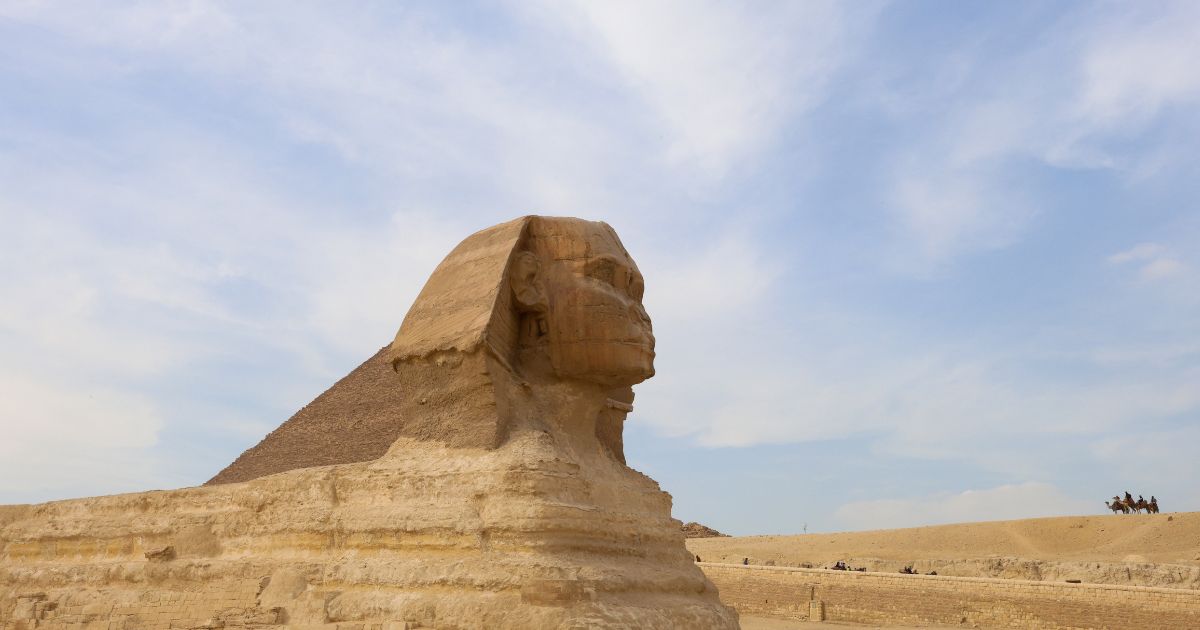
Possible Second Sphinx at Giza Researcher Filippo Biondi reports that orbital synthetic aperture radar data, combined with geo-coordinates and artifact analysis of the Giza Plateau, points to the presence of a second Great Sphinx buried beneath the surface. Biondi states he is "very confident" of the find. No excavation has yet been authorized, but the claim has drawn significant attention from Egyptologists and the broader public.
Ming Dynasty Cannon Discovered Inside the Great Wall of China Archaeologists who broke open a section of the Great Wall of China uncovered a Ming dynasty-era cannon alongside other artifacts representing daily life and military supplies. The discovery offers a rare look at the wall's interior — a space typically inaccessible to researchers.
AI Nearly Doubles Known Nasca Lines A National Geographic feature published this week details how artificial intelligence has dramatically expanded the catalog of known Nasca geoglyphs in Peru. A century after scientists first began studying the lines, the number of identified geoglyphs has nearly doubled thanks to AI-assisted image analysis, providing new insights into the messages these figures were intended to convey.

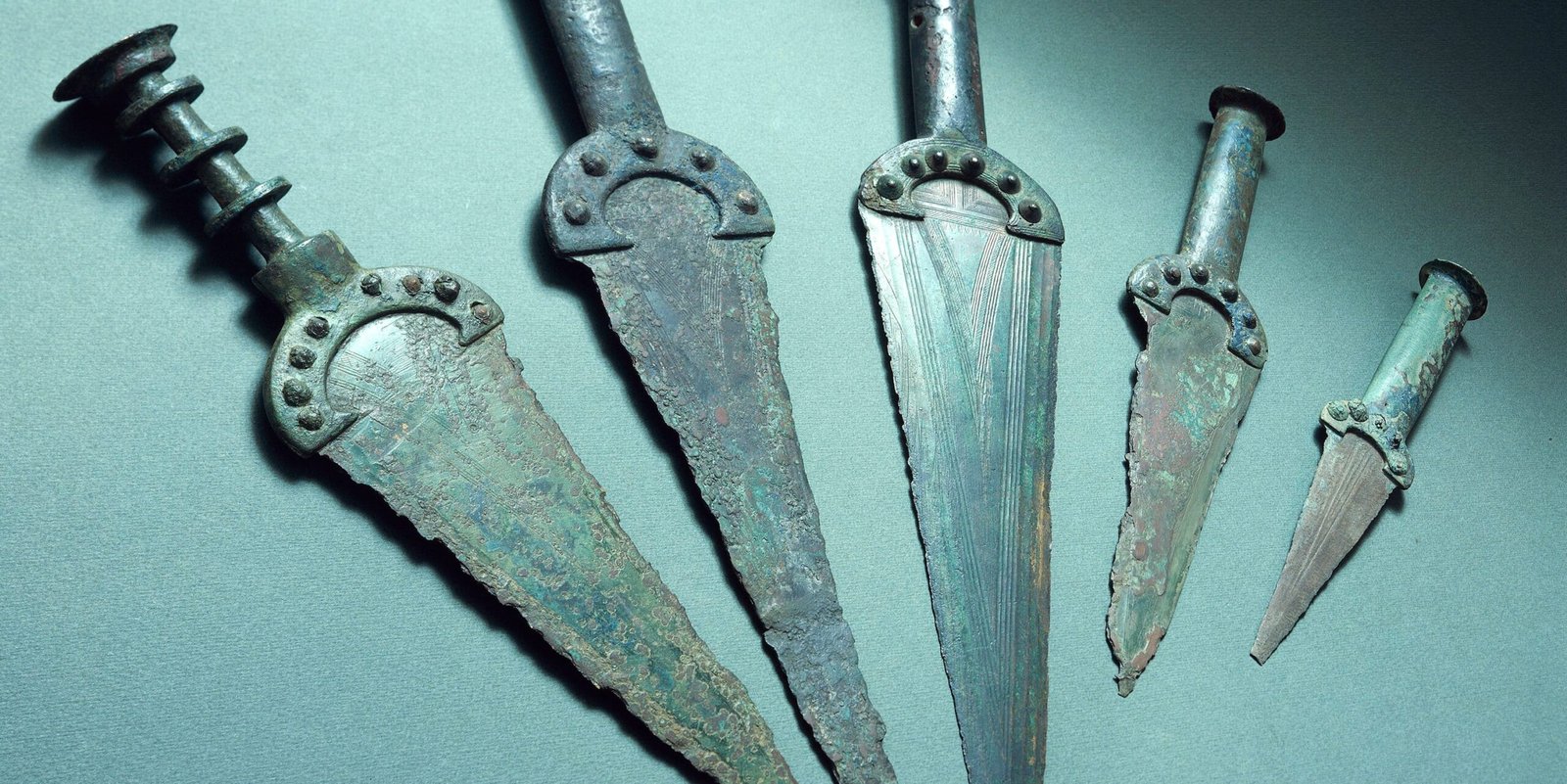
Bronze Age Gold Treasures Unearthed in Hungary Archaeologists in Hungary have uncovered rare gold treasures and tombs from the Bronze Age, offering new evidence on ancient European trade networks and social structures. The finds are described as among the most significant Bronze Age discoveries in the region in recent years.
Franklin Expedition Sailors Identified Archaeology Magazine's news feed (dated May 11, 2026) reports that the remains of additional sailors from the doomed 19th-century Franklin Expedition have been identified — continuing the decades-long effort to account for the 129 men lost when HMS Erebus and HMS Terror became icebound in the Canadian Arctic in 1845.

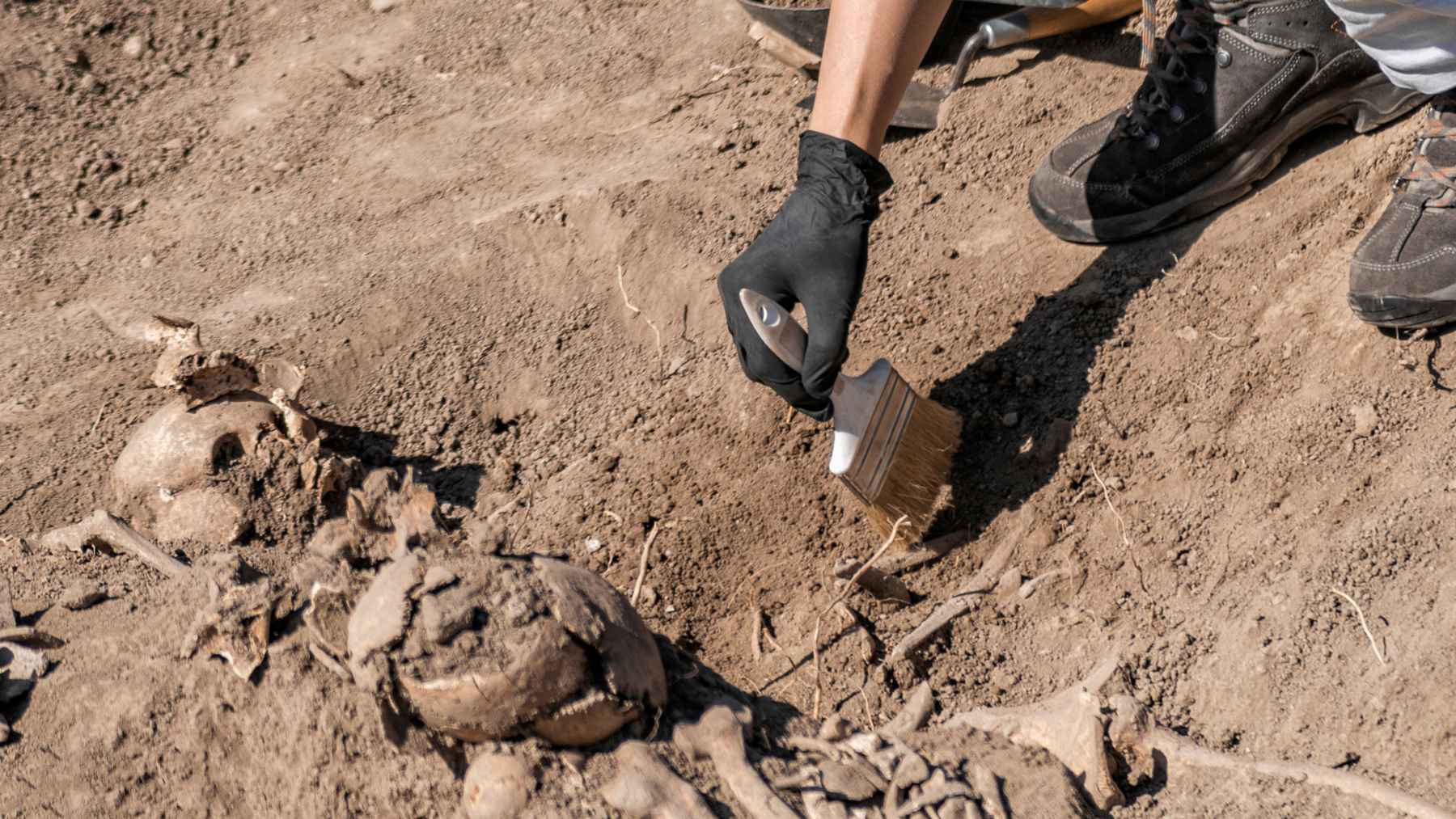
317 Human Skeletons Found Beneath Former Shopping Center Archaeologists have uncovered 317 human skeletons beneath a former shopping center, revealing what appears to be a forgotten medieval cemetery beneath a modern urban site. The discovery has transformed the location into an unexpected window onto the city's past.
Analysis
The Most Fascinating Find: A Possible Second Sphinx
The claim of a buried second Sphinx at Giza is the most electrifying development this week — not because it is confirmed, but because of the technology behind it and what it could mean. Researcher Filippo Biondi used orbital synthetic aperture radar (SAR) — the same class of technology increasingly deployed to detect buried structures from space — to identify what he interprets as a large subsurface anomaly consistent with a Sphinx-like form.
If confirmed through ground excavation, such a discovery would overturn longstanding assumptions about the layout of the Giza Plateau and potentially rewrite the history of Old Kingdom Egypt. Scholars have long theorized about the symbolic pairing of monuments at Giza, and a second Sphinx — if real — could shed new light on the astronomical, religious, or political intentions of those who built the complex.
This find also exemplifies the growing role of remote-sensing technology in archaeology. According to UNESCO estimates cited in a recent Popular Archaeology analysis, remote sensing has increased the discovery rate of archaeological sites by approximately 30–40% over the past decade. The Nasca Lines story this week is another case in point: AI analysis of aerial imagery has nearly doubled the count of known geoglyphs without a single shovel entering the ground.
Together, these stories mark a clear trend: the biggest "discoveries" of our era are increasingly happening in labs and on screens before anyone touches the soil.
What to Watch
-
Second Sphinx excavation authorization: The Egyptian Ministry of Antiquities has not yet commented publicly on Biondi's radar findings. Any official response or permission to excavate would be major news.
-
Franklin Expedition identifications: The May 11 identification of additional sailor remains continues a long-running forensic archaeology effort. Further announcements from Parks Canada and partner institutions are expected as DNA analysis of recovered remains continues.
-
Hungary Bronze Age publication: The gold tomb discoveries in Hungary are likely to yield peer-reviewed publications in the coming months that will detail trade-route evidence and social stratification data from the Bronze Age European record.
-
Great Wall cannon analysis: Conservation and chemical analysis of the Ming dynasty cannon and associated military artifacts is expected to shed new light on the logistics of Great Wall garrison life.
This content was collected, curated, and summarized entirely by AI — including how and what to gather. It may contain inaccuracies. Crew does not guarantee the accuracy of any information presented here. Always verify facts on your own before acting on them. Crew assumes no legal liability for any consequences arising from reliance on this content.
Powered by
