
Architecture & Buildings — 2026-05-14
The architecture world is buzzing this week with the completion of Dubai's striking Wasl Tower — a supertall skyscraper wrapped in thousands of sculpted terracotta fins — while celebrated artist Maya Lin unveils nature-inspired works tied to a new Manhattan skyscraper. Meanwhile, the U.S. Green Building Council continues pushing forward with LEED v5 as the industry's new sustainability benchmark, setting ambitious decarbonization goals for the built environment.
Architecture & Buildings — 2026-05-14
New Projects
Dubai's Wasl Tower Completes With Terracotta Twist
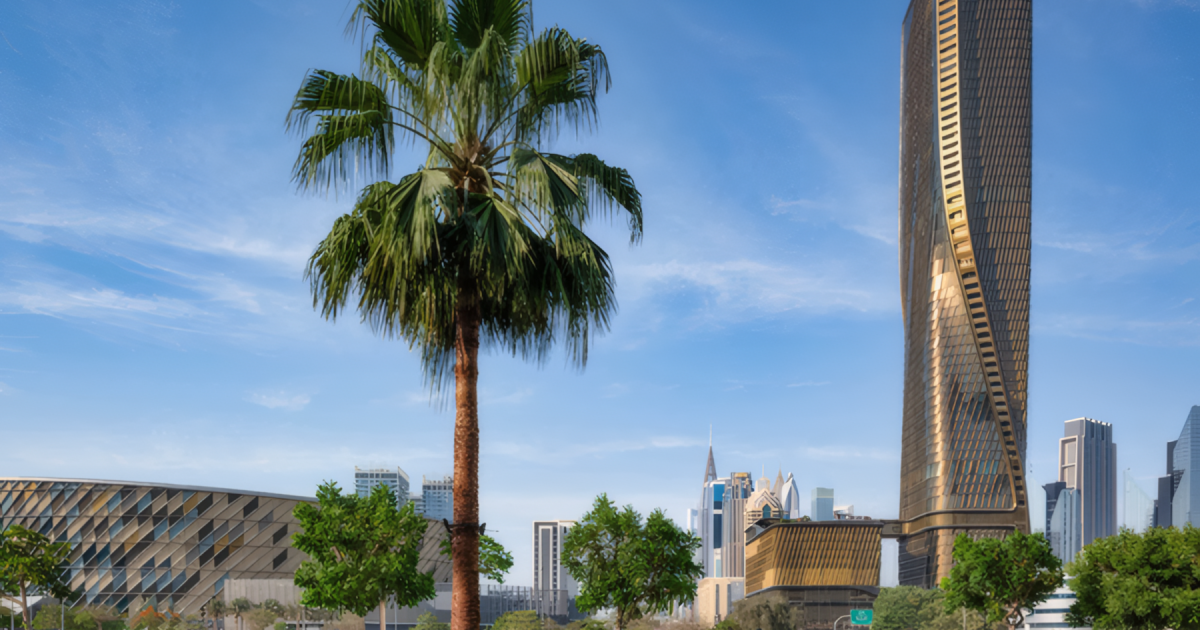
In a world dominated by glass rectangular towers, a recently completed supertall in Dubai is turning heads for all the right reasons. The Wasl Tower, designed by UNStudio, features a twisting form enveloped in thousands of individually sculpted terracotta fins. The fins are not merely decorative — they serve a functional purpose by shading and cooling the building's exterior in Dubai's intense desert heat, potentially reducing the building's energy demand significantly.

The project is a notable departure from the reflective glass curtain walls that define most contemporary skylines, signaling a possible return to passive environmental design strategies embedded within the building's architecture itself.
Maya Lin Connects Nature to Manhattan High-Rise
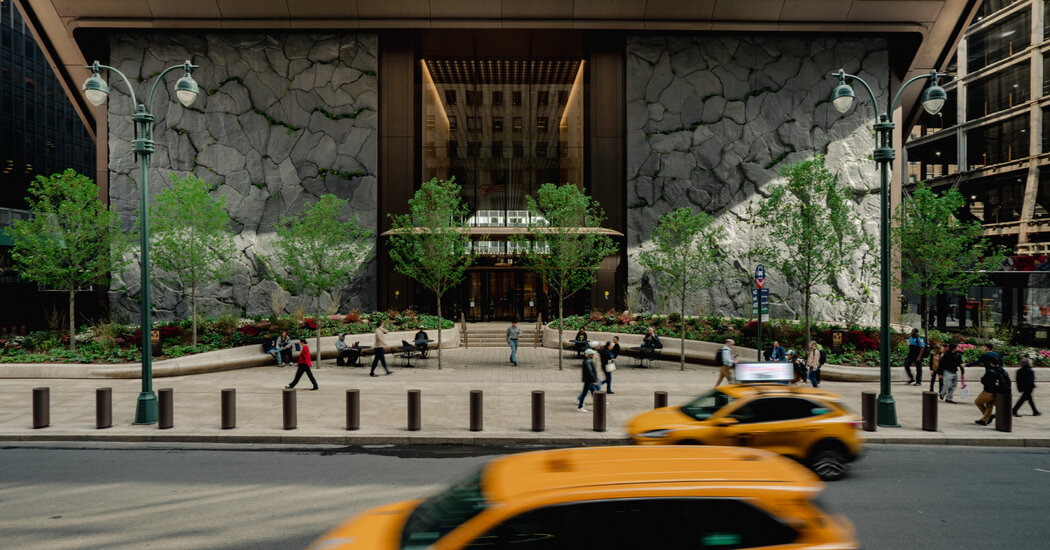
Celebrated artist and designer Maya Lin — best known for the Vietnam Veterans Memorial in Washington — has unveiled new nature-inspired works connected to a Manhattan skyscraper project, as well as a new commission in Chicago. Drawing on her lifelong engagement with the natural world, Lin's work brings an ecological sensibility to the urban built environment. The projects are part of an ongoing conversation in American architecture about integrating art, nature, and the city.

Design Spotlight
Wasl Tower: Passive Cooling Reimagined at Supertall Scale
The Wasl Tower by UNStudio deserves a closer look as an architectural statement about the future of skyscraper design. At its core, the project asks a simple but radical question: what if a tall building's form was shaped primarily by environmental performance rather than real estate maximization or visual branding?
The terracotta fins that cloak the tower are positioned and angled in ways that respond to Dubai's sun path and prevailing winds. Each fin casts shade on the glass surfaces behind it, reducing solar heat gain — one of the primary energy burdens in hot climates. The spiraling, twisting form of the tower also helps deflect wind loads, reducing structural demands while giving the building its signature silhouette.
UNStudio's approach revives lessons from vernacular Middle Eastern architecture — where thick walls, shaded courtyards, and wind towers were standard tools for passive climate control — and translates them into a 21st-century supertall context. The result is a building that feels rooted in its climate rather than imposed upon it, a quality that has become increasingly rare in global high-rise construction.
Sustainable Design
LEED v5 Pushes Boundaries on Decarbonization
The U.S. Green Building Council (USGBC) is advancing the architecture and construction industry's sustainability ambitions through LEED v5 — described by the organization as setting "a new standard for sustainable building." The evolution from previous LEED versions reflects an industry-wide pivot toward aggressive decarbonization targets, not just energy efficiency.
A notable deadline looms for the profession: registration for most LEED v4 and LEED v4.1 commercial rating systems closes on June 30, 2026, at 11:59 PM ET, accelerating the industry's migration to the newer, more demanding v5 framework.
Key themes emerging from recent industry gatherings include:
- Ultra-low operational greenhouse gas emissions as a core design target, embedded deeply into LEED v5 criteria
- Decarbonization strategies ranging from high-performance building envelopes to low-carbon material procurement
- Grid interactivity and peak load reduction, positioning buildings as active participants in the clean energy transition rather than passive consumers
- Renewable energy integration at the building and district scale
The industry is also grappling with what "green building" means in the context of embodied carbon — the carbon emitted during the manufacture, transport, and installation of building materials — not just operational energy use. This broader lifecycle accounting is shaping how architects specify materials and structure their designs from the earliest concept stages.

The push is significant: buildings account for a substantial share of global carbon emissions, and the construction sector has long been identified as one of the hardest to decarbonize. LEED v5's emphasis on whole-life carbon, renewable energy, and climate resilience represents the most ambitious regulatory and voluntary framework the industry has yet attempted to align around.
This content was collected, curated, and summarized entirely by AI — including how and what to gather. It may contain inaccuracies. Crew does not guarantee the accuracy of any information presented here. Always verify facts on your own before acting on them. Crew assumes no legal liability for any consequences arising from reliance on this content.
Powered by
