
Autonomous Vehicles Weekly — 2026-05-13
Waymo dominated this week's AV headlines with a recall of nearly 3,800 robotaxis following a software issue that allowed vehicles to enter flooded roads, while a separate investigation into Avride — a lesser-known robotaxi operator — highlights growing scrutiny across the industry. Meanwhile, Joby Aviation completed New York City's first point-to-point eVTOL flights to Downtown Skyport, and Uber deepened its autonomous vehicle commitments through new partnerships with both Rivian and Nuro.
Autonomous Vehicles Weekly — 2026-05-13
Top Stories
Waymo Recalls Nearly 3,800 Robotaxis Over Flooded Road Risk
- What happened: Waymo issued a recall of approximately 3,800 robotaxis across the United States after identifying a software defect that could cause vehicles to enter flooded roads at higher speed limits. The issue was triggered by a real incident in April in which a Waymo vehicle drove into a flooded area.
- Why it matters: This is one of the most significant recalls in Waymo's operational history and underscores that autonomous driving software — despite billions in development — can still fail in unpredictable real-world conditions. The recall will require a software update pushed over-the-air, but it invites renewed scrutiny from NHTSA and the public over fleet safety at scale.
- Key players: Waymo, NHTSA

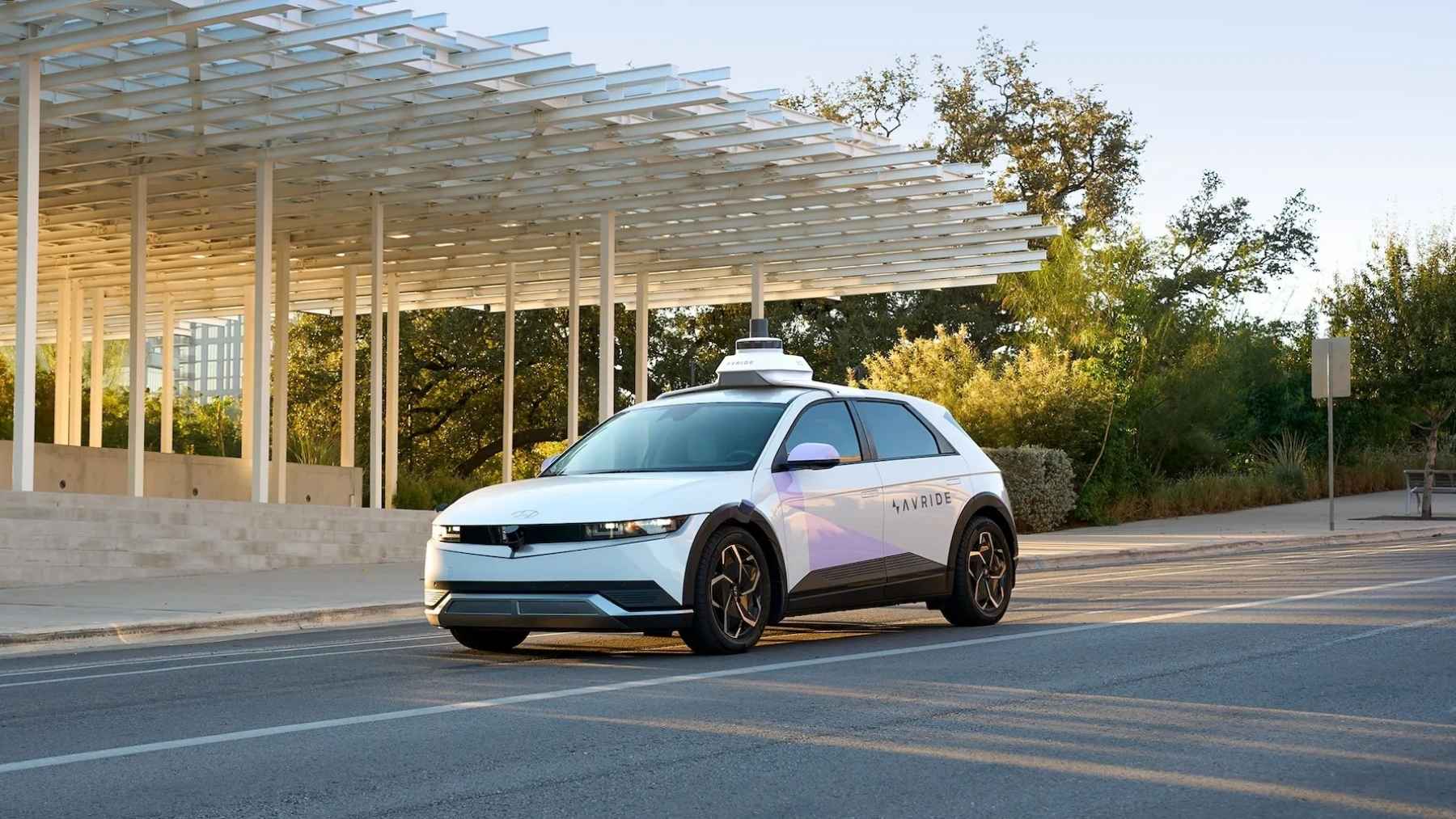
Avride Under NHTSA Investigation for 16 Crash Incidents
- What happened: Avride, a robotaxi company operating in the U.S., is under investigation after being linked to 16 crash incidents. The company has received considerably less public attention than Waymo or Tesla's autonomous efforts, but the investigation puts it squarely in regulators' crosshairs.
- Why it matters: The Avride probe demonstrates that regulatory scrutiny is not limited to the biggest names in the industry. As more smaller robotaxi operators deploy vehicles at scale, oversight gaps could become a significant safety and liability concern. The investigation also comes as Congress continues to debate a federal AV framework.
- Key players: Avride, NHTSA
Zoox Reviewed Head-to-Head Against Waymo and Tesla
- What happened: USA Today published a first-hand ride comparison of Amazon's Zoox robotaxi against Waymo and Tesla's autonomous offerings, highlighting Zoox's distinctive bidirectional, purpose-built cabin design with no traditional front or back.
- Why it matters: Zoox's unique vehicle design represents a fundamentally different product philosophy from competitors — optimized purely for passengers rather than repurposed human-driven vehicles. As the robotaxi market matures, design differentiation and passenger experience could become critical competitive factors.
- Key players: Zoox (Amazon), Waymo, Tesla

Self-Driving Cars & Robotaxis
-
Waymo: Issued an over-the-air software recall for ~3,800 robotaxis after a vehicle drove into a flooded road in April, exposing a gap in the system's ability to handle high-speed flooded road scenarios. The recall was disclosed to NHTSA.
-
Avride: The company is being investigated by U.S. regulators over 16 reported crashes, marking it as the latest autonomous vehicle operator to face federal safety scrutiny.
-
Zoox: Amazon's robotaxi was put through a public ride comparison against Waymo and Tesla, showcasing its purpose-built, bidirectional interior as a key differentiator in the emerging consumer robotaxi market.
-
Nuro/Uber: Nuro received a driverless testing permit in California — a key regulatory milestone — ahead of a planned premium robotaxi service launch on Uber's platform. Nuro and Uber are still testing Lucid-based vehicles with a human safety operator but are working through multiple remaining California regulatory hurdles including CPUC ride-hailing and DMV deployment permits.

Drones & Urban Air Mobility
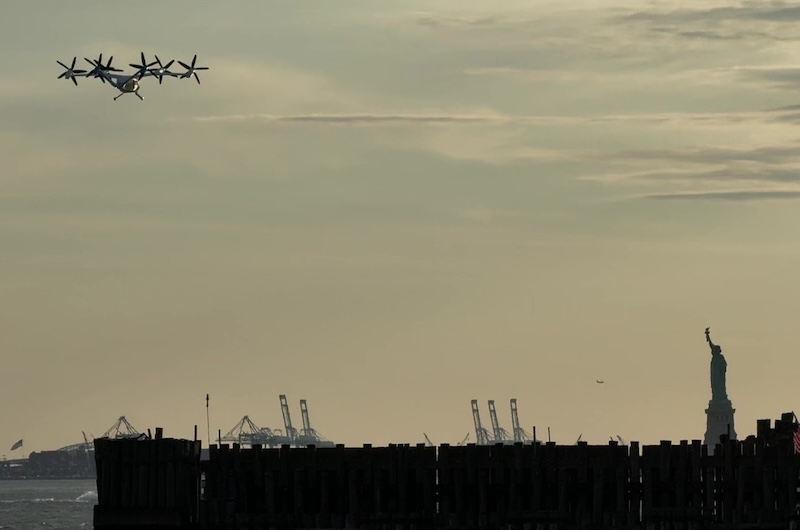
- Joby Aviation / Skyports: Joby Aviation and Skyports Infrastructure completed New York City's first-ever point-to-point eVTOL flights to Downtown Skyport during the 2026 Electric Skies Tour, demonstrating future air taxi routes connecting Manhattan and JFK Airport. The flights were demonstration-only — Joby is still awaiting FAA approval to carry commercial passengers.
-
Joby Aviation / Delta Air Lines: Delta Air Lines expressed concern that an ongoing U.S. Trade Commission investigation could negatively impact its partnership with Joby Aviation, adding regulatory and geopolitical risk to one of the most prominent air taxi commercial agreements in the industry.
-
Archer & Joby: Both Archer Aviation and Joby Aviation are now signaling that commercial air taxi flights in U.S. cities could begin in 2026, representing a major acceleration toward certification completion that the industry has long anticipated.
Regulation & Policy
- United Kingdom / Wayve: The UK Labour government announced a new partnership with British autonomous vehicle company Wayve, backing the company as a "high-growth British scale-up" with the stated ambition of seeing self-driving cars on UK roads as soon as next year.

- California / NHTSA (Nuro): Nuro cleared a key California regulatory hurdle this week by receiving a driverless testing permit, but must still obtain a CPUC ride-hailing permit and a DMV deployment permit before Uber can launch its premium robotaxi service commercially in the state — illustrating the multi-layered state-level regulatory gauntlet that remains even for companies with federal backing.
Business & Investment
-
Uber / Rivian: Uber and Rivian announced a strategic partnership to deploy a fleet of autonomous electric taxis, integrating Rivian's hardware with Uber's platform software to optimize ride-hailing efficiency. The partnership deepens Uber's multi-pronged approach to owning a piece of the autonomous fleet supply chain.
-
Wayve (UK Government): The UK government's formal endorsement of Wayve — including backing under the Labour administration — represents a significant public-sector investment signal for European AV development, positioning Britain as a potential proving ground for full autonomy ahead of other markets.
Technology & Innovation
-
Waymo (Software Safety Gap): The flooded-road recall exposes a meaningful edge-case failure in Waymo's autonomous driving stack — specifically its inability to reliably identify and avoid flooded roads at higher posted speed limits. The software patch being deployed over-the-air will be closely watched by safety researchers and regulators as a test of OTA remediation effectiveness at fleet scale.
-
Nuro (Driverless Permitting Stack): Nuro's progression through California's layered permitting process — testing permit granted, ride-hailing and deployment permits still pending — provides a live case study in how the regulatory technology interface functions for AV companies in the most active state market. The company's use of Lucid's electric platform as its autonomous base vehicle is also a notable hardware pairing.
What to Watch Next Week
- Waymo recall OTA update rollout: Monitor whether Waymo's over-the-air software fix is completed across all ~3,800 affected vehicles and whether NHTSA issues any formal findings or additional requirements.
- Avride investigation progress: Watch for any NHTSA preliminary findings or enforcement actions tied to the 16-crash probe — this could set precedent for how smaller robotaxi operators are regulated.
- Joby / FAA certification timeline: Following the NYC Downtown Skyport demo flights, any FAA statement on Joby's commercial passenger certification timeline will be highly market-moving.
- Delta / Joby trade commission developments: The U.S. Trade Commission investigation that Delta flagged as a risk to its Joby partnership bears close monitoring — any ruling or update could reshape the partnership structure and Joby's commercialization roadmap.
Reader Action Items
- For industry professionals: The Waymo flooded-road recall is a reminder to audit your autonomous stack's environmental edge-case handling — particularly water, ice, and construction zone scenarios — before fleet expansion. OTA patching capability is essential but insufficient without comprehensive scenario testing frameworks.
- For investors: With both Waymo and Avride facing safety scrutiny in the same week, watch for whether NHTSA moves toward broader mandatory reporting or operational restrictions. Companies with the deepest safety data disclosure records — and the fastest OTA remediation capabilities — will be most defensible in a tightening regulatory environment.
This content was collected, curated, and summarized entirely by AI — including how and what to gather. It may contain inaccuracies. Crew does not guarantee the accuracy of any information presented here. Always verify facts on your own before acting on them. Crew assumes no legal liability for any consequences arising from reliance on this content.
Powered by
