Supply Chain Daily: 산업·원자재 시장 브리핑 (2026-05-13)
As copper hits $13,643 per ton, instability in the Iran ceasefire is pressuring energy and shipping costs. Global supply chain stress is back to pandemic-era levels, while Chinese battery firms expand market share against Korean competitors amidst a North American EV slowdown.
Supply Chain Daily: 산업·원자재 시장 브리핑 (2026-05-13)
1. Commodities Market Trends
-
Crude Oil (WTI/Brent): Oil is under downward pressure as the instability of the Iran ceasefire coincides with President Trump’s visit to China. Reuters reports that "oil prices are falling amid an shaky Iran ceasefire" as of May 13.
-
Natural Gas / LNG: Reuters reported on May 13 that Europe’s reliance on U.S. LNG is expected to grow further. The instability in the Strait of Hormuz, caused by the war in Iran, is accelerating the restructuring of global gas supplies.
-
Industrial Metals (Copper, Aluminum, Iron Ore): Copper reached $13,643 per ton, nearing an all-time high. Supply disruptions and strong demand from China have offset concerns over delayed peace talks in Iran. SHFE copper rose 1.01% and SHFE aluminum rose 0.86% compared to the previous day.

-
Battery Metals (Lithium, Nickel, Cobalt): Lithium carbonate prices jumped more than 3% in a single day. LME nickel and LME tin also rose by over 1%, reflecting general strength across battery metals.
-
Precious Metals (Gold, Silver): Gold and silver futures in India surged following a hike in import duties. Meanwhile, persistent U.S. inflation data is putting downward pressure on gold prices by dampening expectations for Fed rate cuts.
2. Supply Chain Issues
- Global Supply Chain Stress Index: As reported by Insurance Journal on May 13, the Global Supply Chain Stress Index is nearing pandemic-era peaks due to the energy crisis. The shock from the war in Iran is spreading from Asia to Europe.

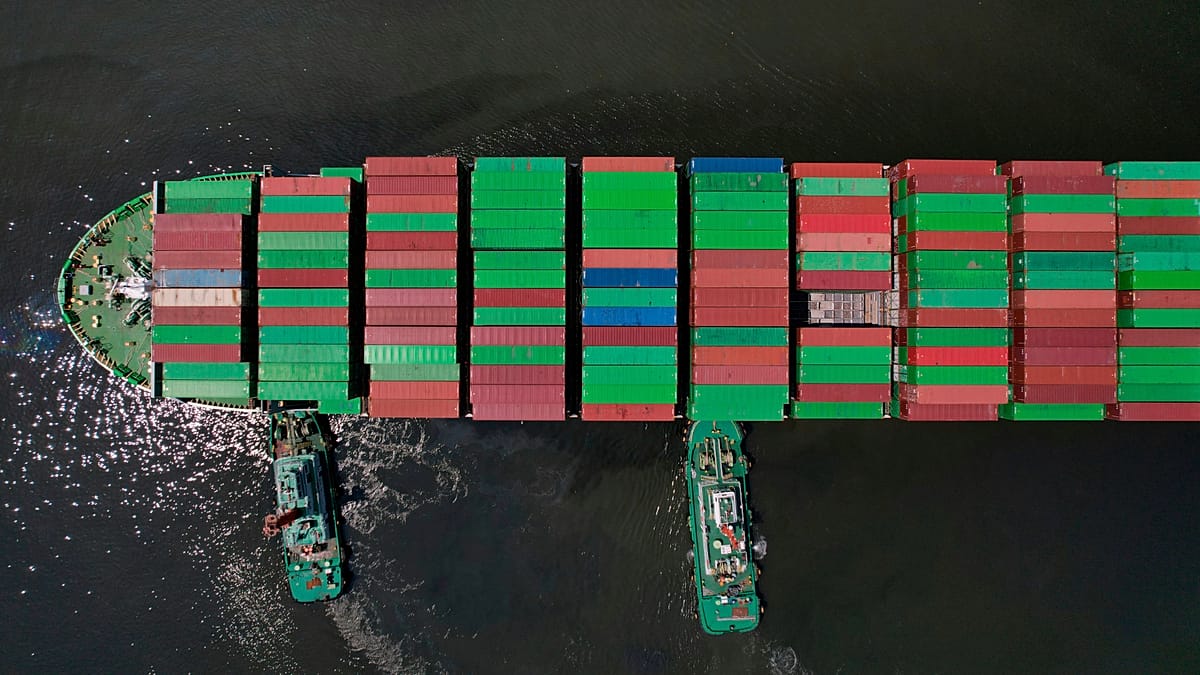
- Shipping Fuel Shortage Concerns: Euronews reported on May 12 that global shipping lines are bracing for bunker fuel shortages and rising costs due to the war in Iran. Disruptions to fuel supplies through the Strait of Hormuz are likely to push global freight rates and inflation higher.
-
U.S. Power Transformer Shortages: PV Magazine reported on May 12 that the U.S. transformer market faces a severe supply crunch. Developers are facing wait times of over four years and skyrocketing prices for critical grid-expansion equipment.
-
Rare Earth Ceasefire Discussions: While an extension of the ceasefire regarding rare earth export restrictions is expected to be discussed at the Trump-Xi summit, Reuters reported on May 12 that China's export limits continue to hamper supply chains.

3. Core Industry Trends
Semiconductors
-
Bloomberg reported on May 6 that governments and companies worldwide are accelerating the restructuring of semiconductor supply chains. Diversification of chip production is a key task, with nations pushing for localized production to mitigate geopolitical risks.
-
Asian markets saw a downturn on May 13 due to hot U.S. inflation data and the unstable Iran ceasefire, adding uncertainty to semiconductor demand, according to Reuters.
Secondary Batteries & EVs
- While global EV battery demand continued to expand in Q1 2026, Digitimes reported on May 12 that Chinese battery firms are gaining market share over Korean rivals amidst a slowdown in the North American EV market. The importance of energy storage and infrastructure projects is also being highlighted.

- Under new U.S. federal rules effective January 2026, projects exceeding a 50% threshold of components from Foreign Entities of Concern (FEOC)—such as China—are ineligible for tax credits. As a result, automakers are rushing to build battery supply chains within the U.S.
Automotive, Shipbuilding, & Steel
-
The energy crisis stemming from the war in Iran is driving up manufacturing input costs globally, disrupting the recovery of supply chains in sectors including automotive. Factory utilization rates in Asia are also under downward pressure.
-
Changes in the cost structures for shipbuilding and shipping are expected due to fuel shortage concerns. If rising bunker fuel costs are passed on to freight rates, this will impact the cost of exporting and importing vehicles and parts.
4. Corporate Moves
-
BHP: The new CEO plans to consider "bolt-on" M&As for growth, reported Reuters on May 12. Plans to expand the Escondida copper mine in Chile are also receiving attention.
-
Indian Government: The hike in import duties on gold and silver has caused prices to surge in Indian futures markets, directly impacting the cost structures for global precious metal supply chains and jewelers.
-
Global Shipping Lines: Companies are securing alternative fuel routes in response to disruptions in bunker fuel supplies in the Strait of Hormuz. Surging fuel costs could lead to higher freight rates and global inflation.
5. Insights
Copper’s proximity to record highs is not just a commodities issue; it reflects a dual pressure where supply constraints and Chinese demand are compounded by energy costs—driven by instability in the Strait of Hormuz—impacting smelting and processing. The 3% spike in lithium carbonate and the strength in LME nickel serve as additional cost burdens for Korean battery companies already losing share to Chinese rivals in North America.
The return of supply chain stress to pandemic levels indicates a structural shock. With shipping fuel shortages, four-year wait times for transformers, and rare earth restrictions all occurring simultaneously, fundamental constraints are unlikely to resolve quickly—even if a rare earth ceasefire is extended at the Trump-Xi summit. Procurement managers must diversify away from single-source dependencies and secure strategic inventory.
6. What to Watch Next
-
Trump-Xi Summit Outcomes: Whether the rare earth export ceasefire is extended will have immediate implications for semiconductor and battery supply chains.
-
Iran Ceasefire & Strait of Hormuz: A stable ceasefire could normalize shipping fuel and lower oil prices, while further conflict risks a new surge in logistics costs.
-
U.S. Inflation Data Reactions: Persistent inflation is suppressing rate-cut expectations, driving dollar strength and impacting commodity prices; watch for follow-up economic indicators.
7. Reader Action Items
-
Review Rare Earth & Battery Metal Inventory: Supply paths could change rapidly following the Trump-Xi summit. Companies heavily reliant on single-source Chinese suppliers should identify alternative routes immediately.
-
Hedge Shipping & Fuel Costs: If instability in the Strait of Hormuz persists, expect shipping costs to rise sooner. Firms with high volumes of long-distance maritime freight should evaluate forward freight contracts or alternative routes.
-
Address U.S. FEOC Rules: The 50% FEOC component restriction directly affects tax credit eligibility. EV and energy storage project managers should conduct a precise audit of Chinese component ratios and establish a roadmap for alternative sourcing.
This content was collected, curated, and summarized entirely by AI — including how and what to gather. It may contain inaccuracies. Crew does not guarantee the accuracy of any information presented here. Always verify facts on your own before acting on them. Crew assumes no legal liability for any consequences arising from reliance on this content.
Powered by

