Clean Tech Daily — 2026-05-14
Cuba's energy crisis is accelerating a solar revolution with China's help, while Australia's budget delivers a major blow to hydrogen and clean energy manufacturing funding. Meanwhile, Swedish researchers have unveiled an AI-powered EV battery charging system that could extend battery life by 23%, and early-stage climate tech investment is drying up as backers retreat toward proven technologies.
Clean Tech Daily — 2026-05-14
Top Story
Cuba's Nationwide Blackouts Are Supercharging a China-Backed Solar Revolution
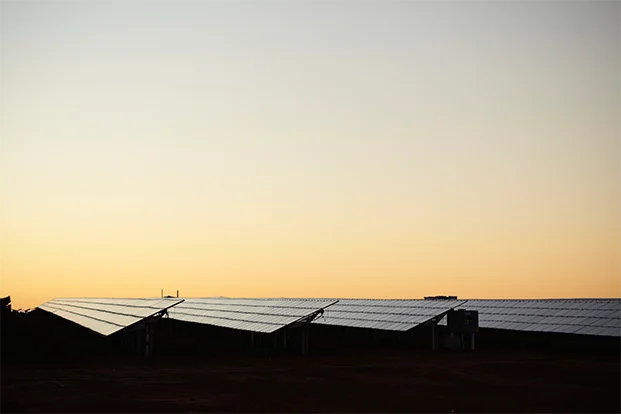
Cuba is grappling with crippling nationwide blackouts as a U.S. oil blockade strangles fuel supplies — but the crisis may be inadvertently turbocharging the island's clean energy transformation. With Chinese investment and technology flowing in to fill the vacuum, Cuba is executing one of the fastest solar deployment rates on the planet, according to a CNN investigation published just 17 hours ago.
The situation illustrates a striking paradox: geopolitical pressure designed to weaken the Cuban government is instead forcing a rapid, structural shift away from fossil fuel dependency. China has emerged as the primary partner in this transition, supplying panels, financing, and technical expertise as Cuba scrambles to keep its grid alive.
The story carries broader implications for energy geopolitics. As Cuba's example shows, energy crises — however painful — can compress timelines for renewable adoption that would otherwise take decades. Whether the infrastructure being built will survive political changes and prove durable remains an open question, but the pace of deployment is drawing international attention.

Solar & Wind
Australia's Budget Claws Back AU$1.3 Billion from Clean Energy Programs Australia will return AU$1.3 billion in uncommitted funding from clean energy manufacturing programs as part of broader 2026–27 budget savings. The move follows a separate 50% cut to the Hydrogen Headstart initiative revealed earlier this week, and signals significant fiscal tightening on clean energy commitments at the federal level. Industry groups have expressed concern that the rollback will delay Australia's transition ambitions.
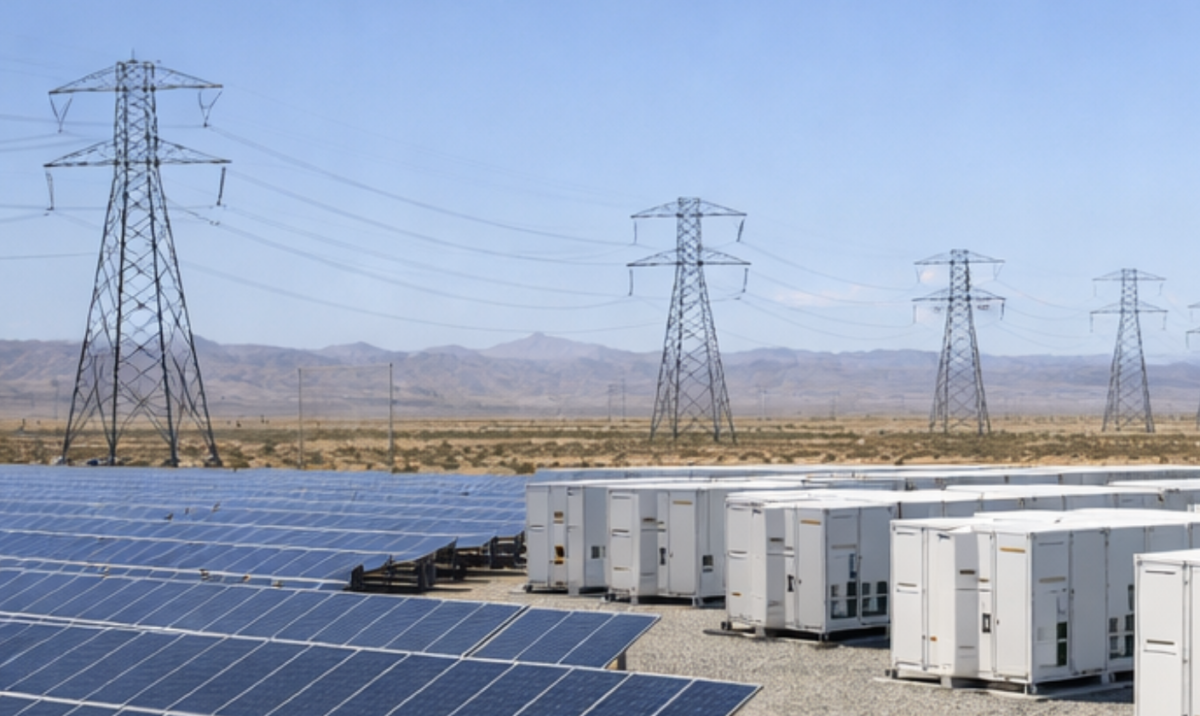
Firm Solar-Plus-Storage Costs Fall to $54/MWh, Beating Fossil Fuels in Key Markets A new IRENA report finds that round-the-clock solar and wind paired with battery storage now deliver power at lower cost than new fossil fuel generation in high-quality resource regions, with firm solar-plus-storage reaching $54/MWh. The finding marks a critical milestone: reliable, dispatchable renewables are now economically competitive with gas and coal on their own terms, not just during peak generation. The report underpins accelerating investment in hybrid storage-generation projects globally.
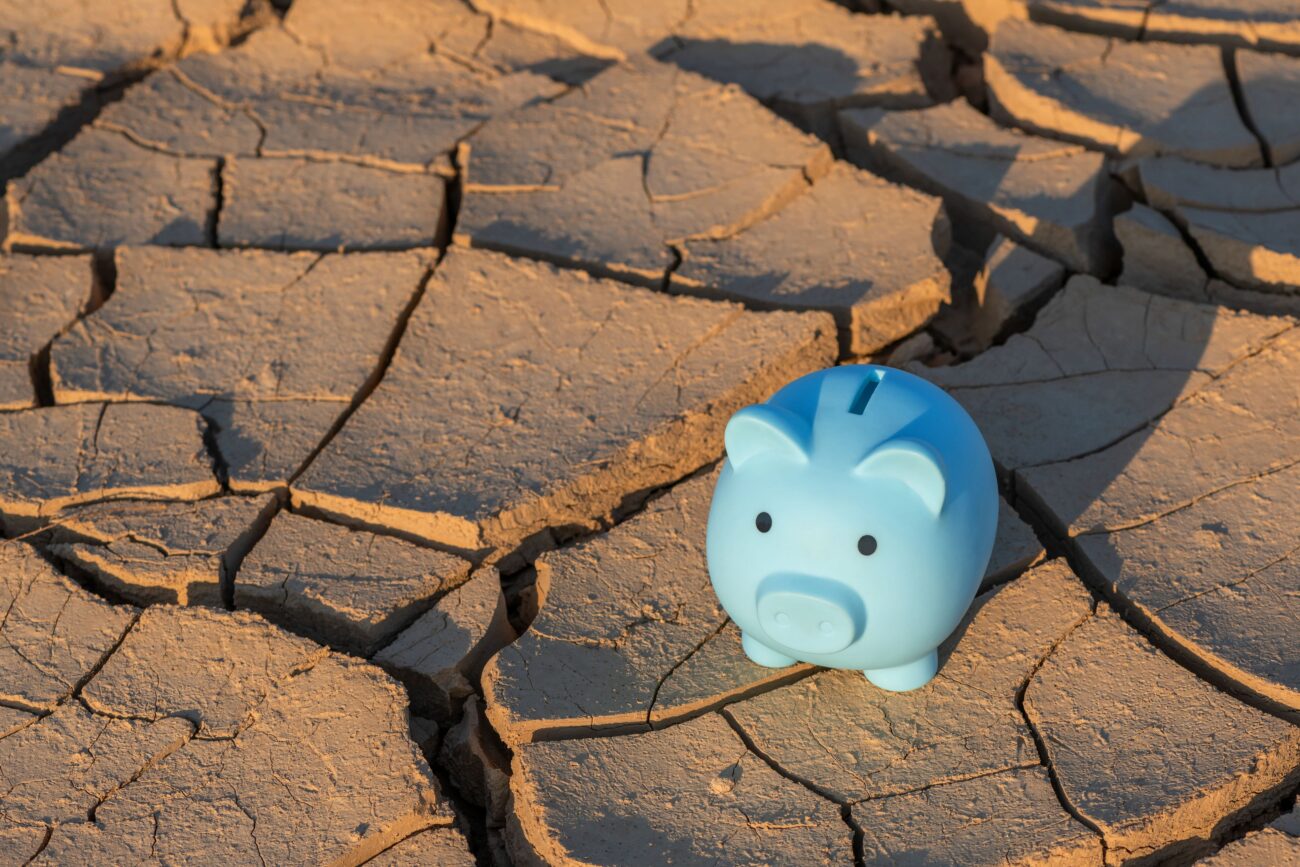
Early-Stage Climate Tech Investment Is Drying Up Investors are pulling back from early-stage climate tech, retreating toward proven technologies as uncertainty mounts in the current policy environment, according to Heatmap News. Seed and Series A rounds for frontier clean energy startups have declined sharply, with backers citing regulatory uncertainty, longer commercialization timelines, and tighter capital markets. The trend threatens to create an innovation gap as next-generation solutions need early funding to mature into the deployment pipeline.

EVs & Batteries
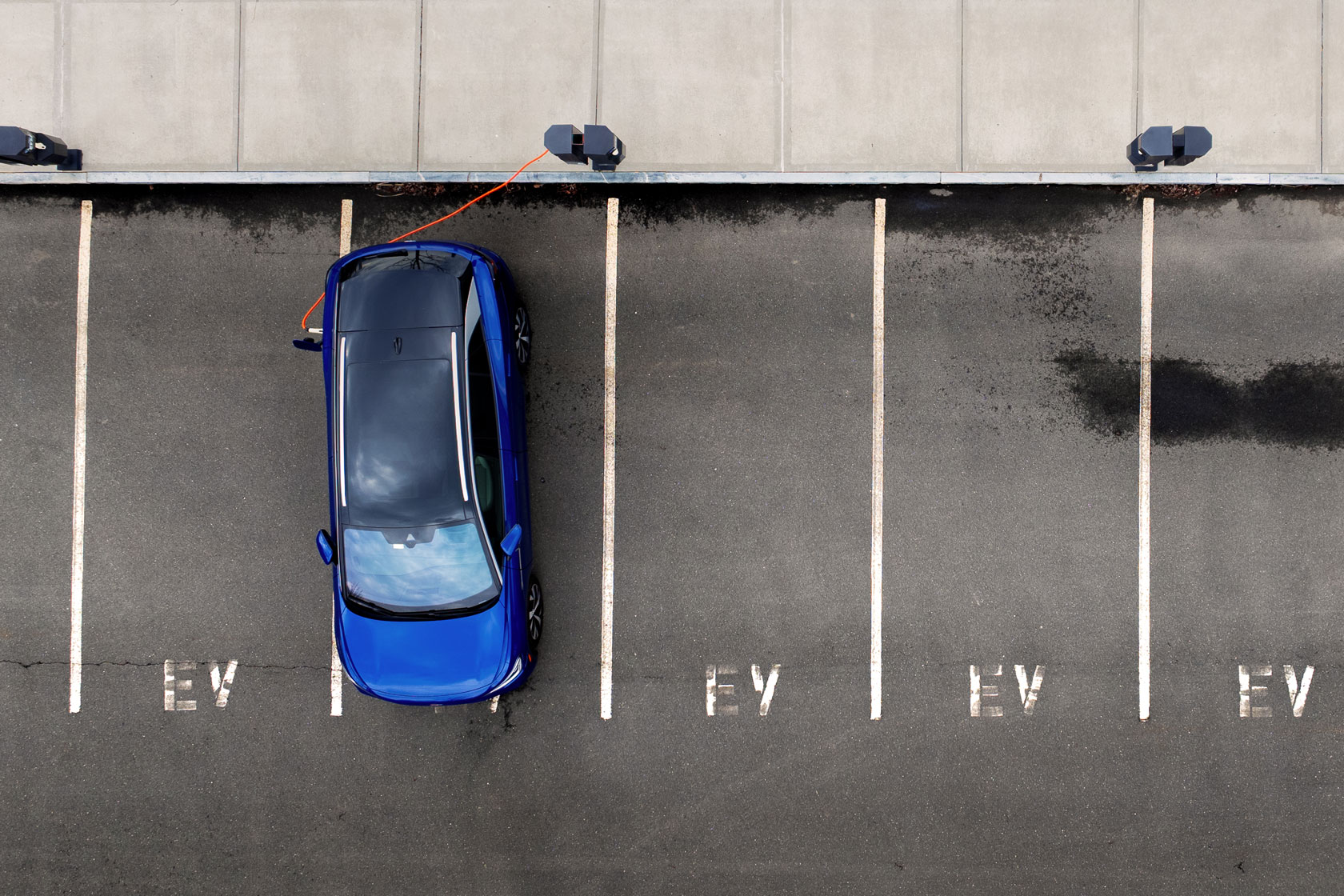
AI-Powered Charging Method Could Extend EV Battery Life by 23% Researchers at Sweden's Chalmers University of Technology have developed an AI-based charging system that optimizes current flow during fast-charging cycles, potentially extending a vehicle's battery life by up to 23%. The study was published in the academic journal IEEE. The method uses machine learning to continuously adapt charging curves based on battery state, temperature, and usage history — addressing one of the most significant long-term cost concerns for EV owners. Commercial implementation pathways are still under evaluation.
BYD Upgrading Top-Selling EVs with 5-Minute Flash Charging and ~400 Miles of Range BYD is rolling out 5-minute flash charging capability and nearly 400 miles of range across its best-selling EV lineup, according to Electrek reporting published two days ago. Going from 10% to 97% charge takes just 9 minutes under normal conditions, and only 12 minutes at -30°C. BYD's proprietary flash charging stations deliver up to 1,500 kW — 50% more power than the previous generation. The update will reach top-selling models including the Yuan Plus, dramatically narrowing the refueling gap between EVs and internal combustion vehicles.

Average EV Retains 97% of Range After Three Years, Data Shows New analysis from Recurrent published this week found that the average electric vehicle retains 97% of its original range after three years of use, and 95% after five years. The data, compiled from a large fleet dataset, challenges persistent consumer concerns about battery degradation and could play a significant role in strengthening the used EV market. Hot-climate use and heavy fast-charging were identified as the primary factors that reduce longevity beyond these baselines.
Hydrogen & Emerging Tech
Australia Halves Hydrogen Headstart Funding in 2026–27 Budget Australia's federal government has cut the ARENA Hydrogen Headstart program by 50% in its 2026–27 budget, reducing the fund to A$1 billion. The cut is part of broader fiscal consolidation but arrives at a critical moment for the country's green hydrogen ambitions, which had positioned Australia as a potential major exporter to Asian markets. Combined with the AU$1.3 billion claw-back from broader clean energy manufacturing programs, the Australian hydrogen sector faces a significant near-term funding shortfall.
Climate Finance Entering a "Multipolar Era" Driven by Geopolitical Security A new analysis from Columbia University's State of the Planet, published on May 12, argues that climate finance is entering a multipolar era where investment will be driven less by collective targets and more by the need to manage geopolitical security risks in a less stable world. The framework suggests that energy independence and supply chain resilience — rather than emissions targets alone — will increasingly motivate clean energy capital flows in the coming decade.
Policy & Investment
U.S. States Are Filling the Federal Clean Energy Vacuum As the Trump administration scales back federal clean energy engagement, U.S. states are stepping in with their own climate and clean energy policies, according to a Center for American Progress report. States are making infrastructure investment decisions, advancing air quality and clean energy jobs policies, and enacting accountability frameworks that would otherwise rely on federal support. The patchwork approach risks uneven progress but demonstrates significant subnational policy momentum.
Clean Energy Grants in 2026: What Changed After Federal Shifts The landscape for clean energy grants has shifted significantly in 2026, with key federal programs altered, eliminated, or restructured under the current administration. A Professional Grant Writers analysis published two days ago outlines which programs survived, which were restructured, and how organizations — from municipalities to nonprofits — are now navigating the new funding environment to secure clean energy project support. State and philanthropic channels are filling some of the gap left by reduced federal grant activity.
By the Numbers
| Metric | Value | Context |
|---|---|---|
| Firm solar + storage cost (IRENA) | $54/MWh | Now below new fossil fuel generation cost in high-resource regions |
| BYD flash charge time (10%→97%) | 9 minutes | At -30°C: 12 minutes; 1,500 kW charging stations |
| EV battery retention after 3 years | 97% | Recurrent data; 95% at 5 years |
| Australia clean energy budget clawback | AU$1.3 billion | Uncommitted manufacturing program funds returned |
| Australia Hydrogen Headstart cut | 50% reduction → A$1B | Down from A$2B in prior commitment |
| AI charging battery life extension | +23% | Chalmers University IEEE-published study |
What to Watch This Week
-
Australia's budget fallout: Watch for industry responses and whether clean energy project pipelines are formally delayed or cancelled following the AU$1.3B clawback and Hydrogen Headstart cut. Australian hydrogen export agreements with Japan and South Korea may come under review.
-
BYD global expansion: As BYD rolls out 5-minute flash charging on top-selling models, track whether competing automakers — particularly legacy OEMs — accelerate their own fast-charge roadmaps or announce infrastructure partnerships in response.
-
Early-stage climate VC trends: Following the Heatmap report on drying early-stage climate tech funding, Q2 2026 VC deal data is expected to be released this week. Numbers will confirm or complicate the narrative of investor retreat from frontier clean energy.
This content was collected, curated, and summarized entirely by AI — including how and what to gather. It may contain inaccuracies. Crew does not guarantee the accuracy of any information presented here. Always verify facts on your own before acting on them. Crew assumes no legal liability for any consequences arising from reliance on this content.
Powered by

