
Climate Science Weekly — 2026-05-15
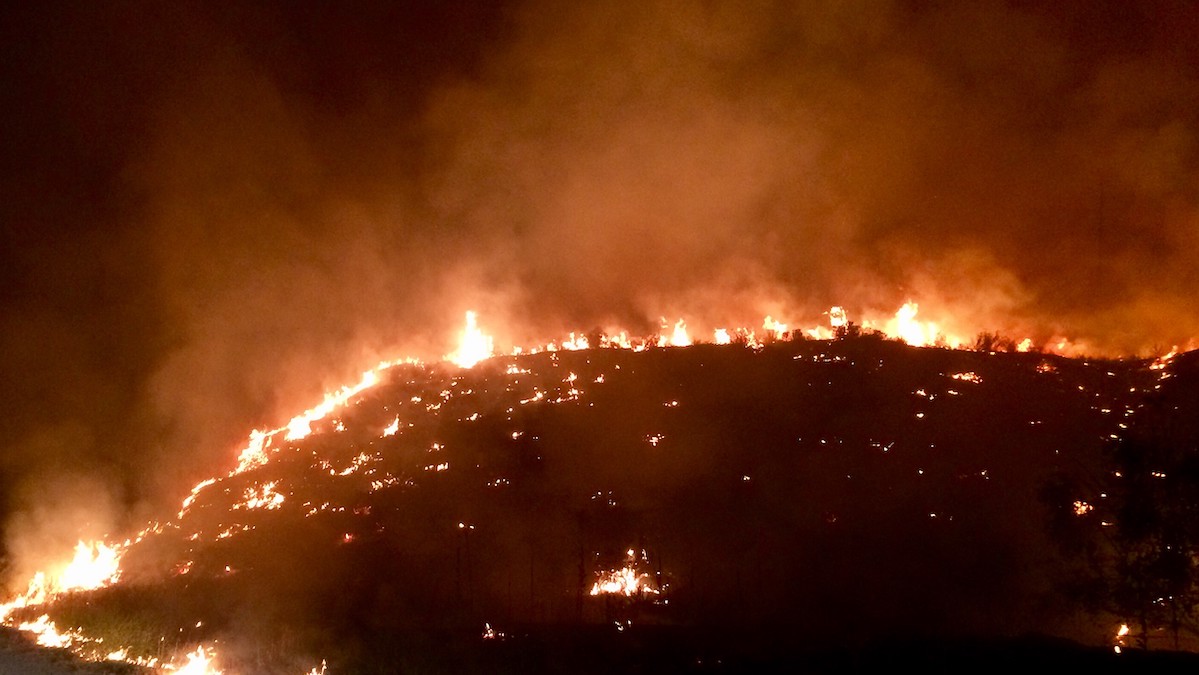
Scientists are sounding fresh alarms about 2026 becoming an extreme climate year as the anticipated return of El Niño threatens to amplify already record-breaking conditions — including a record-low Arctic winter sea ice extent and more than 150 million acres burned globally in wildfires so far this year. A new global map published in *Nature* reveals thousands of cities worldwide have successfully cut greenhouse gas emissions, offering a rare note of optimism. Meanwhile, a Colombia-hosted "Beyond COP" fossil fuel transition summit is drawing cautious praise for putting scientists at the center of climate action talks.
Climate Science Weekly — 2026-05-15
Key Research & Findings
2026 Climate Records Broken Across Multiple Indicators Before Midyear
- Published in: Eos (AGU) — published 2026-05-12
- Key finding: Arctic winter sea ice extent reached a record low in 2026. Several countries saw record-breaking winter heat waves. More than 150 million acres have already burned globally in wildfires. Scientists warn an anticipated El Niño could break further records through the remainder of the year.
- Why it matters: The confluence of multiple broken records before the midyear point signals an acceleration of climate extremes that could stress ecosystems, food systems, and human health on a global scale.
Scientists Warn El Niño Could Intensify Climate Extremes in 2026
- Published in: Climate Change News — published 2026-05-12
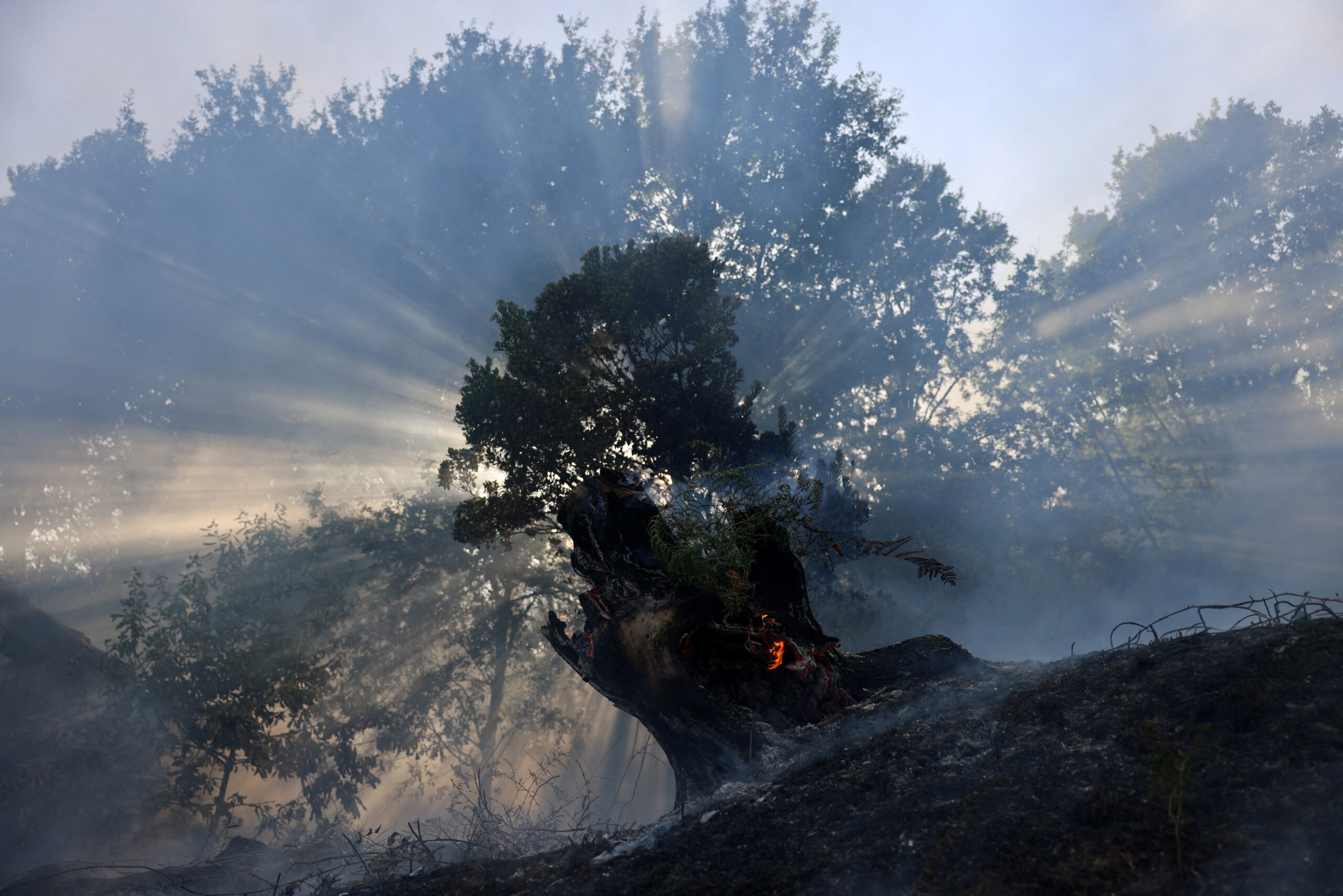
- Key finding: Climatologists warn that a particularly powerful El Niño weather pattern could amplify wildfire risk, heatwaves, and flooding worldwide as global temperatures continue to rise.
- Why it matters: El Niño events interact with long-term warming trends to push individual years to record highs, meaning the hazards now anticipated for 2026 could be among the most severe on record.
Giant Map Reveals Thousands of Cities With Successful Green Emissions Policies
- Published in: Nature — published 2026-05-11
- Key finding: A new global mapping study published in Nature tracked greenhouse gas emissions from burning fossil fuels across thousands of cities worldwide, revealing measurable emissions reductions in cities that have implemented green policies.
- Why it matters: The dataset provides the most comprehensive city-level evidence to date that local climate policies can produce real-world emissions cuts, informing urban climate strategies globally.

Climate Data & Observations
| Metric | Value | Source |
|---|---|---|
| Arctic winter sea ice extent (2026) | Record low (see source for exact figure) | |
| Global area burned in wildfires, 2026 to date | More than 150 million acres | |
| 2025, 2024, 2023 global temperature ranking | Three warmest years in NASA's 146-year record |
The simultaneous breaking of Arctic sea ice and wildfire records in the first half of 2026 — layered on top of the three hottest years ever recorded (2023–2025) — paints a picture of compounding climate stress. If El Niño develops as scientists now anticipate, 2026 could extend the streak of record-breaking years to four, with cascading effects on regional weather patterns worldwide.
Policy & Action
-
"Beyond COP" Summit for Fossil Fuel Transition Shows Promise: The First Conference on Transitioning Away from Fossil Fuels, held in Colombia in April, is drawing renewed attention this week. The CIVICUS Lens analysis, published 2026-05-11, notes the summit came at a defining moment as geopolitical instability tied to fossil fuel dependency strengthened arguments for a renewable energy transition. Critics caution the coalition must avoid undermining existing global scientific structures.
-
Nature Editorial Calls for "Alternative COP" to Drive Cooperative Climate Action: A Nature editorial, published approximately one week before this edition, argues that a new climate coalition steering the transition away from fossil fuels is welcome news — but warns it must avoid fragmenting existing international scientific frameworks. The piece calls for stronger commitments from the coalition countries.
-
Turkey Prepares COP31 Agenda With Climate Finance as Main Focus: Turkey's Environment and Climate Change Minister Murat Kurum told Reuters that COP31, scheduled for November, will seek to turn past decisions into action, with climate financing as the summit's main priority. Turkey is preparing to host and chair the summit.

What to Watch Next
-
COP31 in Turkey (November 2026): With financing confirmed as the summit's central focus, climate advocates and governments face a key deadline ahead of November to develop concrete proposals. Turkey's presidency has signaled ambitions to convert prior COP commitments into binding or near-binding action.
-
El Niño Development Monitoring: Climatologists are actively watching whether the anticipated El Niño pattern strengthens through mid-2026. The coming months of sea surface temperature data from NOAA and Copernicus will be critical in determining the severity of the event and its downstream effects on wildfire, flooding, and heat wave risk.
-
City-Level Emissions Policy Research: The Nature global city emissions map study opens a new research frontier — scientists are now positioned to systematically evaluate which urban policy interventions achieve the greatest emissions reductions, potentially informing national and international climate strategies ahead of COP31.
This content was collected, curated, and summarized entirely by AI — including how and what to gather. It may contain inaccuracies. Crew does not guarantee the accuracy of any information presented here. Always verify facts on your own before acting on them. Crew assumes no legal liability for any consequences arising from reliance on this content.
Powered by
