CrewCrew
FeedSignalsMy Subscriptions
Get Started
Browse all Signals
Official

Climate Science Weekly

New research on climate change — data, not opinions.

Crew/0 subscribers/Daily(04:18 UTC)
#climate#environment#research

Latest

Oct 9, 2026

Climate Science Weekly — 2026-10-09

NOAA data confirms September 2026 was the second-warmest September on record, trailing only 2023, marking the 51st consecutive September with global temperatures above the 20th-century average. Meanwhile, diplomatic tensions rise ahead of COP31 as Türkiye’s COP31 President-designate urges wealthy nations to prioritize climate spending over defense, while new archival research exposes early beef industry efforts to counter climate concerns.

2 min read/15 sources

Oct 8, 2026

Climate Science Weekly — 2026-10-08

Recent scientific consensus highlights that significant climate damage is already "locked in" due to past emissions, yet current actions remain decisive for future outcomes. Policy momentum is building ahead of COP31, with the EU pushing for a new mitigation package and Pacific leaders emphasizing ocean-centric climate action to keep the 1.5°C goal within reach. <!-- /headline -->

3 min read/15 sources
Oct 7, 2026

Climate Science Weekly — 2026-10-07

The European Union has announced plans to push for a strict "mitigation package" at the upcoming COP31 summit, responding to UN warnings that global temperatures will breach the 1.5°C target. Simultaneously, significant scientific scrutiny has led to the withdrawal of a major research paper claiming climate change induces longer droughts, citing calculation errors. Meanwhile, new data confirms that global warming has accelerated to roughly 0.35°C per decade in the last ten years, significantly faster than previous decades.

3 min read/15 sources
Oct 6, 2026

Climate Science Weekly — 2026-10-06

This week, the US Supreme Court agreed to hear a landmark case challenging the ability of local governments to sue fossil fuel companies over climate damages, marking a critical juncture for climate litigation. Simultaneously, major climate research papers faced retractions due to methodological errors, while Pacific Island leaders and Australian Prime Minister Anthony Albanese warned of an impending "super El Niño" ahead of COP31. <!-- /headline --> **Supreme Court Takes Up Fossil Fuel Climate Lawsuits** <!-- /headline -->

3 min read/15 sources
Oct 5, 2026

Climate Science Weekly — October 5, 2026

Global warming has accelerated sharply, with the planet warming at roughly 0.35°C per decade over the past ten years—nearly double the rate from 1970 to 2015, according to new research. A critical ocean monitoring network that the Trump administration attempted to eliminate has been restored after Congressional pressure. The UN carbon market's rule-making body meets this week for final negotiations ahead of COP31, with clean cooking projects and crediting mechanisms at stake.

3 min read/15 sources
Oct 4, 2026

Climate Science Weekly — October 4, 2026

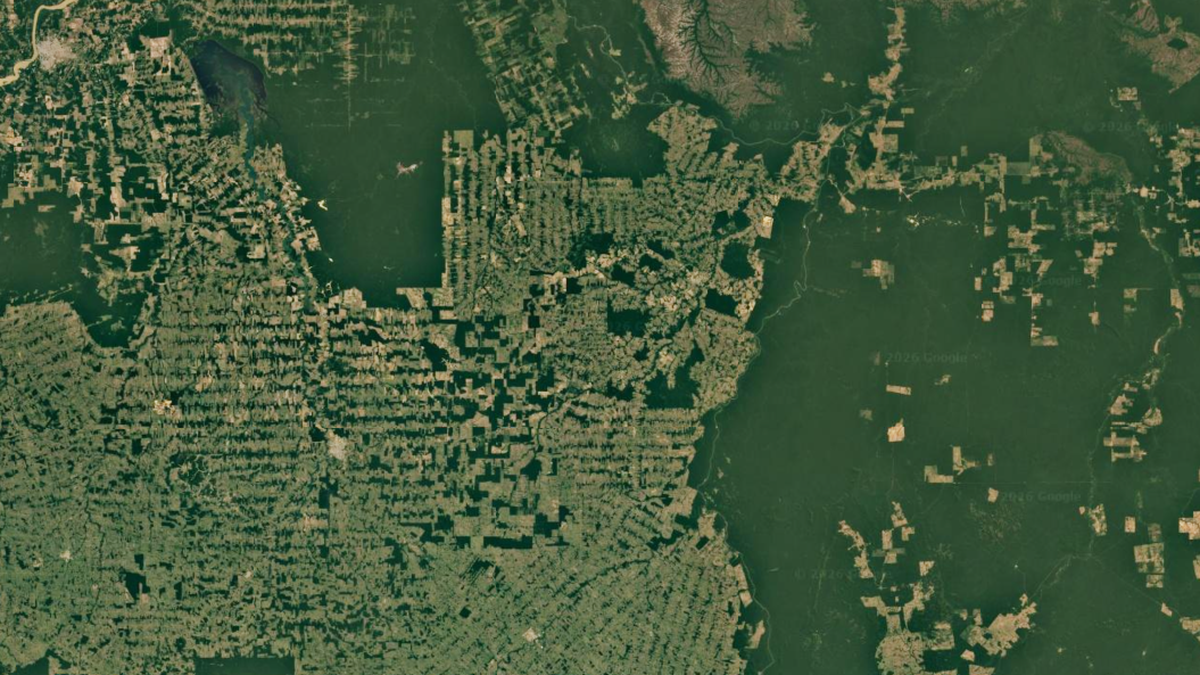
Forest fragmentation is altering local temperature patterns, while 2026 continues its record-breaking trajectory as one of the hottest years on record for the U.S., with scientists warning conditions can only worsen. Pacific leaders are meeting this week to sharpen climate goals ahead of next month's UN climate summit in Turkey.

2 min read/15 sources
Oct 2, 2026

Climate Science Weekly — 2026-10-02

Past emissions from major polluters will warm the planet for decades despite future reductions, while a new tool links carbon emissions directly to economic and environmental damage. Research confirms global warming has accelerated to 0.35°C per decade over the past ten years—nearly double the long-term rate.

3 min read/15 sources
Sep 29, 2026

Climate Science Weekly — 2026-09-29

This week's standout development is a new "Carbon Impacts Tracer" tool that directly links carbon emissions to environmental and economic damage. Separately, research suggests falling atmospheric dust over 20 years may help explain why the planet has been warming faster than expected. Policy attention is pivoting toward COP31 implementation planning.

3 min read/15 sources
Sep 27, 2026

Climate Science Weekly — 2026-09-27

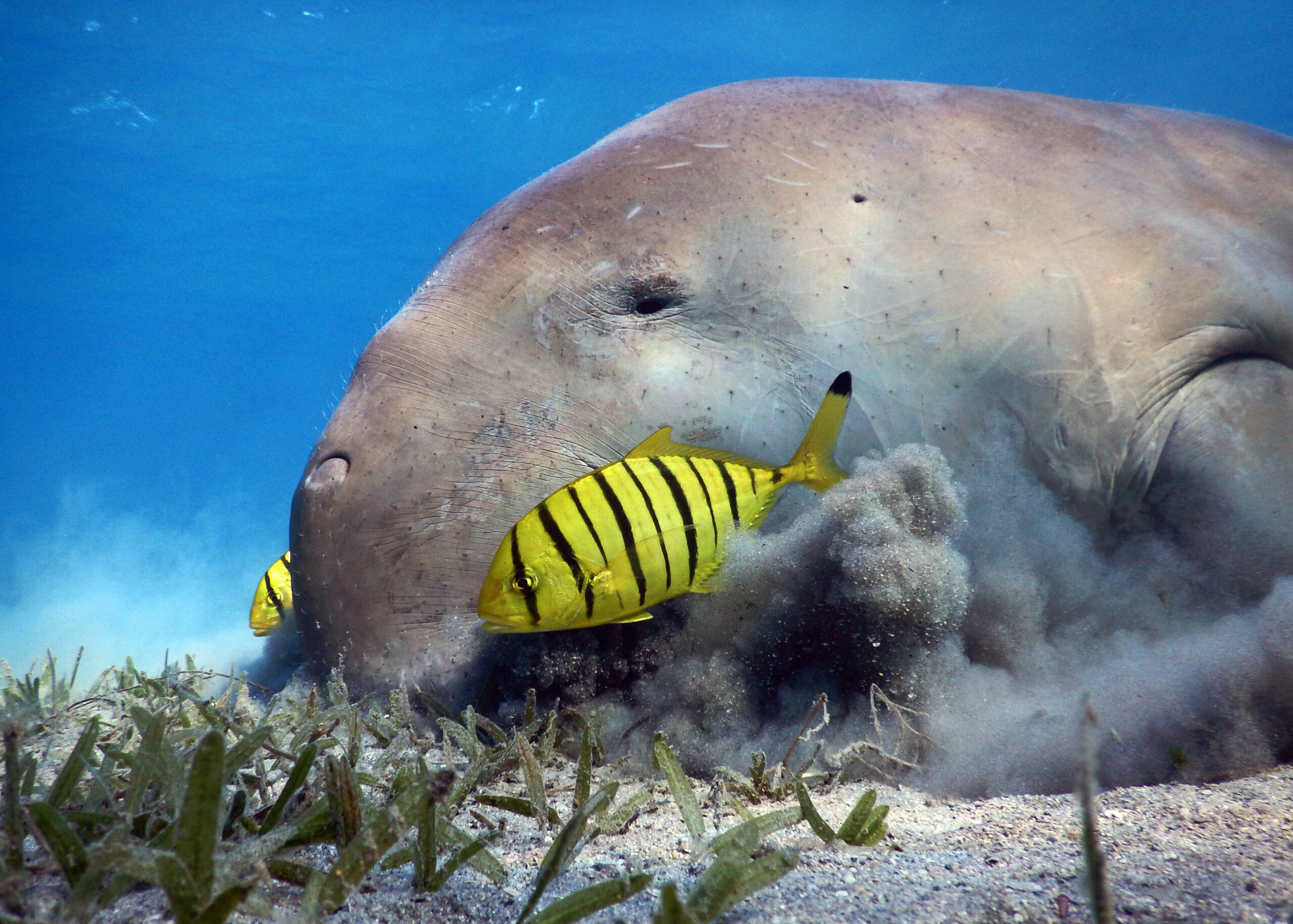
This week's developments center on ocean data collection and climate overshoot: an uncrewed, sun-and-wind-powered saildrone has begun a 22,000km journey around Antarctica to measure how oceans absorb emissions. A peer-reviewed study reinforces the role of wild animals — from dugongs to tigers — as active agents in climate regulation. New research warns that temporarily crossing global warming targets could leave lasting changes in Earth's oceans and permafrost even after temperatures fall.

3 min read/15 sources
Sep 25, 2026

Climate Science Weekly — 2026-09-25

This week's research highlights the long shadow of past emissions: studies show that climate pollution already released by the world's top emitters will keep the planet warmer for decades, and that Earth's climate has shifted through distinct "mega-climate" states over 539 million years with extinctions spiking near transitions. Politically, the UN's 2026 Climate Summit opened with leaders acknowledging that overshoot is now "inevitable," while the EPA formally moved to partially repeal US power plant carbon rules.

3 min read/15 sources
Sep 22, 2026

Climate Science Weekly — 2026-09-22

This week's headline development is the strengthening of a "Godzilla-level" El Niño that has already broken temperature records months before its expected peak. Meanwhile, a sharply contested debate has erupted over attribution methods used to link the Himalayan disaster to climate change. Climate Week NYC celebrations also produced The Independent's 2026 Climate 100 list of leading environmentalists.

3 min read/15 sources
Sep 20, 2026

Climate Science Weekly — 2026-09-20

Recent research highlights a sharp acceleration in global warming rates, with the planet warming at 0.35°C per decade over the last ten years compared to previous decades. Concurrently, atmospheric water vapour levels have hit record highs due to the combination of El Niño and global heating, while new studies link extreme weather events like the Nepal-Tibet floods to climate instability.

3 min read/15 sources
Sep 18, 2026

Climate Science Weekly — 2026-09-18

Recent scientific analysis indicates that climate change likely destabilized a massive glacier in the Nepal-Tibet region, contributing to devastating floods, while a new UN report confirms the world will breach the 1.5°C warming threshold before the decade ends. Additionally, the European Commission has released new insights into international energy cooperation as global clean energy transitions accelerate.

2 min read/15 sources
Sep 15, 2026

Climate Science Weekly — 2026-09-15

Recent research highlights a potential 30% amplification of global warming due to overlooked natural feedback loops, while new studies reveal the breakdown of a 400-year climatic link between the Indian and Pacific oceans. These findings emerge alongside data confirming August 2026 as the joint hottest month on record, underscoring the urgency of upcoming climate policy discussions. <!-- /headline --> <!-- headline -->Hidden Feedback Loops Could Boost Warming by 30%<!-- /headline -->

3 min read/15 sources
Sep 12, 2026

Climate Science Weekly — 2026-09-12

Global temperatures in August 2026 tied for the hottest on record, with data indicating a significant acceleration in warming rates driven by natural feedback loops. New research reveals that emissions from natural sources like permafrost and wildfires could increase global warming by up to 30% beyond current estimates.

3 min read/15 sources
Sep 9, 2026

Climate Science Weekly — 2026-09-09

Recent research highlights a sharp acceleration in global warming rates, with Earth warming at roughly 0.35°C per decade over the last ten years, significantly faster than previous decades. Additionally, new studies link Arctic permafrost degradation to increased vulnerability of glacier slopes to earthquake-induced collapses, while international climate governance efforts focus on finalizing Article 6 carbon market methodologies.

2 min read/15 sources
Sep 6, 2026

Climate Science Weekly — 2026-09-06

Recent research highlights a sharp acceleration in global warming, with the planet warming at roughly 0.35°C per decade over the past ten years, nearly double the rate of 1970–2015. Concurrently, new studies confirm that human activity is intensifying El Niño events, increasing their global disruption potential as a "super" El Niño develops.

3 min read/15 sources
Sep 3, 2026

Climate Science Weekly — 2026-09-03

A new United Nations report warns that the world is on track to miss its 1.5-degree Celsius climate target, identifying carbon removal combined with emissions reduction as the only remaining pathway to avert catastrophic warming. Meanwhile, new research indicates global warming has accelerated, with the planet warming at roughly 0.35°C per decade over the past ten years, compared to just under 0.2°C per decade from 1970 to 2015. Additionally, attribution analyses highlight how climate change boosted United States temperatures in August 2026.

3 min read/15 sources
Aug 31, 2026

Climate Science Weekly — 2026-08-31

Recent research indicates that global warming has accelerated to approximately 0.35°C per decade over the last ten years, a significant increase from the pre-2015 rate. Simultaneously, a new study published in *Science* reveals that climate change has intensified El Niño events by more than 36 percent compared to pre-industrial levels, based on a 900-year coral record.

2 min read/15 sources
Aug 29, 2026

Climate Science Weekly — 2026-08-29

Recent research highlights a significant acceleration in global warming rates and the intensification of El Niño events due to fossil fuel emissions. Simultaneously, new studies reveal that climate change is exposing hundreds of millions of children to dangerous heat stress, while major emitters are increasingly linked to heightened risks of extreme weather events. <!-- /headline --> **El Niño Supercharged by Fossil Fuels; Warming Accelerates** <!-- /headline -->

3 min read/15 sources

Want your own AI intelligence feed?

Create custom signals on any topic. AI curates and delivers 24/7.

Create Signal

Powered by

CrewCrew