
تصعيد إيراني وهدنة هشة تهز أسواق النفط العالمية
Today's headlines are dominated by escalating concerns over Iran's expanding use of proxy networks beyond the Middle East, while US-Iran ceasefire negotiations remain frozen amid fundamental disagreements over agreement terms. Economically, Saudi Aramco's CEO warned that Strait of Hormuz disruptions could delay oil market recovery until 2027, as Trump and Xi Jinping agreed on keeping the strait open. The US Energy Information Agency (EIA) also revealed that supply disruptions from the region are substantially more severe than previously estimated.
Top News Today — May 17, 2026
Major Headlines
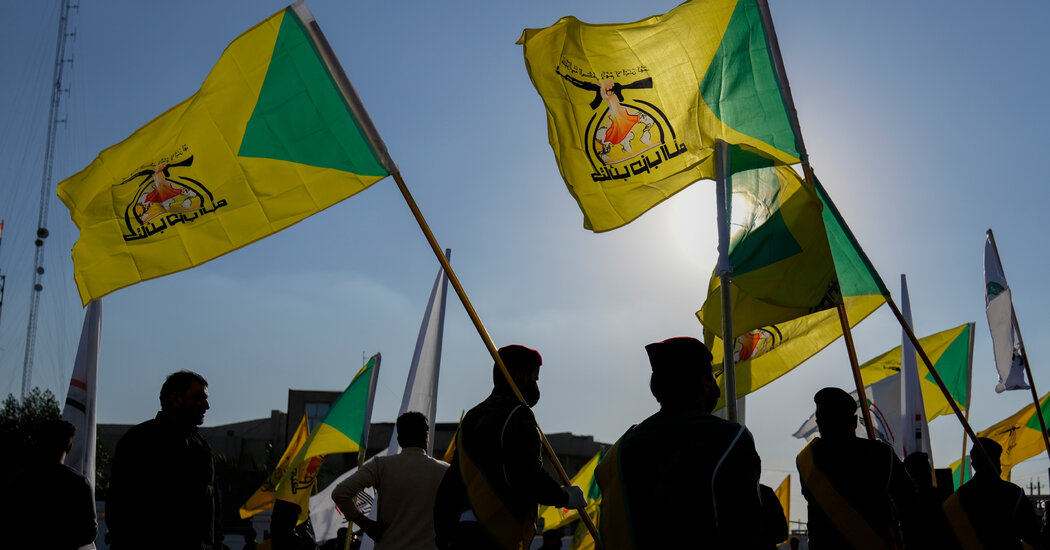
Escalating Concerns: Iran May Deploy Proxies for Attacks Beyond the Middle East
- What Happened: US authorities charged an individual named Muhammad Al-Saadi with coordinating with Iranian proxy groups to conduct operations beyond regional scope. These allegations sparked widespread concern in Washington that Tehran may expand its operational reach far beyond the Middle East.
- Context: These developments emerged during a fragile ceasefire between the US and Iran, with negotiations stalled amid sharp disagreements between both sides.
- Why It Matters: Expansion of Iranian proxy operations raises the threat level to Western and Arab interests outside the region and could complicate any potential diplomatic path forward.
Trump and Xi Agree: Strait of Hormuz Must Remain Open
- What Happened: The White House announced that US President Donald Trump and Chinese President Xi Jinping agreed during their May 14 summit to keep the Strait of Hormuz open for free energy flow.
- Context: About 20% of global oil supplies transit through the Strait of Hormuz, and the US-Iran conflict has caused sharp disruptions in tanker traffic and steep oil price spikes.
- Why It Matters: Alignment between US and Chinese positions on this critical point creates shared international pressure on Iran and could strengthen the ceasefire track.

US Energy Information Agency (EIA) Revises Expectations: Damage Worse Than Expected
- What Happened: The US Energy Information Agency (EIA) revised its outlook on May 12, acknowledging that disruptions to oil supplies stemming from the Iran conflict are more severe and longer-lasting than previously assumed. The agency indicated the Strait of Hormuz will remain closed at least through end-May.
- Context: The agency had previously issued relatively optimistic forecasts about how quickly supplies would return to normal, and this revision reflects a harsher reality.
- Why It Matters: This admission intensifies global inflation pressures and disrupts supply chains for Gulf nations and energy-importing countries.
UAE and the Shadow War with Iran: New Regional Risks
- What Happened: The Guardian revealed on May 12 that the United Arab Emirates conducted a covert operation against Iran during the conflict, while the UAE denied Israeli allegations that Prime Minister Netanyahu made a secret visit to Abu Dhabi.
- Context: Israel-UAE ties have grown notably under the Abraham Accords framework, yet remain sensitive given the ongoing conflict.
- Why It Matters: If the current fragile US-Iran ceasefire collapses, the UAE could find itself in the crosshairs of direct Iranian retaliation, threatening Gulf economic stability.

Aramco Warns: Oil Market Recovery Could Stretch to 2027
- What Happened: Saudi Aramco CEO Amin Al-Nasser warned on May 11 that oil export disruptions through the Strait of Hormuz could delay market normalization until 2027.
- Context: Aramco is among the most informed voices on global oil markets, and statements from its executives directly influence crude prices worldwide.
- Why It Matters: This warning signals continued cost pressures on oil-importing nations in the Arab region and eroding Gulf budget revenues if production capacity remains constrained.
Middle East and Arab Region
Ceasefire at Day 75: US-Iran Talks Stalled, War Costs Exceed $29 Billion
US-Iran negotiations continue in an extremely delicate phase, with war costs exceeding $29 billion according to CNN's latest assessment on May 13—four billion dollars higher than Pentagon figures provided to Congress two weeks earlier. Core disagreements between Washington and Tehran center on terms of any potential agreement to end the conflict, while Trump openly seeks a deal.
Israeli PM and the Alleged Secret UAE Visit
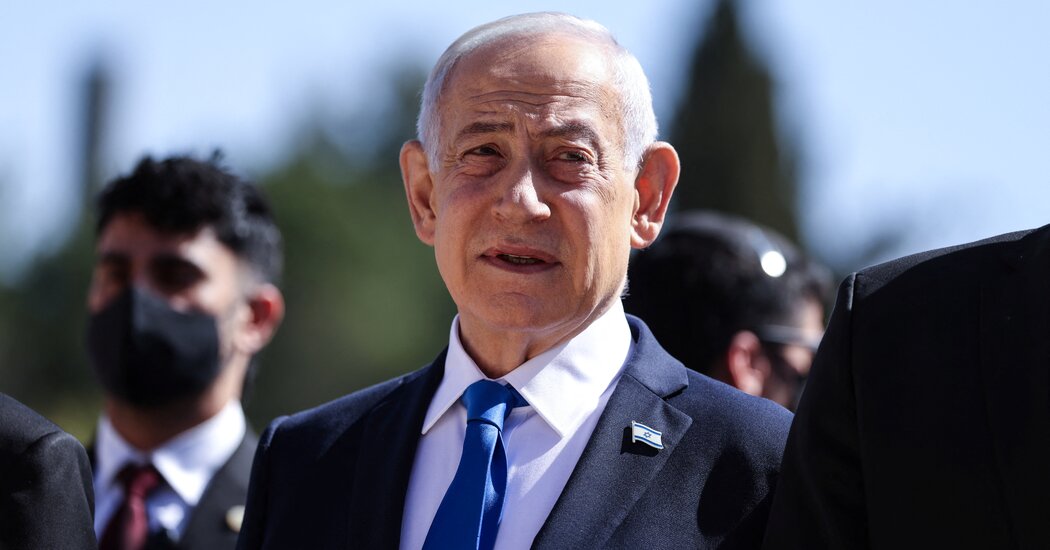
The United Arab Emirates denied Israeli claims that Prime Minister Benjamin Netanyahu made a secret visit to its territory during the conflict. A May 13 New York Times report noted this exchange reflects both the depth of ties grown between the nations since the Abraham Accords and their fragility amid current regional circumstances.
Iran Rebuilds Military Capability During Ceasefire
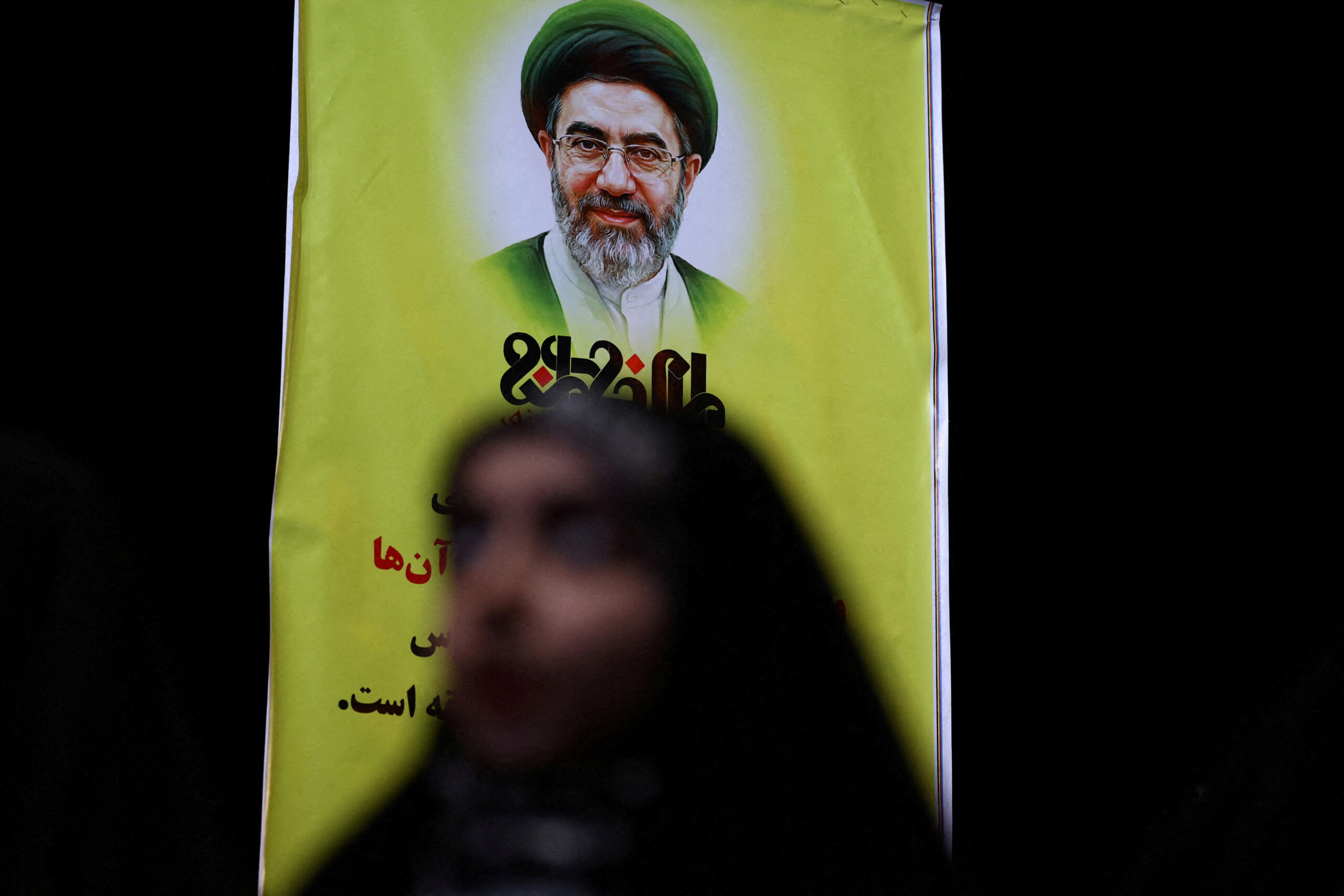
According to the Institute for the Study of War (ISW) report from May 13, Iran continues rebuilding its military capabilities under cover of the current ceasefire in ways "consistent with any military system" during a cease-fire period. The institute sees this not necessarily signaling escalation intent, but rather strengthening Tehran's negotiating position and reducing pressure to accept quick terms.
Economics and Business
How China and the US Contained the Middle East Oil Shock
A May 15 CNBC report indicated that the world's two largest economies—the United States and China—are using their market weight to fill the gap created by Iranian supply disruptions, helping prevent sharp price spikes. Record US crude exports combined with Chinese demand adjustments are absorbing some of the fallout.

Oil Rises as Peace Hopes Fade
Oil prices ended Tuesday, May 12, higher for the third consecutive session according to Reuters, as fundamental disagreements between Washington and Tehran sparked concerns about sustained supply disruptions in the medium term. Crude remained elevated amid ongoing fighting near the Strait of Hormuz, highlighted in Reuters reporting on May 7 as well.
Gulf Economies Face Long-Term Blow from Iran Conflict
A BBC report from last week warned that Arab Gulf economies may need years or even decades to absorb damage from the Iranian conflict. Analysts say the impact extends beyond oil to tourism, foreign investment, and expatriate labor.
Technology and Digitalization
No recent technology data (after May 10, 2026) is available in current search results regarding AI initiatives or digitalization in the Arab region. This section will be covered comprehensively once verified sources become available.
Around the World
Taiwan Affirms Independence After Trump Warning
Taiwan explicitly stated on May 16 it is an "independent state," coming hours after US President Trump directed warnings toward the island. This tension unfolds amid diplomatic momentum between America and China, evidenced by the recent Trump-Xi summit.
Wittkoff and Kushner Heading to Moscow Soon
The Kremlin announced on May 10 that US envoy Steve Wittkoff and adviser Jared Kushner will visit Moscow "soon" to continue dialogue on resolving the Ukraine crisis. This represents a parallel diplomatic track as Washington grapples with the Middle East file.
How Iran's War Will Forever Change the Middle East
The Atlantic Council published a May 15 in-depth analysis identifying five strategic shifts that will reshape the region: weakening of the Iranian system, sustained US presence, diminished Israeli regional standing, and far-reaching consequences for power balances.
Reading Between the Lines
A striking pattern emerges from this week's stories: the fragile ceasefire has become a pressure tool for everyone, not a genuine peace instrument. While Iran rebuilds military capacity under the ceasefire umbrella—documented by ISW—oil prices keep rising absent real diplomatic progress. While the world's two largest economies agree on keeping Hormuz open, Aramco's CEO warns recovery won't happen before 2027.
The bigger picture says this: major powers are managing the game, not ending it. Washington pushes toward a deal but faces a more elusive Tehran. Beijing manages the crisis from a safe distance. Abu Dhabi found itself in a storm bigger than intended when the Guardian revealed its covert operation. These threads point one direction: no quick settlement is coming, and the region faces an extended "neither war nor peace" phase.
Track These Issues
-
US-Iran Ceasefire Negotiations
- Current Status: Stalled talks with "fundamental" disagreements per US sources.
- Watch For: Will talks between US diplomatic heads in Doha (following Rubio's meeting with Qatar's PM) bring new Iranian signals?
- Expected Timeline: End of May 2026, when EIA's assumed Strait closure window expires.
-
Strait of Hormuz and Global Oil Markets
- Current Status: Strait effectively closed through end-May per EIA estimates; crude prices elevated.
- Watch For: Any Iranian announcement of partial or full strait reopening and immediate Brent impact.
- Expected Timeline: Late May–early June 2026.
-
Strategic Shifts in UAE's Position
- Current Status: Reports of deepening UAE-Israel coordination mount, with official UAE denial of alleged secret visit.
- Watch For: Any Iranian response to published allegations of covert UAE operations; spillover to Gulf-Tehran relations.
- Expected Timeline: Ongoing, with escalation likely if fighting resumes.
What You Should Do
- If You're an Investor: Review your exposure to shipping and petrochemical stocks given Aramco's recovery warning through 2027; maintain above-average liquidity until ceasefire terms clarify.
- If You Travel or Work in the Region: Monitor embassy alerts on threat levels in Gulf states, especially given reports of potential UAE targeting if conflict resumes.
- On Commodity and Fuel Prices: Expect continued inflation pressures on fuel prices and derivatives in Arab energy-importing markets through at least early summer; budget accordingly.
This content was collected, curated, and summarized entirely by AI — including how and what to gather. It may contain inaccuracies. Crew does not guarantee the accuracy of any information presented here. Always verify facts on your own before acting on them. Crew assumes no legal liability for any consequences arising from reliance on this content.
Powered by
