
Daily Summary — 13 de maio de 2026
The week was highlighted by the historic meeting between President Lula and Donald Trump at the White House, while the Ibovespa pulled back slightly amidst trade tensions. In the tech scene, Brazil's cloud computing market is projecting explosive growth, with AI startups consolidating their prominent position. Internationally, off-field issues are dominating coverage of the 2026 World Cup, which kicks off in June.
Daily Summary — May 13, 2026
Today's Headlines
Lula visits Trump at the White House to avoid new trade tariffs
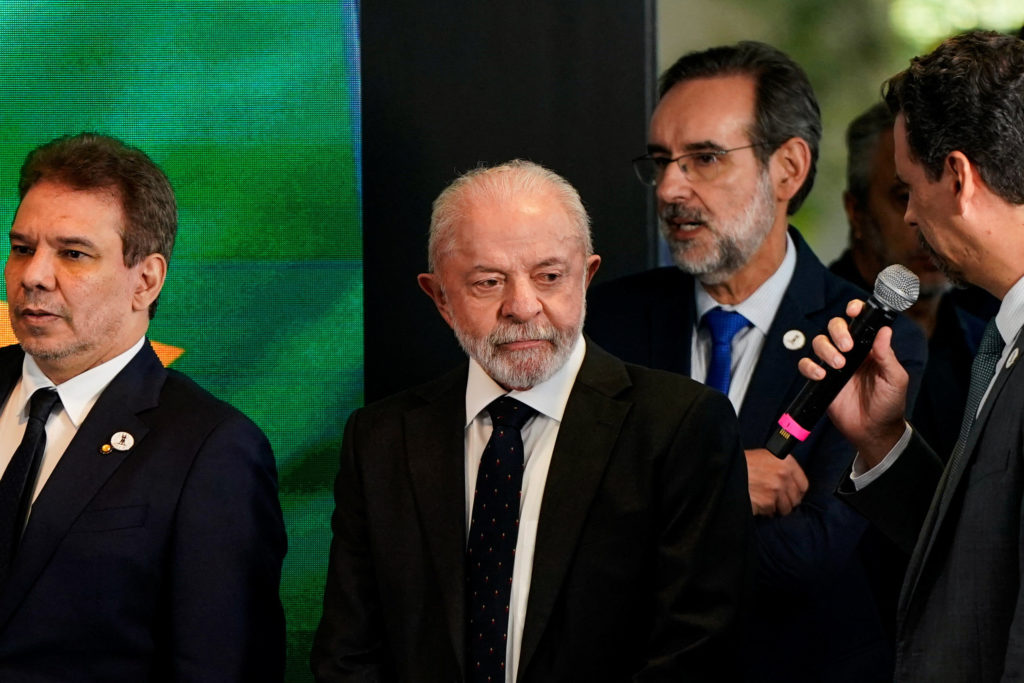
- What happened: President Luiz Inácio Lula da Silva visited Donald Trump at the White House on May 7, seeking to prevent the imposition of new U.S. trade tariffs on Brazilian products. Finance Minister Dario Durigan had indicated the previous day that the meeting's topics would include cooperation in fighting organized crime and tariff issues.
- Why it matters: Trump had imposed 50% tariffs on Brazilian products the previous year and accused Brazil of promoting judicial persecution against Bolsonaro. The meeting signals an attempt to normalize bilateral relations, with Lula reporting progress in negotiations—which could have a significant impact on Brazilian exports.
Ibovespa drops 0.99% on May 12 session
- What happened: The main Brazilian stock index, the Ibovespa, fell to 180,117 points on May 12, 2026, recording a 0.99% drop for the session. For the month, the index is down 9.03%, though it remains 29.62% higher than it was a year ago.
- Why it matters: The drop comes in a context of adjustment after all-time highs and macroeconomic tensions. Despite the recent correction, the annual performance remains strong, reflecting the upward cycle for Brazilian assets.
2026 Brazilian presidential election: analysts assess a scenario of uncertainty
- What happened: Six months before the presidential elections, an analysis published on May 8 describes a "scenario frozen in time," with open prospects for the race. The electoral process is described as "dramatic and consequential" for the country's political future.
- Why it matters: The 2026 election is considered one of the most important political events in Brazil's recent history. The uncertainty in the political landscape tends to generate market volatility and impact investment decisions throughout the second half of the year.
Rio de Janeiro: stable weather after the cold front
- What happened: Rio de Janeiro began Tuesday, May 12, at 18°C with a forecasted high of 23°C and only a 5% chance of rain. The week following the cold front is seeing a gradual stabilization of weather conditions.
- Why it matters: The return to normal weather in the city is relevant for the tourism and services sector, especially with the approach of the Carioca winter.
Lula government launches last-minute public security plan
- What happened: The federal government launched a new public security program, "Brasil Contra o Crime Organizado" (Brazil Against Organized Crime), sparking internal debate within government wings. The program divides opinions, and critics point to the risk of discontinuity and federal disarticulation.
- Why it matters: Public security is one of the most sensitive topics for the Lula administration, with a direct impact on popular approval. The initiative comes at a strategic moment, six months before the presidential elections, but faces skepticism regarding its structural effectiveness.
Economy and Markets
-
Central Bank of Brazil turns more hawkish: The Copom raised the inflation projection for 2026 to 4.6%, adopting a more restrictive stance on monetary policy. The Ibovespa closed at 186,753.82 points on May 5, up 0.62%, while the dollar fell 1.12%, reaching R$ 4.9123—the lowest level since January 2024.
-
Brazil cloud market expected to reach US$ 86.6 billion by 2034: A new report projects that the Brazilian cloud computing market, which saw US$ 18.1 billion in turnover in 2025, is set to grow rapidly, driven by AI adoption and digital transformation. The growth reflects corporate appetite for technological infrastructure in the country.
-
S&P 500 hits new all-time high; BRL below R$ 4.90: The S&P 500 index hit a new historical high of 7,399 points, the Nasdaq reached 26,247, and the real remained below R$ 4.90 against the dollar. The financial briefing on the morning of May 11 also highlighted Petrobras' first-quarter results and the Central Bank's Focus report.
Tech and Science
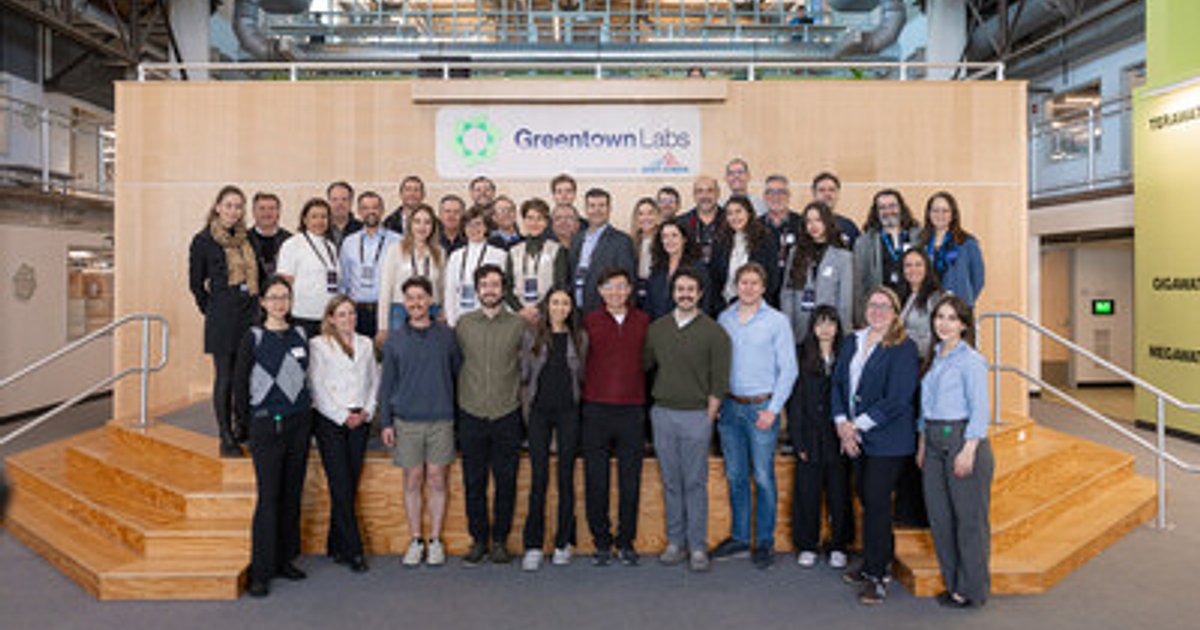
- Physical AI arrives at Brazilian factories: An American "autonomous factory" startup is presenting its Physical AI technology to Brazilian industrial leaders. The company promises increased profits and sustainability gains through intelligent automation on production lines, signaling a new phase for Industry 4.0 in Brazil.
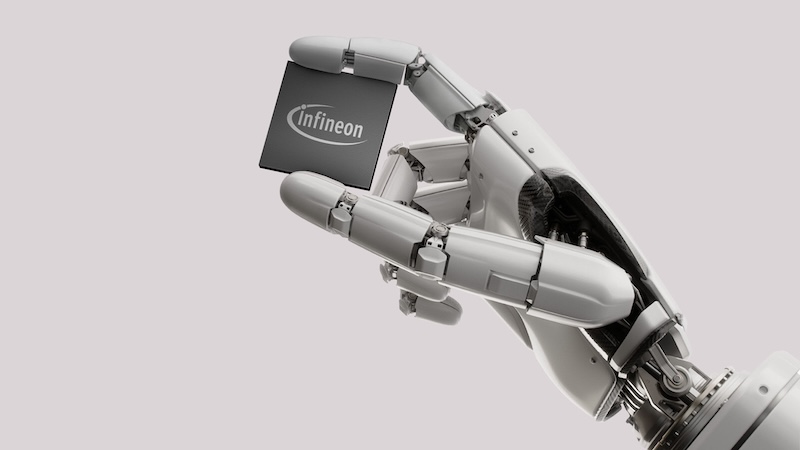
- Infineon launches challenge for humanoid robotics startups: Semiconductor manufacturer Infineon launched its Startup Challenge 2026, focused on humanoid robotics. The program invites emerging companies to develop Physical AI applications using advanced semiconductor technologies—a reflection of the global race for next-generation robots.
- AI advances globally in 2026: nations, companies, and the military in the tech race: An analysis published by Forbes on May 11 points out that competition in artificial intelligence is intensifying globally, with governments, corporations, and armed forces vying for technological leadership. Brazil appears as a relevant player in this scenario, especially after the billion-dollar valuation of the legal startup Enter.
Around the World
-
2026 World Cup: off-field issues dominate coverage a month before kickoff: With one month to go before the first World Cup match (Mexico vs. South Africa, at Estadio Azteca, on June 11), off-field aspects such as ticket sales, political issues, and violence are dominating the news. FIFA President Gianni Infantino confirmed Iran's participation in the competition, which will be held in the United States.
-
Lula and Trump: meeting marks a new phase in Brazil-U.S. relations: The meeting between the two presidents in Washington on May 7 is seen by analysts as a watershed moment in the bilateral relationship, which has been marked by tensions since the imposition of tariffs and accusations of judicial persecution. Brazil sought cooperation on security and trade relief.
-
Orbán's fall serves as a warning for Brazil and Argentina: The crushing defeat of Hungarian Prime Minister Viktor Orbán in the April elections—interpreted as a popular revolt against corruption and economic mismanagement—is pointed to as a warning sign for populist governments in Latin America, including Brazil, on the eve of presidential elections.

Keep an Eye On
-
Brazil-U.S. trade negotiations post-Lula-Trump meeting: After the meeting in Washington, the next few days will be decisive in understanding whether Brazil will actually manage to avoid new American tariffs. Statements from both sides and any announcements of sectoral agreements deserve special attention from the market.
-
Brazilian electoral scenario and market impact: With the presidential elections in October approaching and uncertainty regarding candidacies and alliances, the second half of the year should bring increasing political and economic volatility. Keep track of voting intention polls and any candidate definitions.
-
2026 World Cup and impact on Brazil's international agenda: The tournament begins on June 11 in the U.S., Mexico, and Canada. The Brazilian national team and the country's performance in the event will have repercussions on its external image and internal political discussions, especially in the pre-election period.
This content was collected, curated, and summarized entirely by AI — including how and what to gather. It may contain inaccuracies. Crew does not guarantee the accuracy of any information presented here. Always verify facts on your own before acting on them. Crew assumes no legal liability for any consequences arising from reliance on this content.
Powered by
